The Click Report

Audio Brief

Listen to the latest top stories and editorial summary.

Business

Business

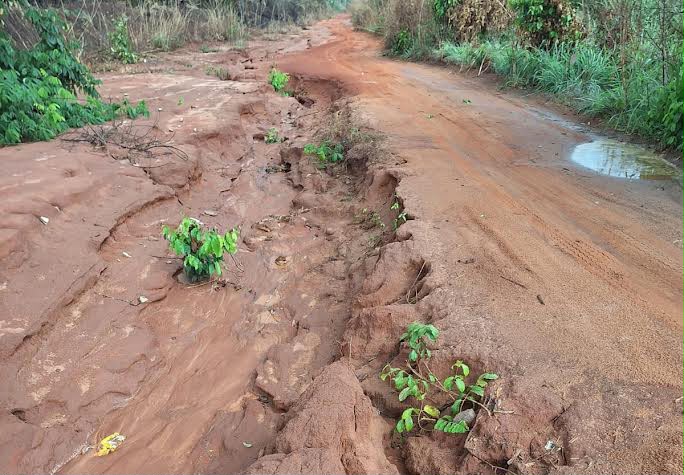
Delta Gridlock: Businesses, commuters stranded as S’South slows down

A five-day gridlock caused by deteriorating roads across the South-South has disrupted transportation, businesses and economic activities in the region, with the Benin-Sapele-Effurun Road among the worst affected. Manufacturers said they had lost more than N500 billion due to factory shutdowns, trapped raw materials and damaged goods. Traders and distributors have also reported losses as perishable products remained stuck on the roads. The gridlock has spread across Benin City and other parts of Edo State, while motorists using the Benin-Auchi and Benin-Agbor-Onitsha roads have also faced severe delays. Some travellers who previously spent six to 10 hours between the South-East and South-West now reportedly spend up to 24 hours on the road. Two major interstate transport companies have suspended services along the Lagos-Warri route after buses remained stranded for days. GUO had reportedly raised its Lagos-Warri fare to N55,000 before suspending operations. The Federal Government has announced plans to intervene, with the Minister of Works, Dave Umahi, expected to visit the affected corridor and oversee palliative works. Meanwhile, former presidential candidate Peter Obi criticised the focus on new road projects, arguing that the government should prioritise the reconstruction and maintenance of existing highways. The Centre for the Promotion of Private Enterprise also warned that the crisis was threatening investment, food security, production and supply chains, as trucks carrying essential goods, including fuel and agricultural products, remained trapped. Manufacturers and business leaders urged the government to urgently restore the affected roads, warning that prolonged inaction could worsen fuel shortages, food losses and business closures.

Business

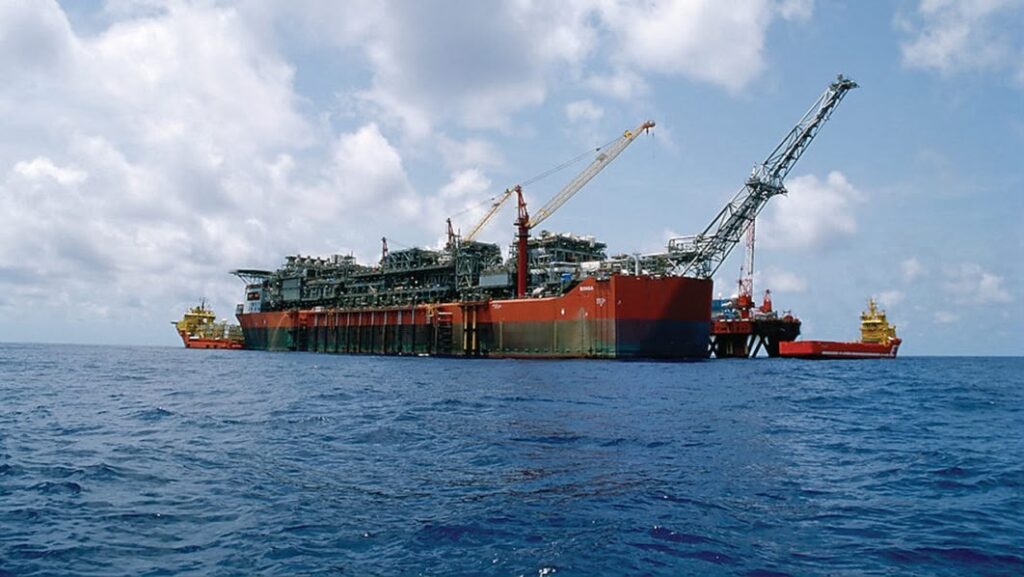
Shell’s Bonga Project Gets NUPRC Backing as HEDA Demands Remediation

The Nigerian Upstream Petroleum Regulatory Commission (NUPRC) has reaffirmed its support for Shell Nigeria’s operations as the Federal Government seeks to unlock about $50 billion in deep offshore investments, with the estimated $10 billion Bonga South West project expected to play a major role. The NUPRC Chief Executive, Oritsemeyiwa Eyesan, gave the assurance during a meeting with Shell Nigeria’s newly appointed Executive Vice President and Country Chair, Elohor Aiboni, at the commission’s headquarters in Abuja. The discussions focused on Shell’s ongoing projects and efforts by the Federal Government to attract fresh investment into Nigeria’s deep offshore oil sector. Eyesan said the commission remained committed to supporting industry operators as Nigeria targets crude oil production of three million barrels per day by 2030. Aiboni assumed her new position on August 1, 2026, becoming the first woman to hold the combined role of Executive Vice President and Country Chair of Shell Nigeria. She succeeded Marno de Jong, who retired after more than six years leading the company’s Nigerian operations. Aiboni has spent over 24 years with Shell, working across its Nigerian onshore and offshore businesses as well as international assignments in Kazakhstan and Brunei. She previously became the first female Managing Director of Shell Nigeria Exploration and Production Company Limited in 2021. Meanwhile, the Human and Environmental Development Agenda (HEDA Resource Centre) has urged NUPRC to publicly disclose how it plans to address outstanding environmental and decommissioning liabilities linked to a proposed transaction involving TotalEnergies EP Nigeria Limited. HEDA called on the commission to carefully assess the environmental and financial implications before approving TotalEnergies’ proposed sale of its 10 per cent non-operated stake in oil licences operated by the Renaissance Africa Energy Joint Venture. The organisation said the review was necessary because of longstanding environmental pollution associated with assets previously operated by the Shell Petroleum Development Company joint venture. It urged authorities to ensure that responsibility for remediation was not transferred to an entity without the capacity to meet the obligations.

Business, Economy

FAAC Allocations Alone Cannot Guarantee State Prosperity — Oyedele

Minister of Finance and Coordinating Minister of the Economy, Taiwo Oyedele, has said federal allocations alone could not guarantee prosperity for states, urging them to develop sustainable sources of revenue and strengthen their productive capacity. Oyedele said Nigeria recorded about N15.8 trillion in savings from fuel subsidy removal and foreign exchange reforms between June 2023 and December 2025. However, he explained that the money was shared among the Federal, state and local governments and was not a huge pool of cash retained by the Federal Government. He said the reforms had increased monthly Federation Account allocations from between N300 billion and N600 billion before 2023 to more than N2 trillion. The minister urged states to diversify their economies, improve internally generated revenue and focus on production, investment and job creation rather than depending heavily on federal allocations. He also explained that the Federal Government continued to borrow because its revenues remained insufficient to meet its growing obligations, including wages, debt servicing, infrastructure and electricity subsidies.

Business

How 24 Firms Dominate Over 70% of Nigeria’s Stock Market

Twenty-four companies listed on the Nigerian Exchange Limited (NGX) now account for 74.8 per cent of the total market capitalisation of Nigeria’s equities market, highlighting the dominance of a relatively small group of firms. As of August 17, 2026, the companies had a combined market capitalisation of N117.01 trillion, out of the NGX’s total market value of N156.52 trillion. The overall market capitalisation has increased by N57.14 trillion, or 57.5 per cent, from N99.38 trillion recorded at the end of 2025. The sharp rise has been driven largely by strong performances from several large-cap stocks. However, analysts warned that the concentration of market value in a few companies means their share-price movements could have a major influence on the wider market. Dangote Cement overtakes MTN Dangote Cement emerged as the most capitalised company on the NGX, overtaking MTN Nigeria. The 24 leading companies comprise nine banks, six consumer goods firms, three industrial goods companies, three energy companies, one consumer services company and one telecommunications company. The companies include Dangote Cement, MTN Nigeria, BUA Foods, BUA Cement, Aradel Holdings, First Holdco, HBM Nigeria, Zenith Bank, GTCO, Stanbic IBTC Holdings, Transcorp Hotels, Presco, Nestlé Nigeria, Nigerian Breweries, Geregu Power, UBA, International Breweries, Transcorp Power, Access Holdings, Fidelity Bank, Okomu Oil Palm, Ecobank Transnational Incorporated and Wema Bank. Banks maintain strong presence The banking sector accounted for a significant portion of the highly valued stocks. First Holdco led the banks with a market capitalisation of N6.37 trillion, followed by Zenith Bank at N5.04 trillion and GTCO at N4.70 trillion. Stanbic IBTC Holdings had N2.56 trillion, UBA N1.99 trillion, Access Holdings N1.45 trillion and Fidelity Bank N1.38 trillion. Ecobank Transnational Incorporated and Wema Bank recorded N1.27 trillion and N1.16 trillion respectively. Analysts attributed the strong performance of banking stocks partly to the sector’s recapitalisation exercise and improved investor sentiment. BUA Foods leads consumer goods BUA Foods was the most capitalised company in the consumer goods sector, with a market value of N13.69 trillion. Presco followed with N2.40 trillion, while Nestlé Nigeria stood at N2.22 trillion. Nigerian Breweries and International Breweries recorded N2.10 trillion and N1.79 trillion respectively. Despite improved investor expectations, the sector continues to face challenges from high production costs, inflation and weak consumer purchasing power. Dangote Cement leads industrial stocks Dangote Cement dominated the industrial goods sector with a market capitalisation of N17.15 trillion. BUA Cement followed with N13.69 trillion, while HBM Nigeria recorded N5.38 trillion. The figures further showed the significant role of large-cap industrial stocks in driving the overall growth of the Nigerian equities market. Energy sector records strong valuations Seplat Energy and Aradel Holdings led the energy sector, each recording a market capitalisation of N6.72 trillion. Geregu Power followed with N2.06 trillion, while Transcorp Power recorded N1.65 trillion. Analysts divided over investment prospects Analysts maintained mixed views on the investment prospects of stocks listed on the NGX. Of 32 stocks assessed, 17 received Buy or Strong Buy ratings, while 12 were rated Sell or Strong Sell. Three stocks received Neutral ratings. Analysts advised investors to consider factors such as earnings growth, company valuations, debt levels, cash flow, dividend prospects and return on equity rather than relying solely on recent share-price gains. Huge gains recorded by some stocks Several companies recorded extraordinary year-to-date gains. Zichis Agro Allied Industries topped the gainers, rising 1,744.22 per cent to N18.35 per share. SCOA Nigeria gained 365.49 per cent to N33.05, while Infinity Trust Mortgage Bank rose 221.43 per cent to N11.25. Berger Paints Nigeria increased by 207.50 per cent to N147.60, while Premier Paints gained 204 per cent to N30.40. First Holdco rose 198.51 per cent to N140, Vitafoam Nigeria gained 153.04 per cent to N194, while HBM Nigeria appreciated by 149.25 per cent to N334. Some investors record heavy losses Despite the broad market rally, several stocks recorded significant declines. Sovereign Trust Insurance was the biggest loser, falling 50.39 per cent to N1.89 per share. Ellah Lakes declined 41.52 per cent to N8.10, while Guinea Insurance dropped 43.37 per cent to N0.76. SUNU Assurances fell 39.64 per cent to N3.32, while Austin Laz declined 39.06 per cent to N2.84. Other major losers included Royal Exchange, Triple Gee & Company, Champion Breweries, Universal Insurance and Transcorp Power. Asset size tells a different story The ranking changed when companies were assessed according to total assets rather than market capitalisation. Ecobank Transnational Incorporated had the largest total assets in Q2 2026 at N49.15 trillion, followed by First Holdco with N30.65 trillion. Aradel Holdings ranked third with N10.88 trillion, while FCMB had N8.36 trillion and Oando N7.89 trillion. Dangote Cement recorded N6.62 trillion in assets, MTN Nigeria N5.97 trillion, Sterling Holdings N4.67 trillion, BUA Cement N1.92 trillion and BUA Foods N1.67 trillion. Analysts, however, stressed that a large asset base does not automatically translate into profitability or strong returns for shareholders, particularly when assets are heavily financed by liabilities. Negative equity raises concerns The Q2 2026 figures also highlighted differences in the financial strength of listed companies. While several firms recorded positive shareholders’ equity, Aradel Holdings had negative equity of N2.16 trillion despite total assets of N10.88 trillion. Oando also recorded negative equity of N530.45 billion against assets of N7.89 trillion. Analysts said investors should examine companies with negative equity carefully, particularly their cash flows, debt levels and plans for recapitalisation or restructuring. Market analyst David Adonri, Chief Executive Officer of Highcap Securities Limited, said the concentration of more than 70 per cent of market capitalisation among just 24 companies showed that the market’s headline performance was being driven largely by a small number of major stocks. He advised investors to look beyond the All-Share Index and assess individual companies based on their earnings and valuations. Another analyst noted that the difference between the Buy and Sell recommendations demonstrated that the market rally had created both investment opportunities and valuation risks.
Energy

High crude prices push modular refineries away from local supply

Modular refineries in Nigeria reportedly did not lift crude oil allocated to domestic refiners in the second quarter of 2026, citing high costs and what the Crude Oil Refinery Owners Association of Nigeria described as unrealistic commercial terms. Data from the Nigerian Upstream Petroleum Regulatory Commission showed that 68.1 million barrels were offered to the Dangote Petroleum Refinery, representing 98 per cent of the crude volumes offered to domestic refiners during the period. Dangote accepted 52.6 million barrels, while no other refinery was identified as having received crude during the quarter. CORAN spokesperson Eche Idoko said international pricing benchmarks such as Platts, Brent and West Texas Intermediate had made crude too expensive for modular refineries. He also said the pricing system resulted in duplicated logistics costs for smaller refiners. According to Idoko, modular refineries often buy crude directly from producing assets and are responsible for transporting it from the production point to their facilities. He argued that international benchmark prices already include certain freight and insurance costs, meaning refiners could effectively pay for logistics twice. The NUPRC’s second-quarter report showed that 53.7 million barrels of crude oil and condensate were supplied to local refiners between April and June, representing 97.4 per cent performance under the Domestic Crude Supply Obligation. However, the regulator noted that the arrangement operates on a willing-buyer, willing-seller basis, meaning allocated volumes may not necessarily be lifted. Idoko called for a domestic crude pricing system that reflects the actual delivery point and removes freight, insurance, transportation and other costs not incurred by producers. He said this would prevent refiners from being charged twice for logistics while ensuring producers receive a fair price. Meanwhile, the NUPRC said it remained committed to enforcing the Domestic Crude Supply Obligation and sustaining recent improvements in domestic crude production as part of efforts to achieve energy sufficiency.

Banking

Despite Huge Profits, Only Six Banks Pay N1.27tn Dividends

Only six of Nigeria’s major listed banks paid a combined N1.27 trillion in dividends to shareholders for the 2025 financial year, while five other profitable banks were unable to make payouts after failing to meet the Central Bank of Nigeria’s prudential requirements. The banks that paid dividends were GTCO, Zenith Bank, Stanbic IBTC, Ecobank Transnational Incorporated, Wema Bank and FCMB. GTCO and Zenith accounted for 81.9 per cent of the total dividend payments. The report attributed the difference in dividend payments to factors including capital strength, regulatory compliance, rising non-performing loans and the need for some banks to retain capital to strengthen their balance sheets. According to analysts, the CBN’s restrictions were aimed at ensuring banks maintained adequate capital and protected depositors. Some affected banks also faced increased provisions for doubtful loans and foreign debt obligations, limiting their ability to distribute profits to shareholders. Despite the restrictions, experts said the outlook for the banking sector remained positive, with dividend payments expected to become more stable as banks strengthen their capital positions and meet regulatory requirements.

Energy

FG unveils 60.82MW renewable mini-grid projects

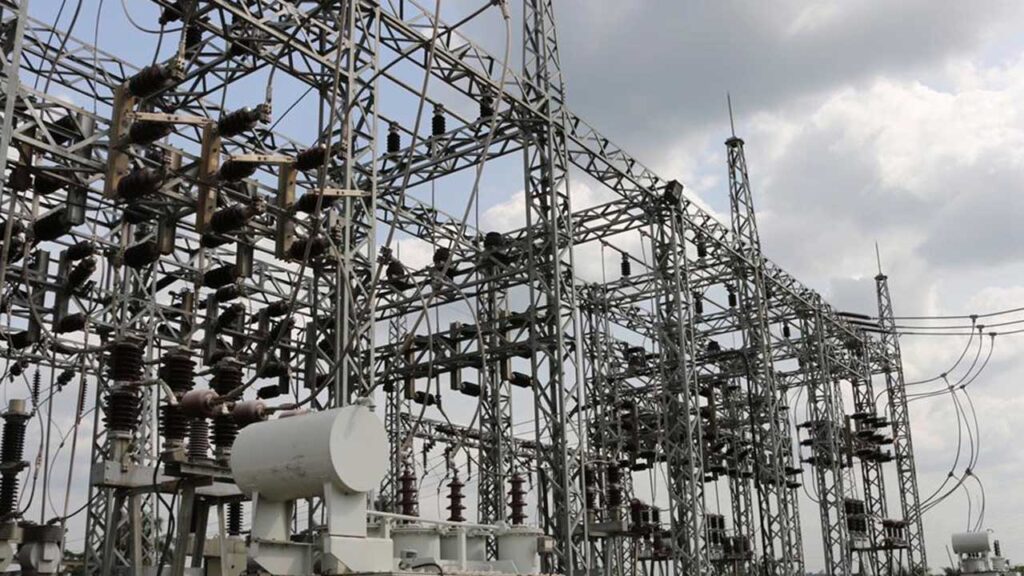
The Federal Government, through the Rural Electrification Agency (REA), is set to boost Nigeria’s electricity supply with the rollout of renewable mini-grid projects expected to generate a combined 60.82 megawatts (MW) across six states. The latest addition is a 13.92-megawatt peak (MWp) interconnected hybrid solar project in Yobe State, officially launched on Wednesday. The project brings the total capacity of recently inaugurated REA renewable energy projects nationwide to 60.82MW. Before the Yobe project, the agency had already begun work on 46.9MW of renewable energy infrastructure across five states. These include a 20MW mini-grid in Egume, Kogi State, 11.9MWp in Ogu-Bolo, Rivers State, 10MW in Kofare, Adamawa State, 3.5MW in Ambursa, Kebbi State, and 1.5MW in Pankshin, Plateau State. According to the REA, the Yobe project supported by the World Bank will feature 40 distribution transformers serving major residential and commercial areas to improve electricity access, stabilize power supply, and support local economic growth. The project consists of: Speaking at the groundbreaking ceremony, Yobe State Governor Mai Mala Buni said the initiative aligns with the state’s goal of strengthening infrastructure to enhance industrial development and agricultural productivity. REA Managing Director Dr. Abba Abubakar Aliyu said the interconnected hybrid mini-grids are designed to integrate with existing distribution networks while expanding electricity access. He noted that the projects would not only deliver power but also create opportunities for businesses, healthcare facilities, farmers, and local economies to thrive. Aliyu also revealed that the agency has 14 additional renewable energy projects planned for Yobe State, following a strategic roundtable held in June 2025. Once completed, the projects will add another 15.3MWp of capacity and provide electricity to about 23,870 new connections, including communities such as Jawur Katamma, Federal Polytechnic Damaturu, and Dibbwol.

Banking

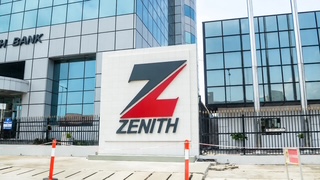
Zenith Bank Database Hit by Hackers

Zenith Bank has confirmed that it experienced a cybersecurity breach that resulted in unauthorised access to limited customer information, including email addresses and phone numbers. The bank disclosed the incident in a notification sent to customers on Tuesday, explaining that the attack formed part of a wider global cyber campaign targeting organisations across various sectors. According to the bank, the compromised data was limited to basic customer contact information and did not include sensitive banking credentials or financial records. Zenith Bank assured customers that its banking services and digital platforms remain secure and fully operational despite the incident. The financial institution said it immediately activated its cybersecurity response procedures upon detecting the breach and has launched a full investigation to determine the circumstances surrounding the attack. As investigations continue, the bank urged customers to remain vigilant against phishing attempts, warning them not to disclose passwords, Personal Identification Numbers (PINs), One-Time Passwords (OTPs) or any other security credentials through emails, phone calls or text messages. Zenith Bank reaffirmed its commitment to protecting customer information and expressed appreciation for the continued trust and support of its customers while efforts to investigate the incident continue. The breach follows growing concerns over cyber threats targeting financial institutions. In 2024, Guaranty Trust Bank (GTBank) also reported an attempted cyberattack on its website domain, although it maintained that customer data was not compromised. The development also comes after the Central Bank of Nigeria warned members of the public about the rise in cyber fraud schemes involving fake emails and messages designed to steal personal and financial information by impersonating the apex bank.

Energy

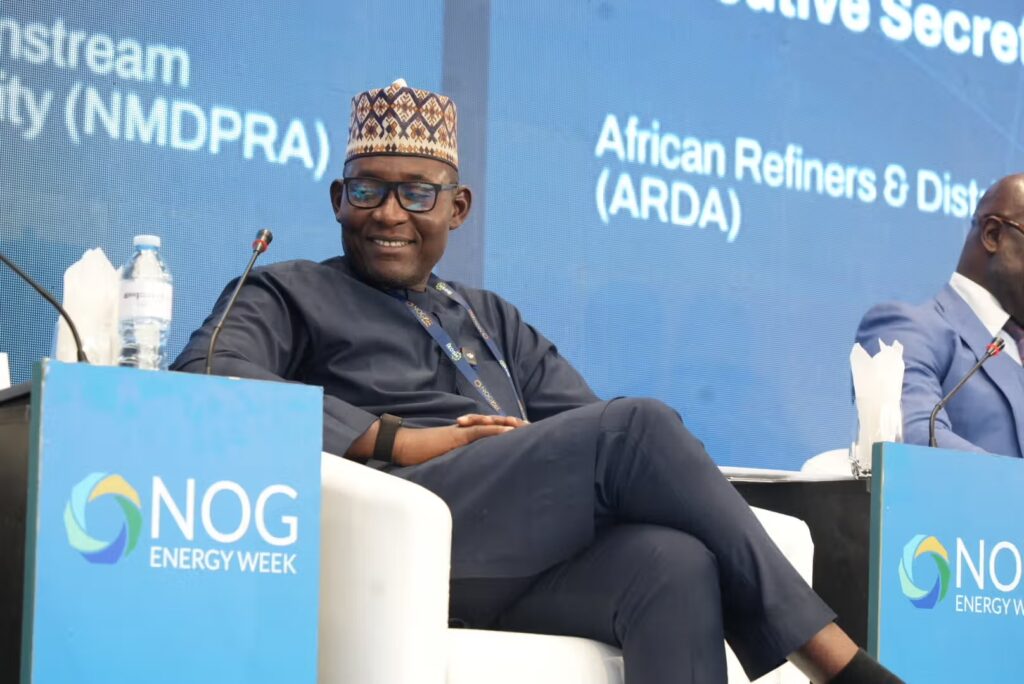
Nigeria Shifts Focus to Refined Petroleum Exports – NMDPRA

The Nigerian Midstream and Downstream Petroleum Regulatory Authority (NMDPRA) says Nigeria is repositioning its petroleum industry to focus on exporting refined petroleum products rather than crude oil as domestic refining capacity continues to grow. Speaking at the 49th Nigeria Annual International Conference and Exhibition (NAICE) organised by the Society of Petroleum Engineers (SPE) Nigeria Council in Lagos, NMDPRA Chief Executive Officer, Rabiu Umar, said ongoing refinery projects and planned expansions are expected to transform Nigeria into a major refining hub for Africa. According to Umar, the country’s refining capacity has reached its highest level and is projected to increase further as new projects come on stream. He expressed confidence that Nigeria could eventually refine all of its targeted crude oil production locally. He explained that processing crude within the country would allow Nigeria to export higher-value refined petroleum products instead of raw crude, creating more economic benefits across the oil and gas value chain. Umar described the development as a significant milestone that would strengthen collaboration between the upstream, midstream and downstream sectors while boosting value addition in the petroleum, gas and petrochemical industries. He also disclosed that the NMDPRA is working closely with the Nigerian Upstream Petroleum Regulatory Commission (NUPRC) to enforce the Domestic Crude Supply Obligation, a policy designed to ensure local refineries receive adequate crude oil supplies. According to him, expanding domestic refining capacity reduces the need to export crude oil and enables the country to maximise revenue by producing and exporting refined products. Umar added that stronger integration across the petroleum industry would enhance Nigeria’s position as a regional refining hub, supported by both conventional and modular refineries. Also speaking at the conference, the Chief Executive Officer of the NUPRC, Oritsemeyiwa Eyesan, stressed the importance of collaboration between regulators and industry stakeholders. She said the commission regularly engages operators through monthly meetings and consultations when developing new regulations, guidelines and policy frameworks. Eyesan noted that the global energy industry is evolving rapidly due to geopolitical developments, climate concerns, technological innovation, artificial intelligence, changing investment patterns and increasing energy demand. She emphasised that sustained partnerships between regulators and industry players remain essential to building a resilient energy sector, attracting investment and supporting long-term growth.

Business

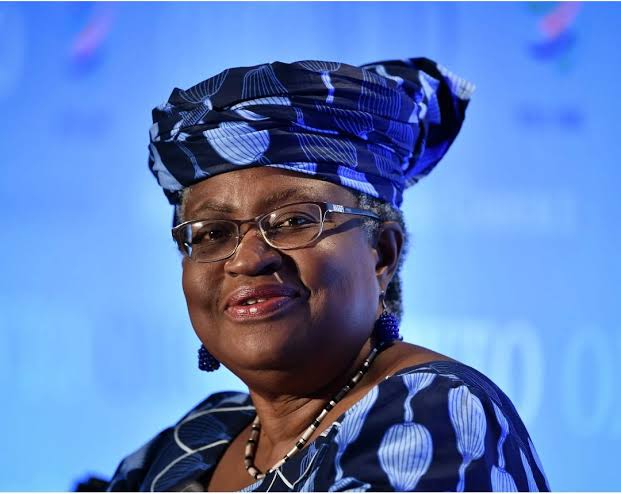
Global Tensions Create Industrialization Opportunity For Nigeria: Okonjo-Iweala

The Director-General of the World Trade Organization (WTO), Ngozi Okonjo-Iweala, has urged Nigeria to take advantage of changing global trade patterns by implementing reforms that will attract investment, boost industrialisation and strengthen its position in global value chains. Speaking during a fireside chat with Central Bank of Nigeria Governor Olayemi Cardoso at the seventh Africa Emerging Markets Forum in Abuja, Okonjo-Iweala said increasing geopolitical tensions and the restructuring of global supply chains present significant opportunities for Nigeria and other African countries. She acknowledged that the global economy is experiencing trade fragmentation and uncertainty but stressed that such challenges also create opportunities for countries willing to improve their competitiveness. According to her, multinational companies are seeking to diversify their manufacturing and sourcing operations following lessons from the COVID-19 pandemic and ongoing geopolitical tensions. She said Africa should position itself as an attractive destination for these investments instead of allowing them to continue flowing mainly to Asia and Latin America. Okonjo-Iweala also highlighted West Africa’s abundant critical mineral resources, noting that the region could build integrated supply chains for renewable energy technologies and electric vehicle batteries through greater regional cooperation. She argued that African countries should work together on processing and manufacturing rather than pursuing isolated national strategies. Despite the opportunities, the WTO chief questioned whether Nigeria is prepared to undertake the governance, infrastructure and regulatory reforms needed to attract long-term investors. She called for the removal of bureaucratic obstacles that discourage businesses and urged policymakers to prioritise efficient leadership and a more investment-friendly environment. On the Federal Government’s economic reforms, Okonjo-Iweala said their success would ultimately depend on whether Nigerians experience tangible improvements in their daily lives. While commending reforms introduced by the Central Bank of Nigeria, she stressed that macroeconomic stability must translate into job creation, business growth and improved living standards to earn public confidence. She also advocated stronger implementation of the African Continental Free Trade Area (AfCFTA), saying increased trade among African countries would reduce dependence on external markets and stimulate regional economic growth. According to her, Africa’s growing middle class and youthful population could become major drivers of development if governments invest in skills development and employment opportunities. Addressing concerns over recent United States tariff measures affecting Nigerian exports, Okonjo-Iweala said the country should focus less on tariff rates and more on expanding and diversifying its export base through value addition and increased production. She further encouraged Nigeria to mobilise domestic capital rather than relying heavily on foreign investment, noting that global financial flows are becoming more constrained. She added that building investor confidence at home is essential, as domestic investment often serves as a signal that attracts international investors. Okonjo-Iweala concluded that Nigeria has the resources and potential to achieve sustained economic growth but emphasised that success will depend on consistent reforms, stronger institutions and policies that encourage investment, industrialisation and regional trade.