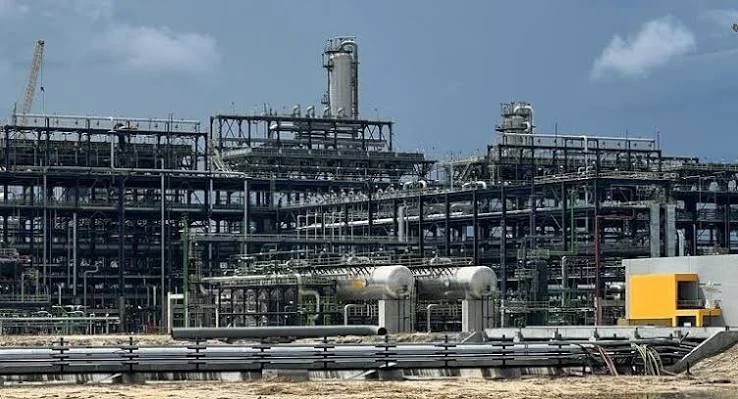
Modular refineries in Nigeria reportedly did not lift crude oil allocated to domestic refiners in the second quarter of 2026, citing high costs and what the Crude Oil Refinery Owners Association of Nigeria described as unrealistic commercial terms.
Data from the Nigerian Upstream Petroleum Regulatory Commission showed that 68.1 million barrels were offered to the Dangote Petroleum Refinery, representing 98 per cent of the crude volumes offered to domestic refiners during the period. Dangote accepted 52.6 million barrels, while no other refinery was identified as having received crude during the quarter.
CORAN spokesperson Eche Idoko said international pricing benchmarks such as Platts, Brent and West Texas Intermediate had made crude too expensive for modular refineries. He also said the pricing system resulted in duplicated logistics costs for smaller refiners.
According to Idoko, modular refineries often buy crude directly from producing assets and are responsible for transporting it from the production point to their facilities. He argued that international benchmark prices already include certain freight and insurance costs, meaning refiners could effectively pay for logistics twice.
The NUPRC’s second-quarter report showed that 53.7 million barrels of crude oil and condensate were supplied to local refiners between April and June, representing 97.4 per cent performance under the Domestic Crude Supply Obligation. However, the regulator noted that the arrangement operates on a willing-buyer, willing-seller basis, meaning allocated volumes may not necessarily be lifted.
Idoko called for a domestic crude pricing system that reflects the actual delivery point and removes freight, insurance, transportation and other costs not incurred by producers. He said this would prevent refiners from being charged twice for logistics while ensuring producers receive a fair price.
Meanwhile, the NUPRC said it remained committed to enforcing the Domestic Crude Supply Obligation and sustaining recent improvements in domestic crude production as part of efforts to achieve energy sufficiency.