The Click Report

Audio Brief

Listen to the latest top stories and editorial summary.

Business

Energy

FG unveils 60.82MW renewable mini-grid projects

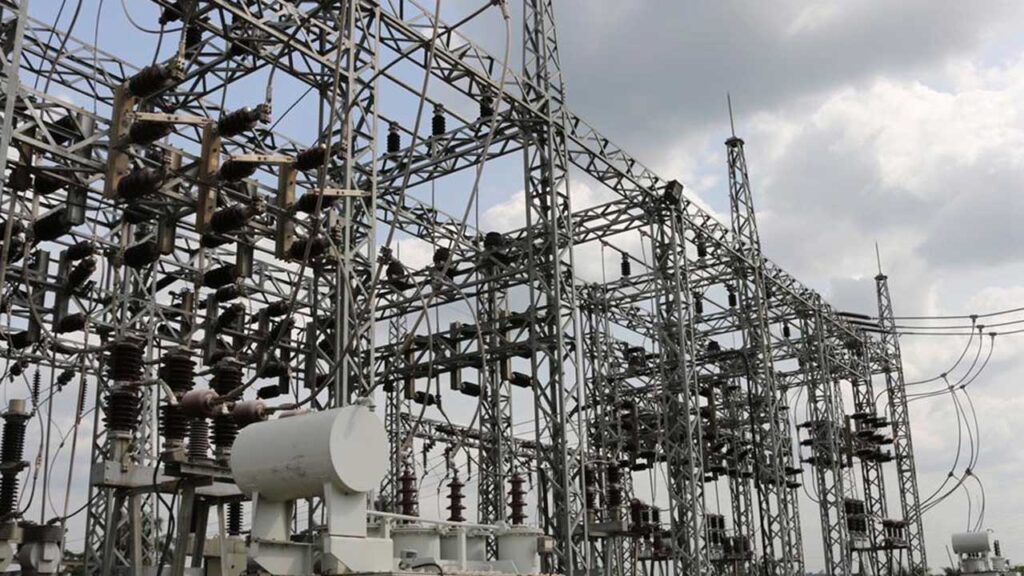
The Federal Government, through the Rural Electrification Agency (REA), is set to boost Nigeria’s electricity supply with the rollout of renewable mini-grid projects expected to generate a combined 60.82 megawatts (MW) across six states. The latest addition is a 13.92-megawatt peak (MWp) interconnected hybrid solar project in Yobe State, officially launched on Wednesday. The project brings the total capacity of recently inaugurated REA renewable energy projects nationwide to 60.82MW. Before the Yobe project, the agency had already begun work on 46.9MW of renewable energy infrastructure across five states. These include a 20MW mini-grid in Egume, Kogi State, 11.9MWp in Ogu-Bolo, Rivers State, 10MW in Kofare, Adamawa State, 3.5MW in Ambursa, Kebbi State, and 1.5MW in Pankshin, Plateau State. According to the REA, the Yobe project supported by the World Bank will feature 40 distribution transformers serving major residential and commercial areas to improve electricity access, stabilize power supply, and support local economic growth. The project consists of: Speaking at the groundbreaking ceremony, Yobe State Governor Mai Mala Buni said the initiative aligns with the state’s goal of strengthening infrastructure to enhance industrial development and agricultural productivity. REA Managing Director Dr. Abba Abubakar Aliyu said the interconnected hybrid mini-grids are designed to integrate with existing distribution networks while expanding electricity access. He noted that the projects would not only deliver power but also create opportunities for businesses, healthcare facilities, farmers, and local economies to thrive. Aliyu also revealed that the agency has 14 additional renewable energy projects planned for Yobe State, following a strategic roundtable held in June 2025. Once completed, the projects will add another 15.3MWp of capacity and provide electricity to about 23,870 new connections, including communities such as Jawur Katamma, Federal Polytechnic Damaturu, and Dibbwol.

Banking

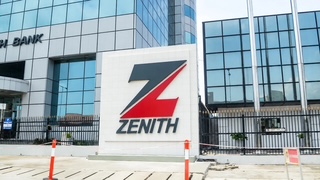
Zenith Bank Database Hit by Hackers

Zenith Bank has confirmed that it experienced a cybersecurity breach that resulted in unauthorised access to limited customer information, including email addresses and phone numbers. The bank disclosed the incident in a notification sent to customers on Tuesday, explaining that the attack formed part of a wider global cyber campaign targeting organisations across various sectors. According to the bank, the compromised data was limited to basic customer contact information and did not include sensitive banking credentials or financial records. Zenith Bank assured customers that its banking services and digital platforms remain secure and fully operational despite the incident. The financial institution said it immediately activated its cybersecurity response procedures upon detecting the breach and has launched a full investigation to determine the circumstances surrounding the attack. As investigations continue, the bank urged customers to remain vigilant against phishing attempts, warning them not to disclose passwords, Personal Identification Numbers (PINs), One-Time Passwords (OTPs) or any other security credentials through emails, phone calls or text messages. Zenith Bank reaffirmed its commitment to protecting customer information and expressed appreciation for the continued trust and support of its customers while efforts to investigate the incident continue. The breach follows growing concerns over cyber threats targeting financial institutions. In 2024, Guaranty Trust Bank (GTBank) also reported an attempted cyberattack on its website domain, although it maintained that customer data was not compromised. The development also comes after the Central Bank of Nigeria warned members of the public about the rise in cyber fraud schemes involving fake emails and messages designed to steal personal and financial information by impersonating the apex bank.

Energy

Nigeria Shifts Focus to Refined Petroleum Exports – NMDPRA

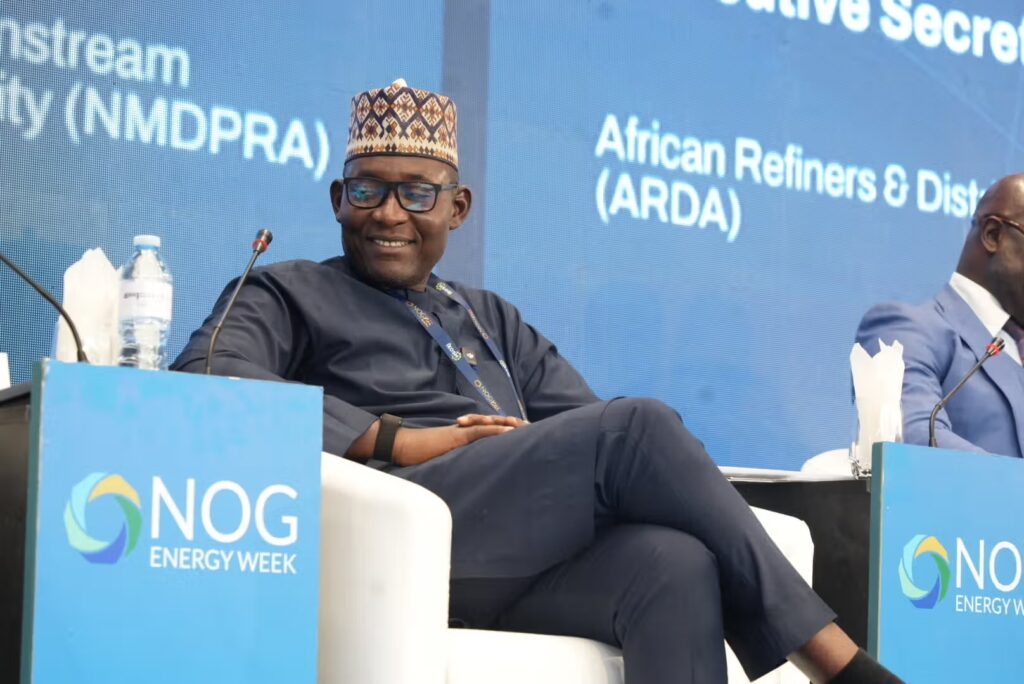
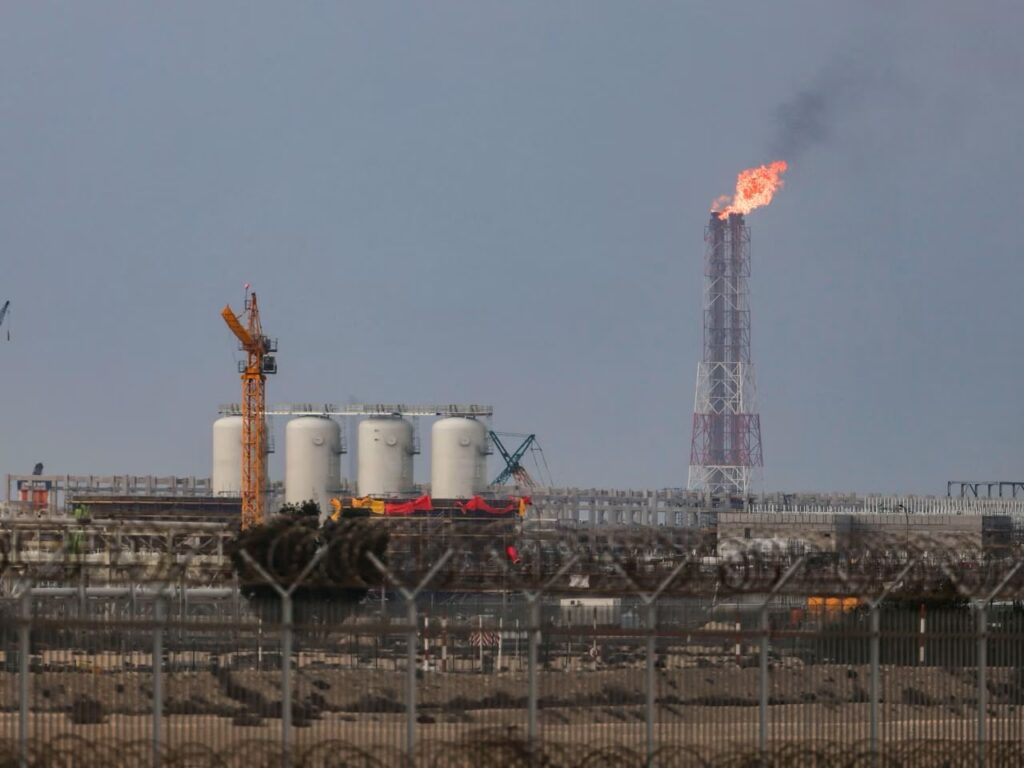
The Nigerian Midstream and Downstream Petroleum Regulatory Authority (NMDPRA) says Nigeria is repositioning its petroleum industry to focus on exporting refined petroleum products rather than crude oil as domestic refining capacity continues to grow. Speaking at the 49th Nigeria Annual International Conference and Exhibition (NAICE) organised by the Society of Petroleum Engineers (SPE) Nigeria Council in Lagos, NMDPRA Chief Executive Officer, Rabiu Umar, said ongoing refinery projects and planned expansions are expected to transform Nigeria into a major refining hub for Africa. According to Umar, the country’s refining capacity has reached its highest level and is projected to increase further as new projects come on stream. He expressed confidence that Nigeria could eventually refine all of its targeted crude oil production locally. He explained that processing crude within the country would allow Nigeria to export higher-value refined petroleum products instead of raw crude, creating more economic benefits across the oil and gas value chain. Umar described the development as a significant milestone that would strengthen collaboration between the upstream, midstream and downstream sectors while boosting value addition in the petroleum, gas and petrochemical industries. He also disclosed that the NMDPRA is working closely with the Nigerian Upstream Petroleum Regulatory Commission (NUPRC) to enforce the Domestic Crude Supply Obligation, a policy designed to ensure local refineries receive adequate crude oil supplies. According to him, expanding domestic refining capacity reduces the need to export crude oil and enables the country to maximise revenue by producing and exporting refined products. Umar added that stronger integration across the petroleum industry would enhance Nigeria’s position as a regional refining hub, supported by both conventional and modular refineries. Also speaking at the conference, the Chief Executive Officer of the NUPRC, Oritsemeyiwa Eyesan, stressed the importance of collaboration between regulators and industry stakeholders. She said the commission regularly engages operators through monthly meetings and consultations when developing new regulations, guidelines and policy frameworks. Eyesan noted that the global energy industry is evolving rapidly due to geopolitical developments, climate concerns, technological innovation, artificial intelligence, changing investment patterns and increasing energy demand. She emphasised that sustained partnerships between regulators and industry players remain essential to building a resilient energy sector, attracting investment and supporting long-term growth.

Business

Global Tensions Create Industrialization Opportunity For Nigeria: Okonjo-Iweala

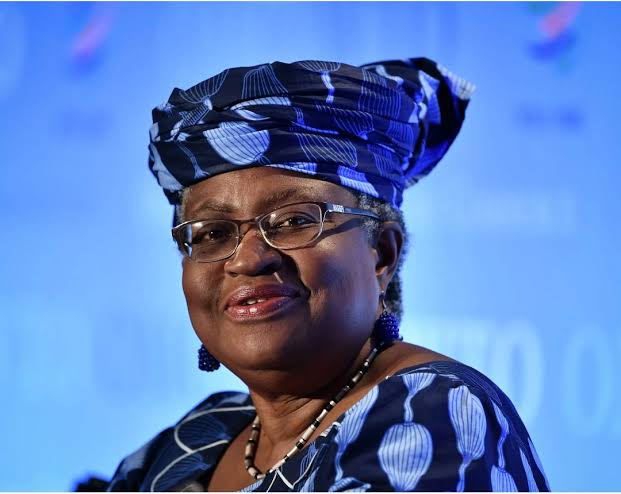
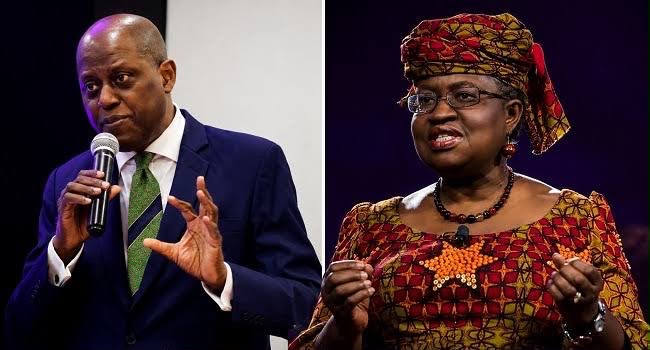
The Director-General of the World Trade Organization (WTO), Ngozi Okonjo-Iweala, has urged Nigeria to take advantage of changing global trade patterns by implementing reforms that will attract investment, boost industrialisation and strengthen its position in global value chains. Speaking during a fireside chat with Central Bank of Nigeria Governor Olayemi Cardoso at the seventh Africa Emerging Markets Forum in Abuja, Okonjo-Iweala said increasing geopolitical tensions and the restructuring of global supply chains present significant opportunities for Nigeria and other African countries. She acknowledged that the global economy is experiencing trade fragmentation and uncertainty but stressed that such challenges also create opportunities for countries willing to improve their competitiveness. According to her, multinational companies are seeking to diversify their manufacturing and sourcing operations following lessons from the COVID-19 pandemic and ongoing geopolitical tensions. She said Africa should position itself as an attractive destination for these investments instead of allowing them to continue flowing mainly to Asia and Latin America. Okonjo-Iweala also highlighted West Africa’s abundant critical mineral resources, noting that the region could build integrated supply chains for renewable energy technologies and electric vehicle batteries through greater regional cooperation. She argued that African countries should work together on processing and manufacturing rather than pursuing isolated national strategies. Despite the opportunities, the WTO chief questioned whether Nigeria is prepared to undertake the governance, infrastructure and regulatory reforms needed to attract long-term investors. She called for the removal of bureaucratic obstacles that discourage businesses and urged policymakers to prioritise efficient leadership and a more investment-friendly environment. On the Federal Government’s economic reforms, Okonjo-Iweala said their success would ultimately depend on whether Nigerians experience tangible improvements in their daily lives. While commending reforms introduced by the Central Bank of Nigeria, she stressed that macroeconomic stability must translate into job creation, business growth and improved living standards to earn public confidence. She also advocated stronger implementation of the African Continental Free Trade Area (AfCFTA), saying increased trade among African countries would reduce dependence on external markets and stimulate regional economic growth. According to her, Africa’s growing middle class and youthful population could become major drivers of development if governments invest in skills development and employment opportunities. Addressing concerns over recent United States tariff measures affecting Nigerian exports, Okonjo-Iweala said the country should focus less on tariff rates and more on expanding and diversifying its export base through value addition and increased production. She further encouraged Nigeria to mobilise domestic capital rather than relying heavily on foreign investment, noting that global financial flows are becoming more constrained. She added that building investor confidence at home is essential, as domestic investment often serves as a signal that attracts international investors. Okonjo-Iweala concluded that Nigeria has the resources and potential to achieve sustained economic growth but emphasised that success will depend on consistent reforms, stronger institutions and policies that encourage investment, industrialisation and regional trade.

Business, Economy

2026 BUDGET: AGENCIES SET ASIDE N400BN FOR MOSQUES, PALACES, HALLS

At least 78 Ministries, Departments and Agencies (MDAs) of the Federal Government have allocated nearly ₦400 billion in the 2026 budget for the construction and rehabilitation of community halls, mosques, traditional rulers’ palaces, village market squares and civic centres. An analysis of the budget shows that more than half of the allocation is earmarked for projects considered non-developmental, including the distribution of grains, motorcycles and tricycles, sponsorship of community thrift societies, and the construction of museums and mini-stadia. The affected MDAs include the Defence Headquarters, Nigerian Air Force, Nigerian Defence Academy, Technical Aid Corps, Federal Ministry of Information and National Orientation, Federal Ministry of Industry, Trade and Investment, Office of the Auditor-General for the Federation, National Building and Road Research Institute (NBRRI), National Productivity Centre and several research institutions. Economic analysts have criticised the spending pattern, arguing that the projects do not reflect Nigeria’s most pressing development priorities given the country’s current fiscal challenges. They contend that allocating hundreds of billions of naira to numerous small-scale projects reduces funding available for critical sectors such as healthcare, education, security, roads, power and other infrastructure capable of delivering broader economic benefits. The experts also warned that many of the projects have little connection to the statutory responsibilities of the agencies executing them, raising concerns about transparency, accountability and fiscal discipline. For example, the National Building and Road Research Institute’s 2026 budget includes the construction of village halls in Anambra State, an international market in Jigawa State, traditional rulers’ palaces in Rivers and Kogi states, market stalls in Borno State, a multipurpose hall in Kaduna State and the renovation of mosques in Kebbi, Ekiti and Jigawa states. The combined value of these projects exceeds ₦4 billion, despite having no direct link to the institute’s mandate. Similarly, the National Productivity Centre’s budget provides for projects such as support for Ijaw musicians, the construction of an Emir’s palace in Yobe State, an econometrics laboratory in Ekiti State, the refurbishment of traditional rulers’ palaces in Ogun State and the construction of an abattoir in Gombe State. The National Mathematical Centre is also expected to finance the construction of a Sociology Department building at Ahmadu Bello University, Zaria, a project many observers say falls outside its core responsibilities. Consultant economist and former central banker Chukwunonso Ihuma blamed the situation on weak legislative oversight, alleging that lawmakers often insert projects into agency budgets that have little developmental value. He called for a return to zero-based budgeting, where every expenditure must be justified from scratch, and urged the Budget Office of the Federation to reject projects that do not align with national priorities or the mandates of the affected agencies. According to Ihuma, projects such as markets, traditional rulers’ palaces and civic centres are typically the responsibility of state and local governments rather than federal agencies. President Bola Tinubu signed the ₦68.32 trillion 2026 Appropriation Act into law in April and also extended the implementation period for the 2025 budget to June 30, 2026. The Senate later approved a further extension of the capital component to September 30, 2026, to allow ongoing projects to be completed. The Nigerian Institute of Social and Economic Research (NISER) said effective implementation of the budget would require stronger fiscal coordination, improved revenue generation and structural reforms to address inflation, exchange rate volatility and economic inequality. Chief Executive Officer of the Centre for the Promotion of Private Enterprise (CPPE), Dr Muda Yusuf, said the government’s decision to discontinue reliance on the Central Bank’s Ways and Means financing had created additional fiscal pressure, making revenue generation more challenging. He also questioned the realism of the 2026 budget assumptions, which project ₦36.87 trillion in revenue, oil production of 1.84 million barrels per day, an oil benchmark of $75 per barrel, GDP growth of between 4.28 and 4.68 per cent, and ₦15.81 trillion for debt servicing. Media strategist Umar Sani noted that while lawmakers sometimes include constituency projects in the budget, the executive does not always implement them, leading to disagreements over budget execution. He added that previous administrations had rejected appropriation bills containing projects they considered unnecessary, stressing the need for more disciplined budgeting that prioritises national development.
Economy

CWAY Group Announces 2026 Job Recruitment

CWAY Group, a multinational company specialising in the production and wholesale supply of treated water, water dispensers, soft drinks, food and beverages across Africa and Asia, is recruiting qualified candidates for the position of Van Sales Representative in Lagos State. The full-time role is open to candidates with a Bachelor’s degree, Higher National Diploma (HND) or its equivalent and offers an opportunity to build a career in the fast-moving consumer goods (FMCG) sector. Job Responsibilities Successful candidates will be expected to develop and implement sales and marketing strategies aimed at achieving sales targets, maximising profits and delivering excellent customer service. Other responsibilities include ensuring product availability and visibility across distributor warehouses, retail outlets, HORECA and key accounts, while maintaining healthy stock levels in line with company standards. The role also involves monitoring market trends, identifying new business opportunities, supporting new product development, preparing periodic sales reports and supervising field sales activities. Applicants will be required to collaborate with departments such as Production, Finance and Logistics to address business needs, while ensuring compliance with the company’s food safety policies. The successful candidate may also be involved in customer feedback surveys and product recall exercises where necessary. Requirements Applicants must possess a first degree in a relevant discipline and have at least two years’ experience in the FMCG sector, including a minimum of one year in table water sales. Candidates should also have strong numerical and analytical skills, be proficient in data reporting and demonstrate a high level of integrity and enthusiasm. Salary The position offers a monthly salary ranging from ₦150,000 to ₦200,000. The application deadline is August 31, 2026.

Business, Energy

Iranian Missile Launches Push Oil Prices Higher

Global oil prices climbed by more than three per cent during early Asian trading on Wednesday after the United States military said it intercepted several missiles launched by Iran, heightening concerns over escalating tensions in the Middle East. As of 0015 GMT, US benchmark West Texas Intermediate (WTI) crude gained 3.67 per cent to trade at $82.17 per barrel, while Brent crude, the international benchmark, rose 3.39 per cent to $86.94 per barrel. The sharp increase reflects market fears that renewed hostilities in the region could disrupt global energy supplies, particularly through critical shipping routes. Despite the growing tensions, US President Donald Trump expressed optimism that diplomatic efforts could still help resolve the conflict, which reportedly began in late February. “I have a lot of patience… We’ll see what happens,” Trump told reporters aboard Air Force One. “I think there is a good chance that something could happen.” Meanwhile, reports indicate that Oman and Iran are working toward an agreement to restore shipping through the Strait of Hormuz, a strategic waterway that carries about one-fifth of the world’s oil and liquefied natural gas (LNG) exports. The latest developments have kept global energy markets on edge, with analysts warning that any disruption to oil exports through the Gulf could have significant consequences for global oil prices and energy supply.

Business, Economy

Africa’s Top Economic Leaders Gather in Abuja for Emerging Markets Forum

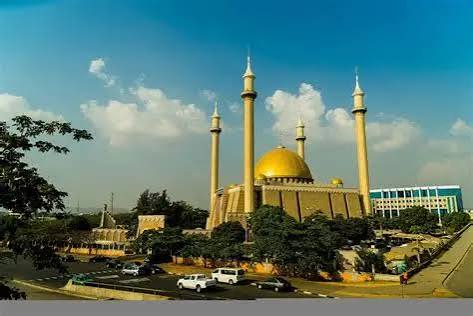
Senior policymakers, financial experts and business leaders from across Africa have gathered in Abuja for the seventh African Emerging Markets Forum, where discussions are centred on strengthening the continent’s resilience amid rising global economic uncertainty. The forum, taking place at the headquarters of the Central Bank of Nigeria (CBN), has attracted top government officials, including CBN Governor Oluyemi Cardoso, National Security Adviser Nuhu Ribadu and Chairman of the Nigeria Revenue Service, Zacch Adedeji. Participants from several African countries are attending the event, while the Director-General of the World Trade Organization, Ngozi Okonjo-Iweala, is also expected to participate. Held under the theme, “Building Resilience Amidst Geoeconomic Uncertainties,” the forum is providing a platform for policymakers, economists and financial experts to discuss strategies for navigating global and domestic economic volatility, while exploring ways to increase investment and deepen financial inclusion across the continent. In his welcome address, the CBN Deputy Governor for Corporate Services, Muhammad Abdullahi, acknowledged the growing pressure that global economic developments have placed on emerging markets. Despite the challenges, Abdullahi said the current economic climate presents an opportunity for African countries to strengthen their fiscal and monetary policies. He noted that while ongoing disruptions in global markets continue to affect developing economies, they also offer a chance to implement reforms that could improve economic stability and long-term growth.

Business, Economy

Measures to combat illicit financial flows

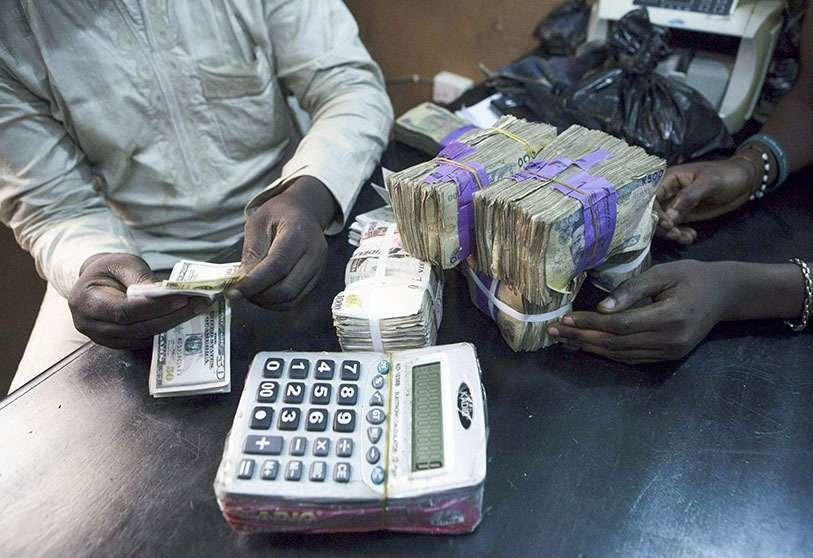
Nigeria continues to suffer significant economic losses from illicit financial flows (IFFs), with an estimated $17.8 billion leaving the country annually, according to recent findings presented at a capacity-building workshop organised by the Africa Network for Environment and Economic Justice (ANEEJ). The organisation revealed that Nigeria lost between $90 billion and $108 billion through illicit financial flows between 2020 and 2025. Data from the Federal Government, the African Union (AU), and the United Nations Economic Commission for Africa (UNECA) indicate that Africa loses about $88 billion each year to illicit financial flows, with Nigeria accounting for roughly 20 per cent of those losses. Major drivers of the illicit outflows include crude oil theft and illegal bunkering, trade mispricing through inflated import invoices and undervalued exports, tax evasion, profit shifting by multinational companies, corruption, money laundering, and illegal cross-border financial transfers. These practices deprive the country of much-needed revenue for critical sectors such as education, healthcare, and infrastructure while weakening public institutions and discouraging investment. The International Monetary Fund (IMF) has repeatedly expressed concern over the scale of illicit financial flows from Nigeria. IMF Managing Director Kristalina Georgieva urged Nigerian authorities to strengthen efforts to trace illicit funds and eliminate fiscal leakages, warning that the growing trend continues to worsen the country’s revenue challenges. Financial intelligence agencies have also identified Nigeria as a key transit point for illicit financial transactions. According to Interpol Vice President Garba Umar, hundreds of thousands of dollars are allegedly laundered out of Nigeria every hour through various illegal channels, posing a threat to national security and economic stability. Analysts say the proceeds from illicit financial flows often finance organised crime and other unlawful activities, making it essential for authorities to strengthen enforcement measures. Reports also indicate that Nigeria’s banking sector has played a significant role in facilitating illicit financial transactions over the years. Experts have therefore called on the Central Bank of Nigeria (CBN) to tighten regulatory oversight and close loopholes that enable illegal fund transfers, while urging the Economic and Financial Crimes Commission (EFCC) to intensify investigations and collaborate with international counterparts to track and recover stolen assets. In addition, experts have highlighted the role of offshore tax havens, shell companies, anonymous trusts, and other secret financial structures in facilitating illicit financial flows. Previous reports by Global Financial Integrity (GFI) and the Nigeria Extractive Industries Transparency Initiative (NEITI) have similarly raised concerns about capital flight and money laundering involving Nigerian institutions. Stakeholders say sustained enforcement, stronger financial regulations, international cooperation, and the prosecution of offenders remain critical to reducing illicit financial flows and protecting Nigeria’s economic resources.

Business

Glo, Samsung Strengthen Partnership with Galaxy Z Fold8 Launch

Digital solutions provider Globacom and global technology company Samsung have reinforced their long-standing partnership with the unveiling of the new Galaxy Z Fold8 Ultra and Galaxy Z Fold8 smartphones. The devices were introduced during an exclusive Masterclass held at Gloworld on Adeola Odeku Street, Victoria Island, Lagos, where both companies highlighted their continued collaboration in bringing innovative technology and exclusive benefits to Nigerian consumers. As part of the event, Samsung honoured Globacom with its Foldable Legacy Award in recognition of the telecom company’s role in supporting the growth and success of Samsung’s foldable smartphone lineup in Nigeria. Customers who purchase either the Galaxy Z Fold8 Ultra or Galaxy Z Fold8 from any Gloworld outlet nationwide will receive a range of exclusive benefits. These include 18GB of free Glo data, distributed as 3GB monthly for six months, a Glo eSIM with a Premium Number, and an additional 10GB monthly data bonus for six months. Buyers will also enjoy Samsung Care+ coverage, flexible payment options, and other benefits valued at up to ₦1 million. Speaking at the Masterclass, Samsung’s Product Manager for EIP and MNOs Business, Solomon Osibeluwo, described the relationship with Globacom as one built on years of trust and shared commitment to innovation. He thanked the telecom operator for helping make Samsung’s latest devices more accessible while creating opportunities for customers to experience the company’s newest technologies. According to Osibeluwo, the Galaxy Z Fold8 series is powered by the Snapdragon 8 Elite Gen 5 for Galaxy processor, offering faster performance, enhanced Galaxy AI features, and improved multitasking capabilities. He added that the new devices feature Samsung’s passport-inspired design, making them slimmer, lighter, and easier to carry. The smartphones also come with brighter displays equipped with Vision Booster and anti-reflective technology to improve visibility in bright outdoor conditions. Osibeluwo noted that the integrated Galaxy AI tools are designed to help users communicate more efficiently, create content effortlessly, and improve productivity in both personal and professional settings. Gloworld Director Mohamed Rabie also described the launch as another milestone in the partnership between Globacom and Samsung. He said the collaboration has consistently delivered cutting-edge devices, exclusive promotions, and quality customer experiences by combining Samsung’s AI-powered innovations with Globacom’s reliable network and customer-focused services. Rabie announced that customers can pre-order the Galaxy Z Fold8 Ultra and Galaxy Z Fold8 at all Gloworld outlets across Nigeria from July 22 to August 20. He said those who pre-order will enjoy early access to the devices along with exclusive offers from both brands worth up to ₦1 million. The event featured live demonstrations of the new foldable smartphones, allowing business partners, technology enthusiasts, and members of the media to explore the devices’ Galaxy AI features, productivity tools, and overall performance. The launch further underscored the shared commitment of Globacom and Samsung to delivering innovative technology and greater value to customers across Nigeria.