The Click Report

Audio Brief

Listen to the latest top stories and editorial summary.

2026

Politics

Bill Seeking Mandatory Drug Tests for Truck Drivers Passes Through Reps

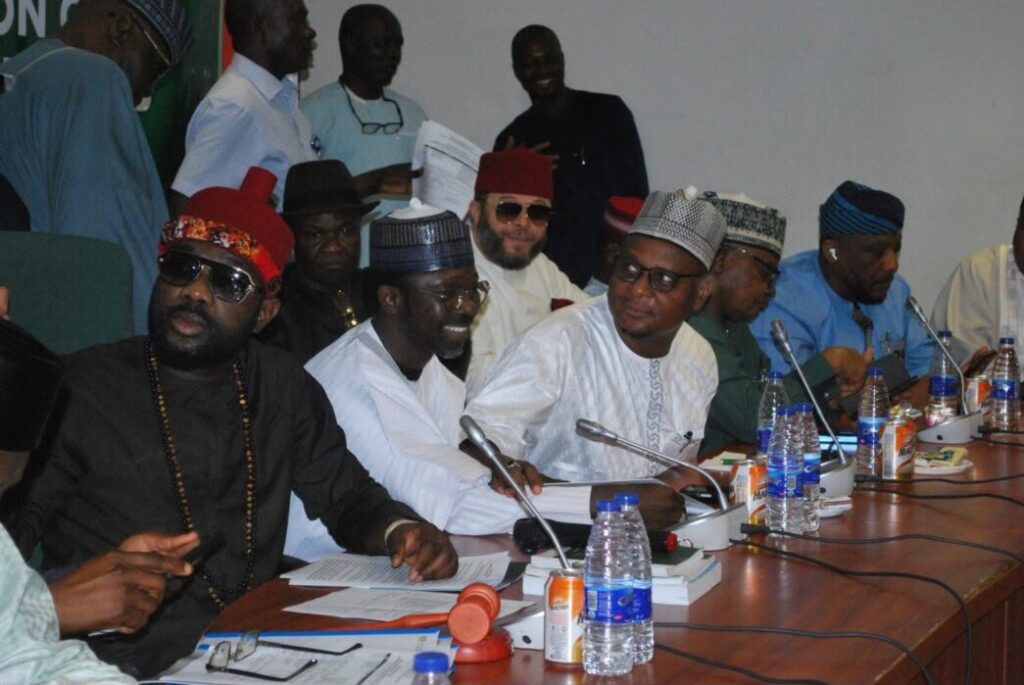
The House of Representatives is considering a bill that would require truck drivers across Nigeria to undergo mandatory drug tests every six months as part of efforts to reduce the rising number of tanker and trailer accidents on the country’s roads. The proposed legislation was disclosed on Tuesday by the lawmaker representing Nnewi North/Nnewi South/Ekwusigo Federal Constituency in Anambra State, Peter Uzokwe, who is sponsoring the bill. Speaking during an interactive session with key stakeholders in the downstream petroleum sector, including the Depot and Petroleum Products Marketers Association of Nigeria (DAPPMAN), the Major Energies Marketers Association of Nigeria (MEMAN), and the Independent Petroleum Marketers Association of Nigeria (IPMAN), Uzokwe said substance abuse among truck drivers is a major contributor to accidents involving heavy-duty vehicles. He explained that the bill, which is scheduled for its second and third readings in the House, seeks to make routine drug screening compulsory for all truck drivers. “It is in my bill, coming up for second and third reading, that all truck drivers should be tested for drugs at least once every six months,” he said. Uzokwe argued that driver training alone cannot prevent accidents if drivers operate vehicles while under the influence of illicit substances. “You can train a driver who is a drug addict. He may drive well, but once the substance takes control, he will no longer drive the way he was trained. “You can see the trailer and tanker accidents we are having. These are things that can be prevented if drivers are in their right senses,” he added. The proposed legislation forms part of broader efforts by lawmakers to improve road safety and reduce fatalities resulting from accidents involving heavy-duty vehicles across Nigeria.
Business, Energy

Iranian Missile Launches Push Oil Prices Higher

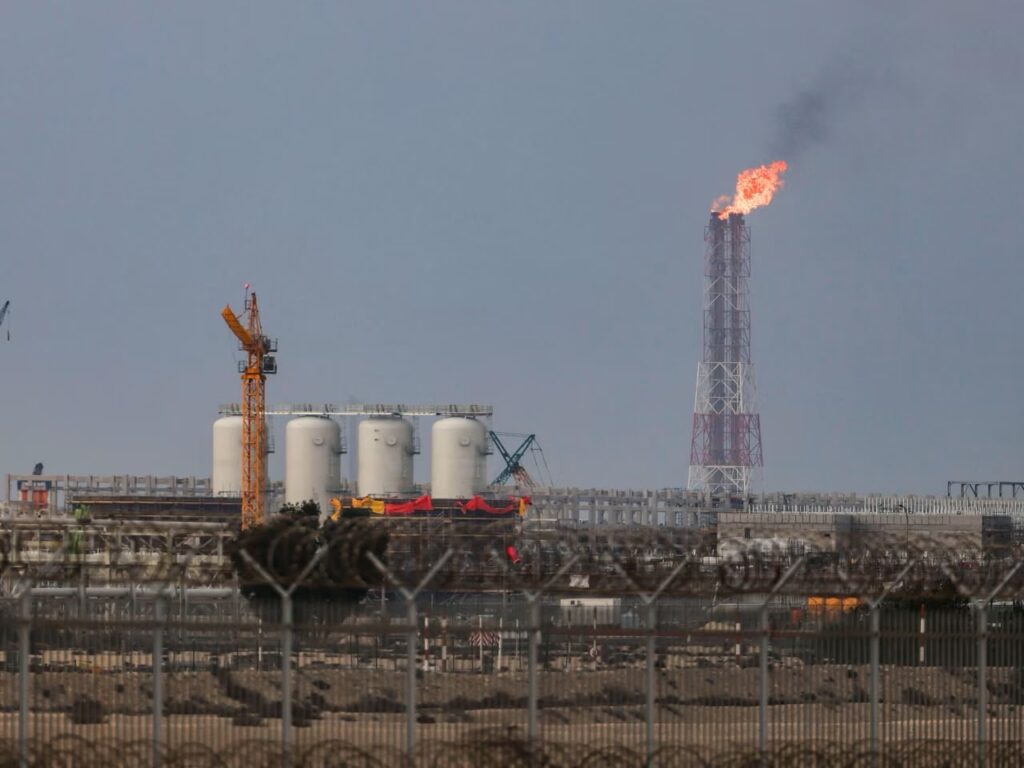
Global oil prices climbed by more than three per cent during early Asian trading on Wednesday after the United States military said it intercepted several missiles launched by Iran, heightening concerns over escalating tensions in the Middle East. As of 0015 GMT, US benchmark West Texas Intermediate (WTI) crude gained 3.67 per cent to trade at $82.17 per barrel, while Brent crude, the international benchmark, rose 3.39 per cent to $86.94 per barrel. The sharp increase reflects market fears that renewed hostilities in the region could disrupt global energy supplies, particularly through critical shipping routes. Despite the growing tensions, US President Donald Trump expressed optimism that diplomatic efforts could still help resolve the conflict, which reportedly began in late February. “I have a lot of patience… We’ll see what happens,” Trump told reporters aboard Air Force One. “I think there is a good chance that something could happen.” Meanwhile, reports indicate that Oman and Iran are working toward an agreement to restore shipping through the Strait of Hormuz, a strategic waterway that carries about one-fifth of the world’s oil and liquefied natural gas (LNG) exports. The latest developments have kept global energy markets on edge, with analysts warning that any disruption to oil exports through the Gulf could have significant consequences for global oil prices and energy supply.

Business, Economy

Africa’s Top Economic Leaders Gather in Abuja for Emerging Markets Forum

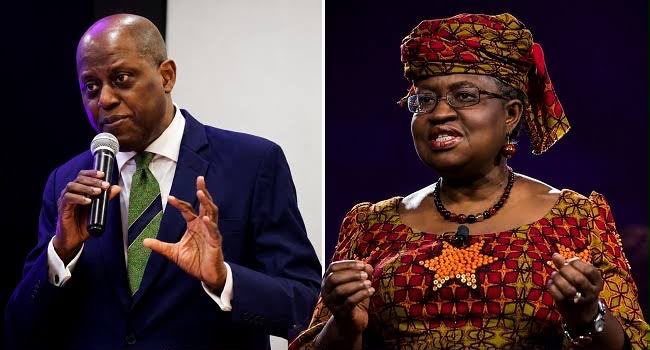
Senior policymakers, financial experts and business leaders from across Africa have gathered in Abuja for the seventh African Emerging Markets Forum, where discussions are centred on strengthening the continent’s resilience amid rising global economic uncertainty. The forum, taking place at the headquarters of the Central Bank of Nigeria (CBN), has attracted top government officials, including CBN Governor Oluyemi Cardoso, National Security Adviser Nuhu Ribadu and Chairman of the Nigeria Revenue Service, Zacch Adedeji. Participants from several African countries are attending the event, while the Director-General of the World Trade Organization, Ngozi Okonjo-Iweala, is also expected to participate. Held under the theme, “Building Resilience Amidst Geoeconomic Uncertainties,” the forum is providing a platform for policymakers, economists and financial experts to discuss strategies for navigating global and domestic economic volatility, while exploring ways to increase investment and deepen financial inclusion across the continent. In his welcome address, the CBN Deputy Governor for Corporate Services, Muhammad Abdullahi, acknowledged the growing pressure that global economic developments have placed on emerging markets. Despite the challenges, Abdullahi said the current economic climate presents an opportunity for African countries to strengthen their fiscal and monetary policies. He noted that while ongoing disruptions in global markets continue to affect developing economies, they also offer a chance to implement reforms that could improve economic stability and long-term growth.

Foreign Affairs

Telegram Founder Pavel Durov Added to Russia’s Wanted List

Russian authorities have declared Telegram founder Pavel Durov wanted, accusing him of allowing the messaging platform to be used by Ukrainian intelligence agencies and extremist groups. According to the Federal Security Service (FSB), Telegram’s management failed to remove several channels, group chats and bots allegedly used by Ukrainian intelligence operatives, as well as terrorist and extremist organisations. The FSB claimed that Ukrainian security agencies exploited a Telegram dating chatbot to lure and recruit Russian citizens for what it described as sabotage and terrorist activities. The agency said 46 users of the chatbot, aged between 12 and 22, have been arrested across Russia over the past year on allegations including attacks on law enforcement officers, arson and other criminal offences. Based on the allegations, the FSB announced that Durov has been placed on an international wanted list. Shortly after the announcement, Telegram’s official account on X posted an image of Durov raising his middle finger, a gesture widely interpreted as a response to the accusations. Durov, 41, has previously accused Russian authorities of fabricating reasons to restrict citizens’ access to Telegram. Telegram remains one of the most widely used messaging platforms in Russia, with tens of millions of users. However, the Russian government has increasingly tightened restrictions on the app while promoting MAX, a state-backed “super app,” as an alternative. Telegram also has a large user base in Ukraine. Durov left Russia in 2014 after refusing government demands to shut down opposition groups on the platform. Before launching Telegram, he founded VKontakte (VK), Russia’s largest social networking site, often described as the country’s equivalent of Facebook.

Foreign Affairs

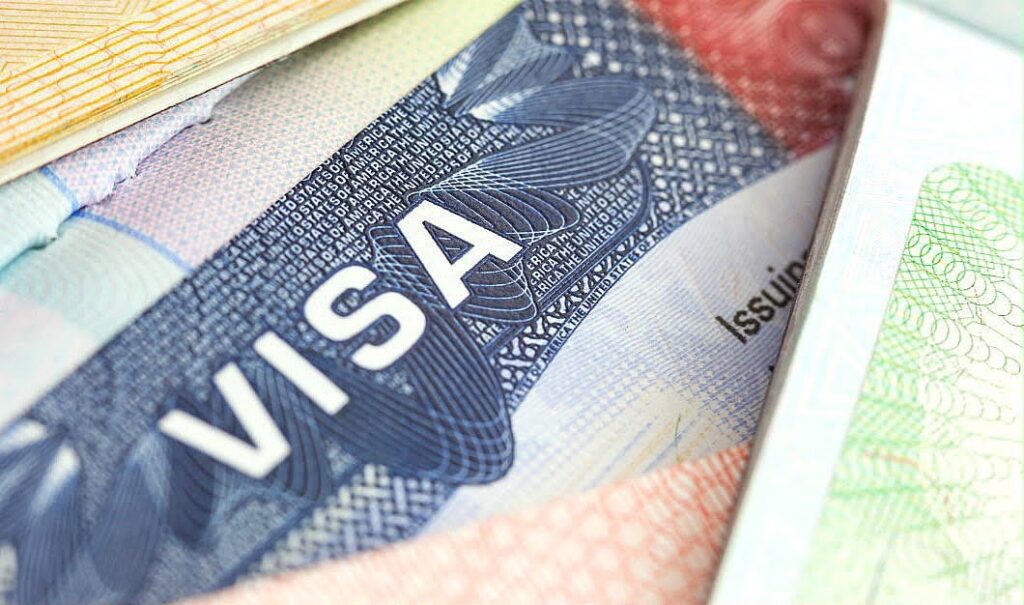
US to halt visa services in Abuja, 24 other African cities (Full list)

The United States has announced a major restructuring of its visa operations across Africa, ending routine visa services at its embassy in Abuja and 24 other diplomatic missions from August 1, 2026. The US Department of State said the move is part of a broader effort to strengthen national security, reduce government spending, and standardise visa screening, vetting and adjudication processes across its overseas missions. In a statement, the department said the realignment reflects the Trump administration’s commitment to prioritising the safety of Americans while ensuring US diplomatic resources are used more efficiently. “The Department of State is constantly evaluating its overseas operations in order to advance America’s priorities as efficiently and effectively as possible. This includes a visa process that maintains rigorous standards of security screening and vetting and aligns resources and operational capacity with America’s national interests,” the statement said. It added that protecting Americans remains the administration’s highest priority and assured that embassies and consulates worldwide would continue providing appropriate consular services. Besides Abuja, routine visa services will also be discontinued at US diplomatic missions in Asmara, Bamako, Banjul, Brazzaville, Bujumbura, Conakry, Cotonou, Durban, Freetown, Gaborone, Harare, Juba, Libreville, Lilongwe, Lusaka, Maputo, Maseru, Mbabane, N’Djamena, Niamey, Nouakchott, Ouagadougou and Windhoek. The State Department clarified that the operational status of the affected embassies and consulates remains unchanged and that they will continue carrying out their diplomatic and consular responsibilities. It also stressed that the policy does not affect visas that have already been issued. The realignment covers several immigrant visa categories, including immediate relative (IR), family preference (FP), employment-based (EB), fiancé(e) (K) visas, adoption cases, diversity visas and follow-to-join asylee and refugee (V92/V93) applications. According to the department, similar regional hub arrangements have already been successfully implemented in parts of Africa and Europe. Meanwhile, routine visa processing will continue at designated US embassies and consulates, including Lagos, Abidjan, Accra, Addis Ababa, Cape Town, Dakar, Dar es Salaam, Djibouti, Johannesburg, Kampala, Kigali, Kinshasa, Lomé, Luanda, Malabo, Monrovia, Nairobi, Port Louis, Praia and Yaoundé. These hub locations will handle all routine non-immigrant visas, including tourist, business and petition-based applications, as well as immigrant visa services. The State Department noted that existing visa restrictions imposed under Presidential Proclamation 10998, visa bond requirements and pauses on immigrant visas for certain nationalities remain in effect. Applicants from countries affected by the changes who intend to apply for US visas from August 1, 2026, have been advised to book appointments and pay the required visa fees at their designated visa processing hubs. The decision is expected to significantly affect Nigerian applicants, who will now need to process routine visa applications through the US Consulate in Lagos or other designated regional hubs, as Abuja will no longer offer routine visa services. Nigeria remains one of Africa’s largest sources of US visa applications, with Abuja and Lagos previously serving as the country’s two primary processing centres.

Governance

FG Breaches Borrowing Ceiling, Adds ₦12.62tn Debt

The Federal Government exceeded its 2024 borrowing target by N4.79 trillion after a larger-than-expected budget deficit forced it to seek additional financing, according to the Budget Office of the Federation. The Fourth Quarter and Consolidated Budget Implementation Report for 2024 showed that total new borrowings rose to N12.62 trillion, surpassing the approved borrowing target of N7.83 trillion by N4.79 trillion, representing an increase of 61.2 per cent. The increase followed a significant revenue shortfall that pushed the fiscal deficit to N13.51 trillion, well above the budgeted N9.18 trillion. According to the report, the Federal Government generated N20.98 trillion in revenue during the year, falling N4.90 trillion short of the projected N25.88 trillion. Meanwhile, total expenditure reached N34.49 trillion, just N561.29 billion below the approved spending estimate of N35.06 trillion, indicating that the wider deficit resulted primarily from weaker revenue rather than excessive spending. While domestic borrowing remained on target at N6.06 trillion, foreign borrowing climbed from the budgeted N1.77 trillion to N3.37 trillion, exceeding projections by N1.60 trillion. In addition, the Federal Government received N3.19 trillion in budget support, despite making no provision for it in the 2024 budget. Combined, domestic borrowing, foreign borrowing and budget support raised total new borrowings to N12.62 trillion. The report further revealed that new borrowings financed approximately 36 per cent of the 2024 budget, underlining the government’s continued reliance on debt to fund public expenditure. It also noted that expected privatisation proceeds of N298.49 billion were not realised during the fiscal year. Although total revenue increased by 68.11 per cent from N12.48 trillion in 2023 to N20.98 trillion in 2024, it still fell nearly 19 per cent below the annual target. Oil revenue remained the weakest performer, with gross earnings of N15.07 trillion, about N4.93 trillion below budget. The shortfall was attributed to lower-than-expected crude oil prices and production levels. Non-oil revenue, however, outperformed expectations. Gross non-oil revenue reached N16.09 trillion, exceeding the budget estimate by N5.29 trillion, driven by stronger collections from Company Income Tax, Value Added Tax, the Electronic Money Transfer Levy and Customs revenue. On expenditure, non-debt recurrent spending stood at N8.53 trillion, below budget, while debt servicing costs surged. Total debt expenditure rose to N12.36 trillion, exceeding the budgeted N8.27 trillion by 52.71 per cent, reflecting the growing cost of servicing Nigeria’s debt obligations. The report also showed that N5.81 trillion was released for capital projects during the year, but utilisation lagged behind. As of June 30, 2025, Ministries, Departments and Agencies had utilised N3.27 trillion, representing 81.91 per cent of the funds released and cash-backed. Nigeria’s debt burden also continued to rise. Total public debt increased to N144.67 trillion by the end of December 2024, pushing the debt-to-GDP ratio to 61.22 per cent well above Nigeria’s self-imposed threshold of 40 per cent and the international benchmark of 56 per cent for comparable economies. Despite the fiscal challenges, the Budget Office expressed confidence that ongoing reforms aimed at improving tax administration, boosting non-oil revenue, reducing leakages and strengthening remittances from government-owned enterprises would reduce the country’s dependence on borrowing over the medium term. Reacting to the report, Chief Executive Officer of CSA Advisory, Aliyu Ilias, warned that the sharp rise in borrowing could worsen inflation and increase the cost of living if not properly managed. He argued that while borrowing can support economic growth, the real concern is ensuring that borrowed funds are invested productively. Similarly, Chief Economist of the Nigerian Economic Summit Group, Dr Olusegun Omisakin, maintained that borrowing itself is not the problem but rather how the funds are utilised. He said Nigeria’s debt indicators remain manageable compared to many economies, provided borrowed funds are channelled into projects that deliver tangible economic returns. Chief Executive Officer of the Centre for the Promotion of Private Enterprise, Muda Yusuf, also urged the government to curb the growth of public debt through stronger revenue generation and greater fiscal discipline. He noted that ongoing tax reforms could help ease the country’s reliance on borrowing if effectively implemented. The issue has also sparked public debate. Former Central Bank Governor Muhammadu Sanusi II recently questioned the government’s continued borrowing despite the removal of fuel subsidy, warning that weak fiscal discipline could undermine the benefits of ongoing reforms. The Presidency defended the borrowing strategy, insisting it is intended to finance critical infrastructure, while Finance Minister Taiwo Oyedele argued that the focus should be on the purpose, cost and expected returns of borrowing rather than the size of the debt alone. He, however, acknowledged that Nigeria must ultimately build a more sustainable fiscal system that relies less on borrowing to fund development.

Entertainment

BBNaija Season 11 Kicks Off, Housemates Battle for ₦160m

The eleventh season of Big Brother Naija has officially commenced, with 24 contestants stepping into Biggie’s house to compete for the show’s record ₦160 million grand prize. The new season, themed “Show Ya Sef,” was unveiled on Sunday night by longtime host Ebuka Obi-Uchendu. The housemates introduced during the launch include Tram, Temi Nkem, Martins, Abi, Chimsom Chuka, Keivo, Mercedes, Kamsi, Sultex, Aikou, Flora, Bells, Gerard, Oyin, Sheba, Araga, Ricky, Nomy, Barry, Neche, Yusuf, Goddessa, Bluethopia and Cassi. Several contestants wasted no time outlining their goals, stressing that their focus is on winning the competition rather than pursuing romantic relationships. Twenty-four-year-old Lagos-based streamer Tram said he entered the house solely to compete for the prize, adding that romance would not distract him from his objective. Similarly, 21-year-old model Temi Nkem expressed confidence in her approach, saying she intends to play the game according to her own strategy. Martins, a visual storyteller and model from Kogi State, said he is eager to enjoy the experience while giving his best in the race for the grand prize. The reality show will run for 72 days, with the eventual winner walking away with a prize package valued at ₦160 million.

Business, Economy

Measures to combat illicit financial flows

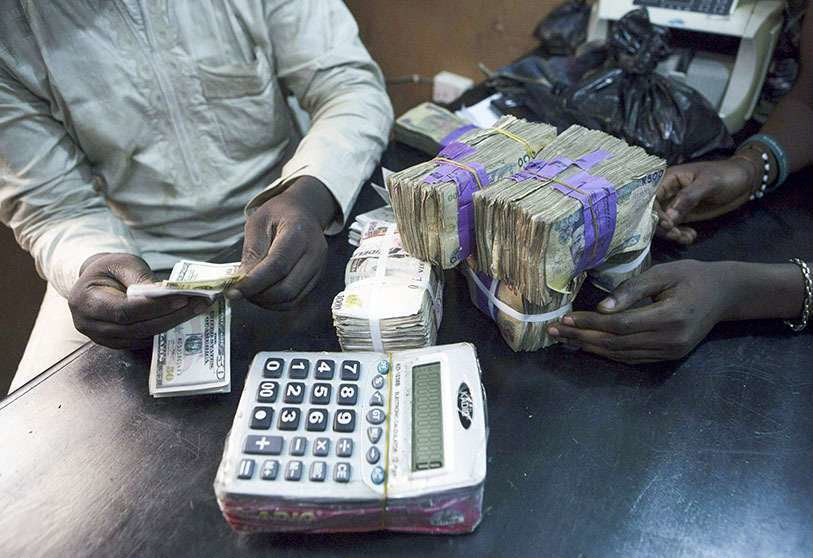
Nigeria continues to suffer significant economic losses from illicit financial flows (IFFs), with an estimated $17.8 billion leaving the country annually, according to recent findings presented at a capacity-building workshop organised by the Africa Network for Environment and Economic Justice (ANEEJ). The organisation revealed that Nigeria lost between $90 billion and $108 billion through illicit financial flows between 2020 and 2025. Data from the Federal Government, the African Union (AU), and the United Nations Economic Commission for Africa (UNECA) indicate that Africa loses about $88 billion each year to illicit financial flows, with Nigeria accounting for roughly 20 per cent of those losses. Major drivers of the illicit outflows include crude oil theft and illegal bunkering, trade mispricing through inflated import invoices and undervalued exports, tax evasion, profit shifting by multinational companies, corruption, money laundering, and illegal cross-border financial transfers. These practices deprive the country of much-needed revenue for critical sectors such as education, healthcare, and infrastructure while weakening public institutions and discouraging investment. The International Monetary Fund (IMF) has repeatedly expressed concern over the scale of illicit financial flows from Nigeria. IMF Managing Director Kristalina Georgieva urged Nigerian authorities to strengthen efforts to trace illicit funds and eliminate fiscal leakages, warning that the growing trend continues to worsen the country’s revenue challenges. Financial intelligence agencies have also identified Nigeria as a key transit point for illicit financial transactions. According to Interpol Vice President Garba Umar, hundreds of thousands of dollars are allegedly laundered out of Nigeria every hour through various illegal channels, posing a threat to national security and economic stability. Analysts say the proceeds from illicit financial flows often finance organised crime and other unlawful activities, making it essential for authorities to strengthen enforcement measures. Reports also indicate that Nigeria’s banking sector has played a significant role in facilitating illicit financial transactions over the years. Experts have therefore called on the Central Bank of Nigeria (CBN) to tighten regulatory oversight and close loopholes that enable illegal fund transfers, while urging the Economic and Financial Crimes Commission (EFCC) to intensify investigations and collaborate with international counterparts to track and recover stolen assets. In addition, experts have highlighted the role of offshore tax havens, shell companies, anonymous trusts, and other secret financial structures in facilitating illicit financial flows. Previous reports by Global Financial Integrity (GFI) and the Nigeria Extractive Industries Transparency Initiative (NEITI) have similarly raised concerns about capital flight and money laundering involving Nigerian institutions. Stakeholders say sustained enforcement, stronger financial regulations, international cooperation, and the prosecution of offenders remain critical to reducing illicit financial flows and protecting Nigeria’s economic resources.

Elections, Politics

Aigboboh Charges APC Coordinators on Edo Grassroots Mobilisatio

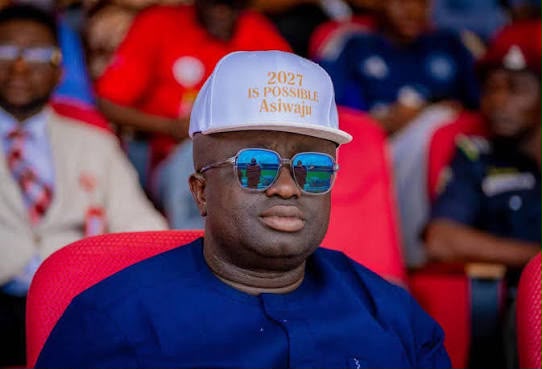
The Edo State Coordinator of the Renewed Hope Ambassadors and Deputy Chairman of the All Progressives Congress (APC) in the state, Hon. Sylvester Aigboboh, on Monday has called on Local Government Coordinators of the group to remain united, dedicated and focused in taking the Renewed Hope Agenda of President Bola Ahmed Tinubu to every community across the 192 wards of Edo State. Aigboboh, popularly known as “Party Is Supreme,” said the coordinators must intensify grassroots mobilisation to ensure that every street, community and household in the state is actively engaged in the Renewed Hope movement. He stressed that sustained engagement at the grassroots would enable more citizens to appreciate the vision of President Tinubu and the commitment of the APC-led administration to national development. “We have a responsibility to ensure that the achievements, policies and developmental programmes of President Bola Ahmed Tinubu reach every village, ward and polling unit in Edo State. “Every coordinator must remain committed to enlightening the people on the benefits of the Renewed Hope Agenda and the positive impact it is making across the country,” Aigboboh said. The APC chieftain also commended Edo State Governor, Senator Monday Okpebholo, describing him as the “Angel of Transformation” whose administration, according to him, has delivered visible development across the 18 local government areas of the state. He said the ongoing infrastructure renewal, improved governance and people-oriented policies reflect the strong partnership between the Federal Government and the Edo State Government. According to him, “The transformation taking place across Edo State is a clear demonstration of the success of the Renewed Hope Agenda and President Tinubu’s unwavering commitment to improving the lives of Nigerians through quality leadership and good governance.” He further further appealed to residents of Edo State, irrespective of age or background, to embrace the Renewed Hope movement and actively participate in the grassroots mobilisation effort, noting that the support and cooperation of citizens remain critical to sustaining the developmental gains already recorded in the state and across the country. He maintained that President Tinubu has shown courage, resilience and purposeful leadership in steering Nigeria through difficult times through reforms aimed at strengthening the economy, infrastructure, security and youth empowerment. He added that the Renewed Hope Ambassadors believe the President deserves the continued support of Nigerians and a second term in office to consolidate the achievements of his administration and complete the ongoing reforms.rewrite

Sports

2026 Commonwealth Games: Nigeria Wins Another Medal as Nyong Claims Weightlifting Silver

Nigeria increased its medal haul at the 2026 Commonwealth Games on Sunday as Ruth Asuquo Nyong claimed silver in the women’s 48kg weightlifting event with a combined lift of 168kg. Nyong began the competition with a 75kg snatch, placing third behind India’s Mirabai Chanu Saikhom, who lifted 85kg, and Malaysia’s Irene Jane Henry, who managed 77kg. She bounced back in the clean and jerk, lifting 93kg to finish with a total of 168kg, narrowly edging Henry by one kilogram to secure the silver medal. Saikhom won gold after setting a new Commonwealth Games record with a total lift of 190kg, while Henry claimed bronze with 167kg. Meanwhile, Nigeria’s men’s 3×3 basketball team suffered a 21-16 defeat to hosts Scotland in their fourth group-stage match. The loss leaves the team with a 1-3 record, with their only victory so far coming against Cape Verde in their opening game. With Nyong’s silver medal, Team Nigeria’s tally now stands at three gold and four silver medals as the Games continue in Glasgow, where more Nigerian athletes remain in medal contention.