The Click Report

Audio Brief

Listen to the latest top stories and editorial summary.

Governance

Governance, Politics

Tinubu Appoints Smart as NASS, House of Reps Adviser

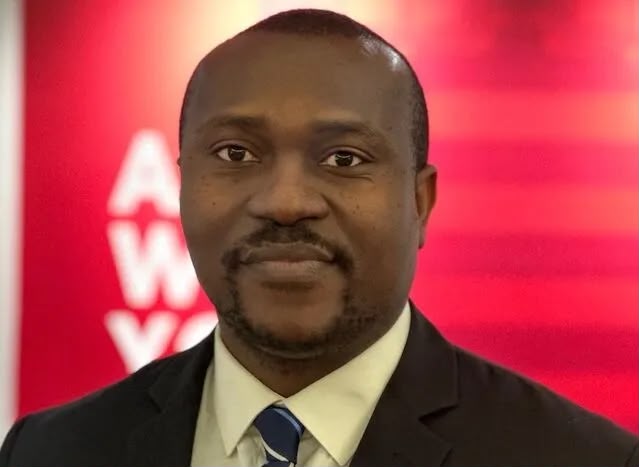
President Bola Tinubu has appointed Wasiu Olanrewaju Smart as Special Adviser on National Assembly Matters (House of Representatives), following the resignation of Ibrahim Olanrewaju. The appointment, which takes immediate effect, was announced in a statement issued by the Presidency and signed by the President’s Special Adviser on Information and Strategy, Bayo Onanuga. According to the statement, Ibrahim Olanrewaju stepped down from the position to pursue an elective political office in his home state. Before his new appointment, Olanrewaju Smart served as Senior Special Assistant to the President on Intergovernmental Affairs, a position he held from October 2023. The Presidency described the 40-year-old appointee as a policy expert with extensive legislative experience. He holds a PhD in Educational Management from Lead City University, a Master’s degree in Public Administration from Harvard University, and a professional diploma in Public Relations from the London School of Public Relations. He is also an Edward S. Mason Fellow in Public Policy at the Harvard Kennedy School, a LEAPS Fellow at the Massachusetts Institute of Technology (MIT), and previously served as a Policy Fellow at Quantum Alliance AI in the United States, where he focused on artificial intelligence and civic technology. Olanrewaju Smart has built an extensive career within the National Assembly, serving in various capacities, including Research and Media Assistant to both the Minority and Majority Leaders during the Seventh and Eighth National Assemblies. He later held senior positions in the Office of the Speaker, serving as Special Adviser, Deputy Chief of Staff and subsequently Chief of Staff during the Ninth and Tenth National Assemblies. According to the Presidency, he also contributed to the development of several major public policy initiatives, including the Student Loan Act and other legislative reforms. President Tinubu expressed confidence that Olanrewaju Smart would use his legislative experience and policy expertise to strengthen coordination between the Presidency, ministries, departments and agencies (MDAs), and the House of Representatives.

Governance, Public Affairs

FG Calls for Probe Into Nigerian’s Death in South African Police Operation

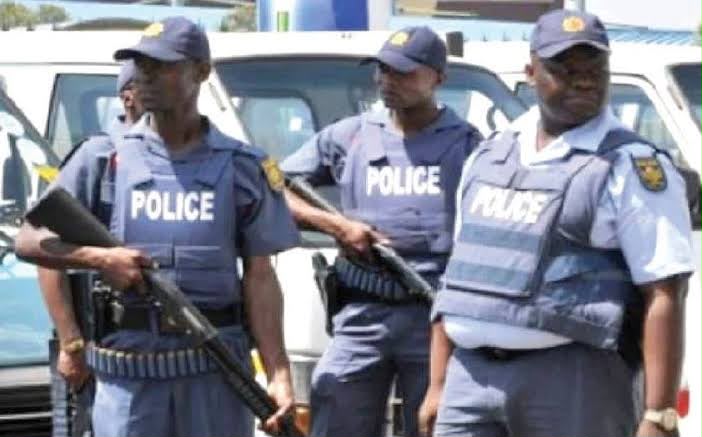
The Consulate General of Nigeria in Johannesburg has condemned the killing of Nigerian national Ibeh Chika Simon during a South African Police Service (SAPS) operation in Bellville, Cape Town, describing the circumstances surrounding his death as deeply troubling. In a statement dated July 25, the Consulate also expressed concern over the shooting of another Nigerian, Egwabor Patrick Chuks, who is receiving treatment for serious injuries sustained during the operation on July 23. The Nigerian mission described the incident as part of a disturbing pattern of unresolved deaths and alleged police misconduct involving foreign nationals in South Africa. It warned that the situation was particularly worrying amid growing Afrophobic sentiment, which it said threatens the rights to life, dignity and due process guaranteed under South African law. The Consulate called on South African authorities to launch a transparent and comprehensive investigation into the incident and ensure that anyone found responsible is held accountable. While reiterating that Nigerians living in South Africa are expected to obey the country’s laws, the mission stressed that allegations of wrongdoing should never justify the use of excessive force or unlawful killings. According to the statement, criminal suspects are entitled to due process through the courts, and law enforcement agencies must operate within the limits of the law. The Consulate extended condolences to the family of the deceased and wished the injured Nigerian a speedy recovery. It also urged Nigerians residing in South Africa to remain calm, law-abiding and to seek justice through legal and diplomatic channels. The latest incident comes amid continued concerns over attacks on Nigerians in South Africa. Earlier, the Ministry of Foreign Affairs reported that Nigerian national Emeka Charles Iroegbu was allegedly killed by police officers on June 28, while another Nigerian, Musa Yunana Joe, was reportedly murdered by unidentified attackers on the same day. The Federal Government has previously evacuated 1,490 Nigerians from South Africa in seven batches following outbreaks of Afrophobic violence. President Bola Tinubu, Vice President Kashim Shettima and the Ministry of Foreign Affairs have repeatedly condemned attacks targeting Nigerians and other African nationals. Chairman of the Nigerians in Diaspora Commission (NiDCOM), Abike Dabiri-Erewa, has also said the Federal Government will seek compensation from South African authorities for Nigerians who lost businesses, property and livelihoods as a result of the anti-African attacks.

Energy, Governance

Ibom Power MD: N28bn Federal Government Debt Shut Down Nigeria’s Only State-Owned 191MW Plant

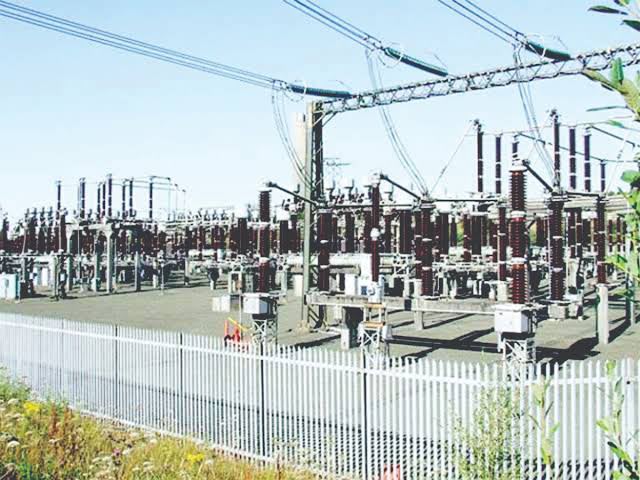
Nigeria’s only wholly state-owned power plant, Ibom Power Plc, has blamed a N28 billion debt owed by the Federal Government for the prolonged shutdown of its 191-megawatt facility in Akwa Ibom State. Speaking in an interview with Platforms Africa, the Managing Director of Ibom Power, Camillus Umoh, revealed that the plant generated electricity for fewer than 30 days out of the last 360 days in 2025 due to a lack of gas supply. According to Umoh, the crisis began after Acugas, the plant’s gas supplier, suspended deliveries over years of unpaid invoices and adopted a “pay-before-supply” policy to avoid accumulating further debts. He explained that even during the few days the plant was operational, it often generated only 30 to 40 percent of its installed capacity because of limited gas availability. Umoh said the debt owed to Ibom Power is part of the estimated N4 trillion legacy debt affecting Nigeria’s Electricity Supply Industry (NESI), where power generation companies are not fully paid for electricity supplied to the national grid. He disclosed that the Federal Government has paid N12.3 billion of the N28 billion owed to the company, leaving an outstanding balance of N15.7 billion. However, he noted that the repayment arrangement includes both cash and bonds, with the bonds redeemable only at a discount. He also pointed out that the debts are being settled without interest or compensation for years of depreciation. The prolonged liquidity challenges have also prevented the company from carrying out critical maintenance on its General Electric turbines, increasing operational risks. Beyond the gas shortage, Umoh highlighted transmission constraints as another major obstacle. He said the 51-year-old Aba–Itu transmission line can evacuate only about 60MW, while the Calabar–Itu transmission line has remained out of service for four years following repeated vandalism. Despite these setbacks, Umoh said the plant is capable of generating between 82MW and 83MW whenever gas is available more than Akwa Ibom State’s current electricity demand of between 65MW and 71MW. He added that the facility was originally designed to export electricity to other states and eventually expand its capacity to 685MW under a second phase. He stressed that while the technical challenges are manageable, resolving the sector’s liquidity crisis and ensuring reliable payment for electricity generated remain essential to restoring stable operations and preventing similar disruptions across Nigeria’s power sector.

Elections, Governance, Politics

Atiku’s Lobbyists Take Tinubu’s 1990s Forfeiture Case to Trump, US Congress

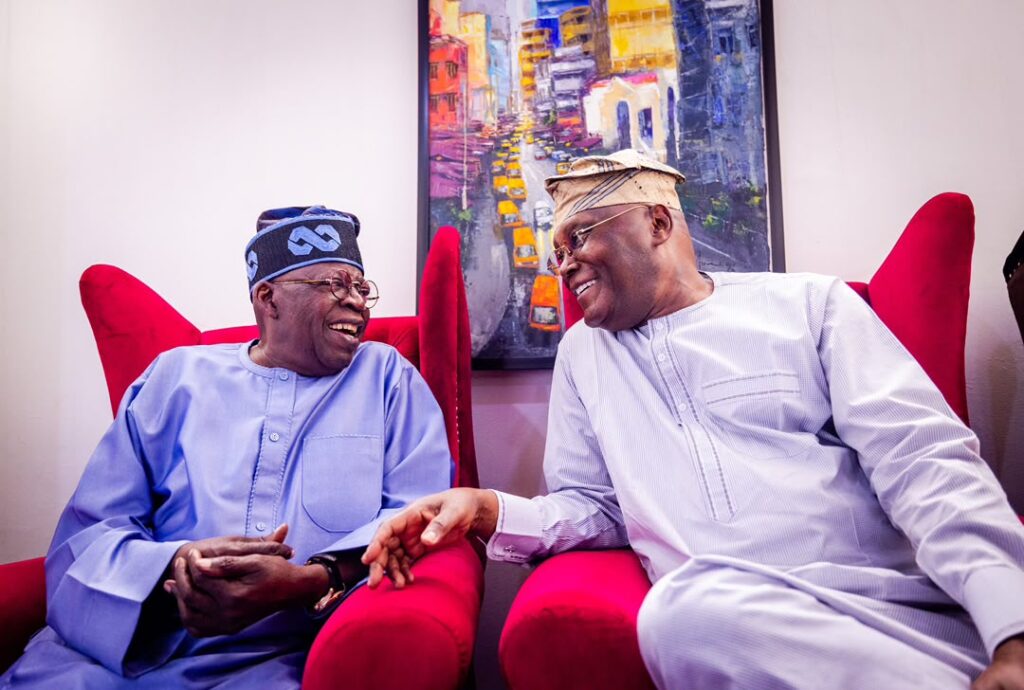
A United States lobbying firm retained by former Vice President Atiku Abubakar says it has submitted documents relating to President Bola Tinubu’s 1990s civil asset forfeiture case to officials in the administration of President Donald Trump and members of the U.S. Congress. The firm, Von Batten-Montague-York, disclosed the development in a post on its official X account, stating that it is acting under a 12-month lobbying contract valued at $1.2 million with Atiku. According to the firm, it has begun distributing more than 60 pages of U.S. Department of Justice documents following engagements with officials in the Trump administration, members of Congress and senior congressional staff. The documents relate to a U.S. Drug Enforcement Administration (DEA) and Department of Justice investigation conducted in the late 1980s and early 1990s. The matter involved allegations linking Tinubu to a heroin trafficking network and a 1993 civil asset forfeiture case in Chicago. In its statement, the firm said, “Many within the U.S. government were previously unaware of the DOJ’s allegations concerning Bola Tinubu. We are changing that.” It added that the decision to brief U.S. officials was influenced by the impact of drug trafficking in the United States, describing it as a problem that has claimed thousands of lives and affected countless families. For now, the firm said it has released only a chronology summarising the Department of Justice’s allegations, including the timeline of the investigation, court filings and the forfeiture judgment. It added that it intends to ensure the complete court filings, supporting affidavit and related federal court decisions are brought to President Trump’s attention. The 1993 case involved the forfeiture of $460,000 from bank accounts linked to Tinubu while he was a private citizen in the United States. Tinubu was not criminally charged, and his representatives have consistently maintained that the matter was resolved through a civil settlement without any admission of wrongdoing. The submission marks a renewed effort to draw international attention to decades-old U.S. court records as political activities ahead of Nigeria’s 2027 general election gather momentum. There was no immediate response from the Presidency or the White House at the time of the firm’s announcement. However, President Tinubu’s media team has previously dismissed renewed references to the case as politically motivated. The lobbying firm said it would continue pushing for wider circulation of the documents within the U.S. government, a move that could revive discussions around historical legal records and their implications for Nigeria-U.S. relations.

Governance, Politics

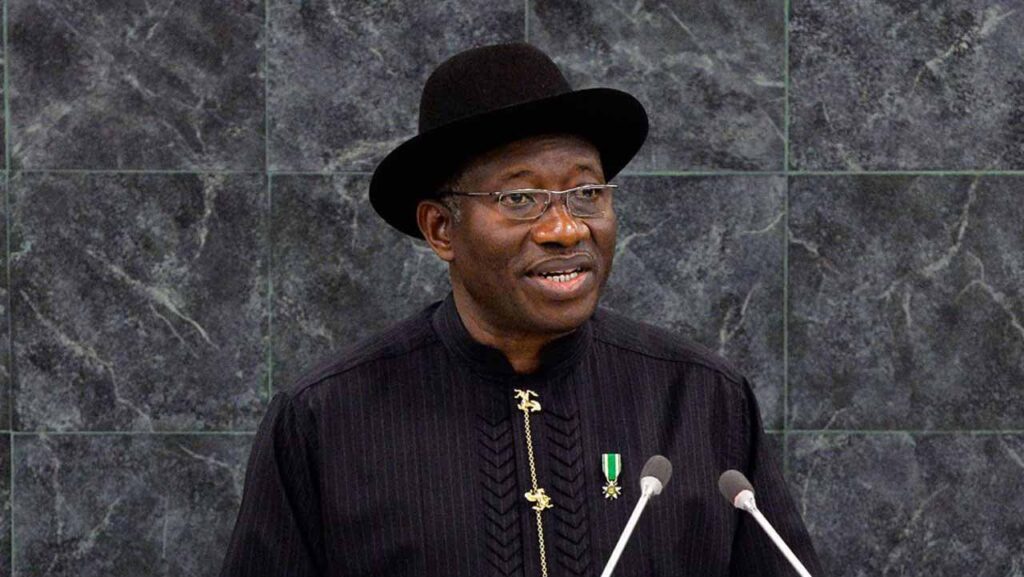
Jonathan: How China Inspired Nigeria’s Local Content Policy, NCDMB Milestones

Former President Goodluck Jonathan has revealed that Nigeria’s local content policy in the oil and gas sector was inspired by China’s success in developing its domestic petroleum industry. Jonathan made the disclosure at the SweetCrude Dialogue 2026 held at the Nigerian Content Tower in Yenagoa, Bayelsa State, where he reflected on the enactment of the Nigerian Oil and Gas Industry Content Development (NOGICD) Act, 2010, and the progress made by the Nigerian Content Development and Monitoring Board (NCDMB). According to the former president, the idea for the local content law took shape after a visit to China during his time as Deputy Governor of Bayelsa State, where he observed that virtually every aspect of the country’s oil industry relied on locally manufactured equipment, expertise and technology. He said the experience made him question why Nigeria, despite discovering crude oil around the same period as China, remained heavily dependent on foreign technology and services in its petroleum sector. Jonathan recalled signing the NOGICD Bill into law in April 2010, describing it as one of the most significant decisions of his administration because of its long-term impact on Nigeria’s economy and indigenous participation in the oil and gas industry. He commended the NCDMB for driving local content development over the years and praised the organisers of the SweetCrude Dialogue for creating a platform to discuss the future of Nigeria’s oil and gas industry. Speaking at the event, the Executive Secretary of the NCDMB, Felix Omatsola Ogbe, represented by the Board’s Director of Monitoring and Evaluation, Esueme Dan Kikile, said local content participation in Nigeria’s oil and gas industry had risen from less than five per cent in 2010 to 61 per cent in 2026. He attributed the growth to the Board’s enforcement of local content policies, human capacity development programmes and investments in strategic infrastructure aimed at strengthening indigenous participation across the sector. Among the projects highlighted were the 17-storey Nigerian Content Tower in Yenagoa, the Oloibiri Museum and Research Centre, the Nigerian Oil and Gas Parks Scheme in Bayelsa and Cross River states, gas processing infrastructure in Bayelsa, the Brass Shipyard project and the NCDMB’s Back-to-the-Creek Initiative. Ogbe said the initiatives were helping to transform oil-producing communities into centres of industrial development, technology and economic growth. Also speaking, Bayelsa State Governor Douye Diri, represented by Deputy Governor Lawrence Ewhrudjakpo, said Bayelsa was a fitting venue for discussions marking 70 years of oil and gas production in Nigeria because the state’s Oloibiri community is where crude oil was first discovered. Delta State Governor Sheriff Oborevwori, represented by his Chief of Staff, Johnson Erijo, urged stakeholders to remain committed to improving the welfare of host communities, while the Niger Delta Development Commission (NDDC) called for continued efforts to ensure oil-producing communities benefit from the region’s natural resources. Delivering the keynote address, Professor Ibibia Lucky Worika of Rivers State University said the oil and gas industry has shaped Nigeria’s economy, politics and development over the past seven decades but noted that the Niger Delta has also borne the environmental and social costs of oil exploration. He stressed the need for environmental justice, describing it as essential to sustainable development and the future of the region. Earlier, the convener of De Mangrove Conversations, Biobele Da-Wariboko, said the dialogue was created to preserve the history and contributions of the Niger Delta to Nigeria’s development while encouraging conversations on the future of the country’s energy sector.

Governance, Politics

Tinubu Appoints Fayose, Bindawa, 24 Others to Federal Boards

Federal Government (F) agencies and commissions have taken immediate effect following President Bola Tinubu’s approval of twenty-six new appointments, including the appointment of former Ekiti State Governor Ayo Fayose as chairman of the Rural Electrification Agency (REA) and Major General Junaid Bindawa as chairman of the National Salary and Wages Commission (NSWC). reports that Fayose will head the board of the REA alongside Alhaji Ahmadu Abubakar and Engineer Ilyasu Ibrahim Makinta, who were appointed as members and non-executive directors. The board also includes the agency’s Director General, Abba Abubakar Aliyu, and three executive directors previously appointed. The President also approved eight other appointments to the NSWC. Former member of the House of Representatives, Olajumoke Okoya Thomas, was appointed secretary of the commission. Dr Ogbole Ene Lilian, Oladele Olatubosun and Yakubu Umar Barde were appointed commissioners representing Benue, Oyo and Kaduna respectively. Dr Mai Adamu Yau from Borno, Ginika Florence Tor from Enugu, Engineer Lawrence Okoh from Edo and Bello Morenike Iyabode from Kogi were appointed as members of the commission. Tosin Johnson Adeyanju, previously appointed Executive Secretary of the National Lottery Trust Fund (NLTF), was redeployed as Secretary of the Revenue Mobilisation and Fiscal Commission (RMFC). President Tinubu also appointed Dr Abuh Mohammed as Director General of the National Population Commission (NPC), Dr Akinola Odeyemi as Managing Director of the Nigerian Bulk Electricity Trading (NBET) and Dr Anthony Inalegwu Godwin as Chairman and Chief Executive Officer of the Nigeria Atomic Energy Commission (NAEC). Engineer Julius Oloro was appointed Chief Executive Officer of the National Centre for Agricultural Mechanisation (NCAM) in Kwara, replacing Dr A.R. Kamal, who died in January. The President also constituted the board of the Fiscal Responsibility Commission (FRC) with Dr Abdullahi Maikano Saidu as chairman. Other board members are Mohammed Asmau, Mohammed Aliyu Makama, Dr Suleiman Gidado, Louis O. Ndukwe, Amaechi Ugwele and Olaniyi Idowu Onikola. Shuni Muhammad Dahiru was appointed Executive Secretary of the National Commission for Mass Literacy, Adult and Non-Formal Education (NCMLANFE), replacing Professor Shu’aibu Shehu Aliyu, who was reassigned to the Petroleum Trust Development Fund (PTDF) in April. President Tinubu also appointed Gisaor Vincent Iorja as Executive Director, Finance of the Federal Housing Authority (FFHA), replacing Mathias Byuan, who resigned to contest the Benue governorship election. Iorja currently serves as Secretary of the Benue State Independent Electoral Commission (BSIEC). All the appointments take immediate effect, according to a press statement signed by Bayo Onanuga, Special Adviser to the President on Information and Strategy, dated July 20, 2026.

Governance, Politics

Nigeria Seeks AU Action on Illicit Funds, Reaffirms Fight Against Terrorism

The Federal Government has called on the African Union (AU) to intensify efforts to curb illicit financial flows, warning that the growing threat of terrorism and violent extremism across Africa is being sustained by illegal funding. Nigeria also reaffirmed its commitment to strengthening regional and international partnerships aimed at combating terrorism and violent extremism. In a statement issued by the Minister of Foreign Affairs’ media aide, Magnus Eze, the government said the Minister of State for Foreign Affairs, Bianca Odumegwu-Ojukwu, made the call during the 1354th Ministerial Meeting of the African Union Peace and Security Council, held virtually on Tuesday. The meeting was chaired by Uganda’s Acting Minister of Foreign Affairs and Chairperson of the AU Peace and Security Council for July 2026, Haruna Kasolo. Speaking at the meeting, Odumegwu-Ojukwu identified illicit financing as one of the biggest obstacles to defeating terrorism in Africa, saying it enables extremist groups to recruit young people and acquire sophisticated weapons. “A major obstacle to progress in the fight against terrorism in Africa is access to illicit funds. It facilitates the recruitment of youths and the procurement of lethal weapons by terrorist groups. We call on the Peace and Security Council to strengthen international cooperation in preventing, tracing, recovering and returning proceeds of illicit financial flows from safe havens to their countries of origin,” she said. The minister noted that terrorist organisations across the continent have become increasingly resilient, adopting commercially available technologies such as drones and advanced digital platforms while financing their operations through kidnapping for ransom and illegal mining activities. She reiterated Nigeria’s condemnation of terrorism and violent extremism in all forms, expressing solidarity with victims and commending the sacrifices of security personnel engaged in counter-terrorism operations across Africa. Odumegwu-Ojukwu also warned that the spread of terrorism in West Africa has been used by military regimes as justification for unconstitutional takeovers of democratically elected governments. She urged African leaders to translate into action the commitments made during the 2022 AU Extraordinary Summit on Counter-Terrorism in Malabo and the 2024 High-Level African Counter-Terrorism Meeting held in Abuja. The minister cautioned against portraying Africa as the global epicentre of terrorism, arguing that such narratives could lead to the unfair profiling and mistreatment of innocent Africans at international airports and other destinations. Highlighting Nigeria’s counter-terrorism strategy, she said the country has adopted a comprehensive approach that combines military operations with non-military interventions. According to her, sustained security operations have significantly weakened the operational capacity of Boko Haram and ISWAP while restoring government authority in many affected communities. She added that the government is targeting terrorist financiers, rehabilitating and reintegrating repentant ex-combatants, and addressing the root causes of extremism through investments in education, infrastructure, youth empowerment and community resilience. Odumegwu-Ojukwu said Nigeria is also working closely with neighbouring countries through the ECOWAS Regional Counter-Terrorism Strategy and the Early Warning and Response Network to strengthen intelligence sharing, border security and coordinated responses to security threats. She described the Multinational Joint Task Force (MNJTF) as a model for regional cooperation in combating terrorism on the continent. The minister further endorsed stronger intelligence-sharing among AU member states, efforts to dismantle terrorist financing networks, improved early warning systems, enhanced cybersecurity, and the development of continental guidelines for the responsible use of artificial intelligence in preventing and combating terrorism. She also called on international partners to adopt a zero-tolerance approach to terrorism by preventing non-state actors from acquiring arms, drones, dual-use technologies and other sophisticated weapons, while taking stronger measures to curb the illicit trade that fuels terrorist activities across Africa.

Governance, Politics

Abbas Sets Up Probe Panel Over Fake Agency Scandal Today

The Speaker of the House of Representatives, Tajudeen Abbas, is set to inaugurate an ad hoc committee to investigate the controversial inclusion of the unestablished Presidential Foreign Investment Promotion Council (PFIPC) in the 2026 Appropriation Act. The move comes amid fresh criticism over the exclusion of the President’s Chief of Staff, Femi Gbajabiamila, from the list of witnesses invited to appear before the committee. The inauguration and public hearing will be held at the National Assembly Complex in Abuja, in line with Sections 88 and 89 of the 1999 Constitution (as amended), which empower the National Assembly to investigate matters relating to public institutions and the management of public funds. The committee, chaired by the lawmaker representing Kanke/Kanam/Pankshin Federal Constituency of Plateau State, Yusuf Gagdi, was constituted following a resolution of the House of Representatives. Its mandate is to investigate how budgetary provisions amounting to about N1.32 billion were allocated to the Presidential Foreign Investment Promotion Council, an agency that had not been legally established. The investigation follows the arrest of Adeyemi Adeniyi, who allegedly presented himself as the Director-General of the PFIPC and is accused of facilitating the inclusion of the agency in the 2026 budget despite its non-existence. The controversy intensified after Adeniyi reportedly alleged that he paid N100 million through intermediaries to Femi Gbajabiamila to facilitate the establishment of the agency. The allegation has been denied by both the Presidency and the Office of the Chief of Staff. According to the committee’s invitation, signed by Chairman Yusuf Gagdi, the hearing will bring together key government officials, civil society organisations, professional bodies, development partners, the media and members of the public. Those invited include the Minister of Budget and Economic Planning, the Minister of Finance, the Minister of Industry, Trade and Investment, the Attorney-General of the Federation and Minister of Justice, and the Minister of Foreign Affairs. Also expected to appear before the committee are the Governor of the Central Bank of Nigeria, the Executive Chairman of the Economic and Financial Crimes Commission (EFCC), the Chairman of the Independent Corrupt Practices and Other Related Offences Commission (ICPC), the Auditor-General for the Federation and the Chairman of the Fiscal Responsibility Commission. Other invited officials include the Head of the Civil Service of the Federation, the Secretary to the Government of the Federation, the Executive Secretary of the Nigerian Investment Promotion Commission (NIPC), the Director-General of the Department of State Services (DSS) and the Inspector-General of Police. The committee also called on stakeholders, professional bodies, civil society organisations, relevant institutions and members of the public to submit memoranda relating to its terms of reference. Among its key responsibilities is determining how the PFIPC was included in the 2026 Appropriation Act despite lacking legal status. The panel will also trace the budget provision from the executive proposal through legislative consideration to identify the stage at which the allocation was inserted. However, the committee’s decision not to invite either Gbajabiamila or Adeniyi has drawn criticism from some quarters. The House of Representatives constituted the investigative panel amid growing public concern over alleged irregularities in the 2026 budget, particularly the allocation of more than N1.3 billion to an agency the Federal Government says has not been legally established.

Governance

Shettima Travels to Sierra Leone for ECOWAS Leaders’ Summit

Vice President Kashim Shettima has departed Abuja to represent President Bola Tinubu at the 69th Ordinary Session of the Authority of Heads of State and Government of the Economic Community of West African States (ECOWAS) in Freetown, Sierra Leone. The development was disclosed in a statement issued on Sunday by the Senior Special Assistant to the President on Media and Communications in the Office of the Vice President, Stanley Nkwocha. According to the statement, Shettima will join Heads of State, political leaders, business executives and other stakeholders from across West Africa and beyond at the summit, which will be held at the Julius Maada Bio International Conference Centre in Freetown. The summit is expected to deliberate on key policy issues, adopt strategic resolutions and reaffirm the commitment of ECOWAS leaders to promoting peace, democracy, economic growth and regional integration across the sub-region. The statement noted that the gathering forms part of the ECOWAS mid-year statutory meetings and will bring together Heads of State and Government, ministers, senior government officials and regional institutions to advance the bloc’s shared priorities. These priorities include strengthening regional security, promoting democratic governance, deepening economic integration, expanding trade, improving infrastructure and advancing sustainable development. The ECOWAS summit is also expected to provide a platform for leaders to address emerging political and economic challenges facing West Africa while exploring measures to enhance regional cooperation and collective prosperity. According to the statement, Vice President Shettima will return to Abuja after concluding his official engagements in Sierra Leone.

Governance, Politics

Tinubu’s BCDA Appointee at Centre of Presidency Power Clash

Three weeks after President Bola Tinubu announced the appointment of Dr Abdulrazak Namdas as Director-General of the Border Communities Development Agency (BCDA), the Secretary to the Government of the Federation (SGF), George Akume, has been accused of withholding his appointment letter. The development has sparked a leadership crisis within the agency, as the immediate past chief executive, Dr Dakorinama George, continues to perform official duties despite the President’s directive appointing a new head. The Presidency had, on June 26, announced Namdas’ appointment through a statement issued by the President’s Special Adviser on Information and Strategy, Bayo Onanuga. The statement said Namdas, a former spokesperson for the House of Representatives, was appointed to replace George, who had resigned to contest an elective position in his home state. The statement read in part: “President Bola Ahmed Tinubu has appointed Abdulrazak Sa’ad Namdas as the new Director-General of the Border Communities Development Agency. Dr Namdas replaces Dr Dakorinama Alabo George, who resigned to contest for an elective post in his home state. “President Tinubu also announced the appointment of Hon. Patrick Obahiagbon as Executive Director, Strategy and Commercial, of the Niger Delta Power Holding Company. He also reappointed Mr Chukwuma Umeoji as Executive Director, Corporate Services, of the NDPHC. The appointments take immediate effect.” However, more than three weeks after the announcement, Sunday PUNCH gathered that Namdas has yet to assume office because the formal appointment letter conveying the President’s directive has not been issued. Meanwhile, George has continued to occupy the office, preside over official engagements and represent the agency at high level government meetings. One such engagement took place on July 9, when George met with the Minister of Finance and Coordinating Minister of the Economy, Wale Edun, in Abuja to seek intervention for the release of funds for BCDA projects. A statement published by Rivers-based news platform, Port Harcourt Force, alongside photographs from the meeting, repeatedly described George as the Executive Secretary of the agency. According to the statement, George congratulated the minister on his appointment and appealed for the timely release of budgetary allocations for ongoing infrastructure projects in border communities across the country. He was also quoted as saying the BCDA had facilitated a proposed $2 billion Chinese investment in a livestock processing hub in Maigatari, Jigawa State, and was working with security agencies on plans to establish a Border Communities Intelligence Corps. The continued discharge of official duties by George has raised questions over who currently exercises lawful authority over the agency. Speaking during an interview on Trust TV monitored by Sunday PUNCH on Thursday, APC chieftain Hamman Yero alleged that the delay was caused by the SGF’s failure to transmit the President’s appointment. He questioned why Namdas had yet to receive his appointment letter despite the Presidency’s public announcement. “This is a mandate given to the President by Nigerians. On whose mandate is the SGF acting?” Yero asked. “If the President directs that Namdas should be appointed and the SGF keeps the appointment letter without releasing it, then serious constitutional and administrative questions arise.” According to him, once a presidential appointment is approved, the process should seamlessly move from presidential approval to the issuance of an appointment letter through the Office of the Secretary to the Government of the Federation. “It is the Chief of Staff who normally transmits presidential approvals to the SGF for implementation. Is the Chief of Staff aware that Namdas has still not received his appointment letter? If he wasn’t aware before, he certainly should be aware now,” he added. Yero also dismissed reports suggesting that George’s appointment had been restored, arguing that the lingering uncertainty raised broader concerns about compliance with presidential directives. The controversy mirrors a similar leadership dispute that occurred at the Nigerian Postal Service (NIPOST) in October 2023. At the time, President Tinubu appointed Tola Odeyemi as Postmaster-General and Chief Executive Officer of NIPOST after removing Sunday Adepoju. Days later, NIPOST announced that Adepoju had been reinstated, creating confusion over the agency’s leadership. The crisis escalated when workers locked the agency’s headquarters in Abuja and resisted Odeyemi’s resumption before the Presidency reaffirmed her appointment. She eventually assumed office on October 16, 2023, bringing the dispute to an end. Sunday PUNCH also learnt from multiple sources within the BCDA that George never fully relinquished control of the agency after resigning to pursue the APC governorship ticket in Rivers State. One senior official, who requested anonymity because he was not authorised to speak publicly, alleged that George quietly returned to the agency after losing the APC governorship primary. “He resigned to contest the governorship. After losing, he simply returned and resumed activities without any formal handover,” the source claimed. The official further alleged that George continued to enjoy strong political backing within the administration. According to the source, George’s continued presence at the agency is linked to his relationship with the Minister of the Federal Capital Territory, Nyesom Wike, under whom he served as Rivers State Commissioner for Works. “It was Wike who nominated him for the BCDA appointment in 2024. That relationship explains why he has remained influential despite his resignation,” the source alleged. Sunday PUNCH could not independently verify the claim. However, one of George’s allies dismissed the allegation as mere speculation. “Wike is also an appointee of the President and cannot wield such powers,” the ally said. When contacted, Presidential spokesman Bayo Onanuga maintained that the President’s decision remained unchanged. “As far as I know, the President has not changed his mind. Namdas remains the Executive Secretary of the agency. “All these things they are talking about, they don’t know what they are talking about. The President has not changed his mind about the appointment of Namdas as the head of that border agency,” he said. Asked why Namdas had yet to assume office, Onanuga explained that the issuance of the appointment letter falls under the responsibility of the Office of the Secretary to the Government of the Federation. “His appointment has been communicated to the