The Click Report

Audio Brief

Listen to the latest top stories and editorial summary.

Author name: clickreportteam

Public Affairs

2027: PFN Rejects Muslim-Muslim Ticket, Raises Alarm Over Preaching Laws

The Pentecostal Fellowship of Nigeria (PFN) has opposed the idea of a Muslim-Muslim presidential ticket for the 2027 general elections, insisting that Nigeria’s leadership should reflect the country’s religious and ethnic diversity. In a communiqué issued after its National Executive Council (NEC) meeting, the Christian body said inclusive governance is essential for promoting national unity, fairness and public trust. The statement follows the All Progressives Congress’ adoption of President Bola Tinubu and Vice President Kashim Shettima as its presidential ticket for the 2027 election. The PFN also expressed concern over proposals that could restrict public preaching, arguing that such measures would violate the constitutional rights to freedom of religion and expression. While acknowledging the need for lawful regulations to maintain public order, the fellowship stressed that such laws must not be used to suppress religious activities or limit freedom of worship. The organisation urged governments at all levels to uphold the provisions of the Constitution and called on Christians to remain peaceful, law-abiding and committed to constructive dialogue in the interest of national unity and cohesion.

Public Affairs

Lagos Bridge Crash: One Dead, Heavy Traffic After Multiple Trucks Collide

Traffic was brought to a standstill on the Lagos-Ibadan Expressway on Friday after a multi-vehicle crash on Kara Bridge left one person dead and triggered a massive gridlock. According to the Lagos State Traffic Management Authority (LASTMA), the accident involved three articulated trucks, two Canter trucks, a Sienna vehicle, and a trailer transporting chemicals that overturned on the bridge. The crash blocked a significant section of the expressway, causing heavy traffic that stretched from Kara through Berger to Otedola Bridge. Emergency responders from LASTMA, the Lagos State Emergency Management Agency (LASEMA), the Federal Road Safety Corps (FRSC), and the Nigeria Police Force arrived at the scene to manage the situation and begin rescue and clearance operations. A motor boy who was trapped in the wreckage was confirmed dead at the scene. His body was later recovered by emergency officials. Reacting to the incident, LASTMA General Manager, Olalekan Bakare-Oki, urged truck operators to ensure their vehicles are roadworthy and to avoid reckless driving to prevent similar accidents. He also advised motorists to use alternative routes through Isheri-Olowora and Ogunnusi while efforts to clear the affected section of the expressway continue.

Sports

Nigeria Drop to Fourth in Africa in New FIFA Rankings Following Egypt’s World Cup Run

Nigeria’s Super Eagles have retained their 26th position in the latest FIFA Men’s World Rankings but have dropped to fourth in Africa following Egypt’s impressive run at the 2026 FIFA World Cup. The rankings, released by FIFA on Monday, show Nigeria unchanged on 1,585.2 points. The Super Eagles remain ahead of Turkey, Australia, Algeria, Canada and Ivory Coast, who occupy 27th to 31st positions respectively. Nigeria have not played a competitive match since June, when Eric Chelle’s side suffered a 2-1 defeat to Portugal in an international friendly. Although their global ranking remains unchanged, the Super Eagles lost their place among Africa’s top three after Egypt advanced to the Round of 16 at the World Cup before losing 3-2 to Argentina. The Pharaohs’ strong tournament performance lifted them above Nigeria in the continental rankings. Morocco remain Africa’s highest-ranked team after reaching the World Cup quarter-finals, climbing one place to sixth in the world. Senegal continue to rank second in Africa despite slipping three places globally, while Algeria remain fifth on the continent after dropping one spot in the world rankings. Despite missing out on the 2026 World Cup, Nigeria remain the second-highest-ranked nation not to qualify for the tournament, behind Denmark, who are 21st in the world. The Super Eagles’ absence from the expanded 48-team competition has continued to draw criticism from football personalities. Former England captain John Terry recently described Nigeria as one of the biggest teams missing from this year’s tournament. Nigeria narrowly missed qualification after finishing second behind South Africa in their CAF qualifying group. They kept their hopes alive by defeating Gabon in the playoff semi-final but were eliminated after losing to the Democratic Republic of Congo on penalties in the playoff final. The defeat marked Nigeria’s second consecutive failure to qualify for the FIFA World Cup, having also missed the 2022 edition in Qatar. Following the playoff loss, the Nigeria Football Federation challenged DR Congo’s qualification, alleging the team fielded ineligible players during the campaign. FIFA dismissed the appeal. At the top of the latest rankings, newly crowned world champions Spain reclaimed the No. 1 spot after winning the 2026 FIFA World Cup. Argentina dropped to second, while France, England and Brazil complete the top five. FIFA is scheduled to release its next men’s world rankings on October 7, 2026.

Sports

Jayden Adams’ Baby Mama Honours Late Star, Fans Spot Striking Resemblance

Jody Solomons, the mother of one of late South African footballer Jayden Adams’ children, has paid an emotional tribute to the former Bafana Bafana midfielder in a touching TikTok post that has resonated with football fans across South Africa. The video features their son, Jude, alongside the song Sengithole Omunye by Feza featuring Chulumanco M, a track that became synonymous with Adams after clips of him dancing to it with teammate Oswin Appollis during the 2026 FIFA World Cup went viral. The tribute comes just days after Adams’ tragic death. Reports indicate that the midfielder died by suicide shortly after returning from the World Cup, where he played a key role in helping South Africa reach the knockout stages. Born in 2024, Jude appeared in a collection of photos shared by Solomons, with many social media users commenting on the striking resemblance between the toddler and his late father. Adams’ passing has left the South African football community in mourning, with teammates, supporters and football stakeholders remembering him as one of the country’s most promising talents. At the time of his death, Adams was in a long-term relationship with Aqueelah Adendorf. The couple, who were reportedly together from 2021, share a five-year-old daughter, Allaia-Jayda. Although the details surrounding Adams’ relationship with Solomons have not been made public, she has previously shared TikTok posts about raising Jude largely as a single mother. In one post, Solomons reflected on motherhood, saying she believed she was meant to become a mother even if marriage or a romantic relationship was never part of her life journey. In another, she suggested she had been left to raise Jude without support despite once being in a relationship with his father. Following Adams’ death, Solomons also shared a separate tribute dedicated to the late footballer. The loss has been deeply felt within the Bafana Bafana camp. Speaking during a memorial service in Stellenbosch on July 16, captain Ronwen Williams vowed that the national team would continue to honour Adams’ memory every time they took to the field. Adams’ father, Juanito Adams, has also spoken about the family’s grief, expressing appreciation for the outpouring of love and support received from the football community during the difficult period.

Governance, Politics

Tinubu Appoints Fayose, Bindawa, 24 Others to Federal Boards

Federal Government (F) agencies and commissions have taken immediate effect following President Bola Tinubu’s approval of twenty-six new appointments, including the appointment of former Ekiti State Governor Ayo Fayose as chairman of the Rural Electrification Agency (REA) and Major General Junaid Bindawa as chairman of the National Salary and Wages Commission (NSWC). reports that Fayose will head the board of the REA alongside Alhaji Ahmadu Abubakar and Engineer Ilyasu Ibrahim Makinta, who were appointed as members and non-executive directors. The board also includes the agency’s Director General, Abba Abubakar Aliyu, and three executive directors previously appointed. The President also approved eight other appointments to the NSWC. Former member of the House of Representatives, Olajumoke Okoya Thomas, was appointed secretary of the commission. Dr Ogbole Ene Lilian, Oladele Olatubosun and Yakubu Umar Barde were appointed commissioners representing Benue, Oyo and Kaduna respectively. Dr Mai Adamu Yau from Borno, Ginika Florence Tor from Enugu, Engineer Lawrence Okoh from Edo and Bello Morenike Iyabode from Kogi were appointed as members of the commission. Tosin Johnson Adeyanju, previously appointed Executive Secretary of the National Lottery Trust Fund (NLTF), was redeployed as Secretary of the Revenue Mobilisation and Fiscal Commission (RMFC). President Tinubu also appointed Dr Abuh Mohammed as Director General of the National Population Commission (NPC), Dr Akinola Odeyemi as Managing Director of the Nigerian Bulk Electricity Trading (NBET) and Dr Anthony Inalegwu Godwin as Chairman and Chief Executive Officer of the Nigeria Atomic Energy Commission (NAEC). Engineer Julius Oloro was appointed Chief Executive Officer of the National Centre for Agricultural Mechanisation (NCAM) in Kwara, replacing Dr A.R. Kamal, who died in January. The President also constituted the board of the Fiscal Responsibility Commission (FRC) with Dr Abdullahi Maikano Saidu as chairman. Other board members are Mohammed Asmau, Mohammed Aliyu Makama, Dr Suleiman Gidado, Louis O. Ndukwe, Amaechi Ugwele and Olaniyi Idowu Onikola. Shuni Muhammad Dahiru was appointed Executive Secretary of the National Commission for Mass Literacy, Adult and Non-Formal Education (NCMLANFE), replacing Professor Shu’aibu Shehu Aliyu, who was reassigned to the Petroleum Trust Development Fund (PTDF) in April. President Tinubu also appointed Gisaor Vincent Iorja as Executive Director, Finance of the Federal Housing Authority (FFHA), replacing Mathias Byuan, who resigned to contest the Benue governorship election. Iorja currently serves as Secretary of the Benue State Independent Electoral Commission (BSIEC). All the appointments take immediate effect, according to a press statement signed by Bayo Onanuga, Special Adviser to the President on Information and Strategy, dated July 20, 2026.

Public Affairs

ANLCA MMAC Crisis Worsens as Chapter Alleges Court Order Misrepresentation

The leadership of the ANLCA Murtala Muhammed Airport Command (MMAC) Chapter has dismissed the recent court order sought by the Association’s Board of Trustees (BOT), insisting that the ruling was obtained through misrepresentation and would not withstand legal scrutiny.In a statement issued on behalf of the chapter, the MMAC leadership maintained that the dispute over control of the chapter’s secretariat is not new, noting that the BOT had, over the past four years, repeatedly approached the courts in an effort to gain control of the facility without lasting success.According to the statement, the latest court order tailed to disclose that the secretariat had beensealed by the Nigeria Police Force as a crime scene following an ongoing investigation. The chapter argued that the court would not have granted the order if it had been informed of the true status ofthe property.The chapter also alleged that the counsel representing the BOT in the matter had earlier secured bail for BOT members facing a criminal case instituted by the Inspector-General of Police and had undertaken before the court that his clients would not interfere with evidence or witnesses during the bail period. It further claimed that the court was led to believe the dispute was a fresh disagreement between the Police and the BOT, describing the development as an abuse of court process that would be corrected once all relevant facts were presented.Recounting the history of the leadership crisis, the MMAC chapter said previous attempts by the BOT and the National Executive Committee (NECOM) toinaugurate a new executive without conducting an election were resisted in court.The statement recalled that a competent court eventually declared Hon. Bola Ashiru-Balogun as the duly elected Chairman of ANLCA MMAC, adding that although the BOT appealed the judgment, it later withdrew the appeal, effectively affirming his mandate.Following the judgment, the chapter said the Police reopened the secretariat to enable Ashiru-Balogun assume office before the facility was later sealed again after an alleged break-in, which is now under police investigation.The chapter accused the BOT of acting outside the provisions of the ANLCA Constitution, insisting that neither the BOT nor NECOM possesses the constitutional authority to remove a duly elected executive committee and replace it without an election. It maintained that political offices within the association can only be occupied through democratic elections and warned against what itdescribed as attempts to undermine members’ electoral mandate.The MMAC leadership disclosed that all parties involved in the dispute had been invited to appear before the Inspector-General of Police in Abuja on July 30, expressing confidence that the issues would be addressed through due process.The statement urged members of the association to remain calm and allow the ongoing legal and police processes to take their course.

Elections, Politics

2027: Kwankwasiyya-Shekarau Alliance Endorses Gov Yusuf for Re-election

The Kwankwasiyya-Shekarau Unity Forum has declared its support for Kano State Governor Abba Kabir Yusuf and announced a change of name to Abba Gida-Gida–Shekarau Unity Forum. The declaration was made during a visit by members of the group to the Kano State Commissioner for Information and Internal Affairs, Ibrahim Abdullahi Waiya. Speaking during the visit, the forum’s chairman, Alhaji Ahmed Saminu (DOC), said the group was established following the merger of members from the All Progressives Congress (APC) and the Peoples Democratic Party (PDP) in 2023 to work for the success of the Kwankwasiyya movement. According to him, although their political leader, Malam Ibrahim Shekarau, later left the movement, many members remained loyal but were not initially recognised for their contributions. He credited the Commissioner for Information with bringing the group closer to the state government and giving its members a sense of belonging. “That is why we are here today to declare our total support for Governor Abba Kabir Yusuf and to rename our organisation as the Abba Gida-Gida–Shekarau Unity Forum,” Saminu said. He added that the forum believes Governor Yusuf deserves continued support because of what it described as his achievements since assuming office. Saminu praised the administration’s performance in education, healthcare, security, youth and women empowerment, road construction and infrastructure development, saying these accomplishments influenced the group’s decision to publicly back the governor. In his response, Commissioner Ibrahim Abdullahi Waiya thanked the members for their support and described them as committed politicians who have chosen to prioritise the development of Kano State. He said their endorsement of Governor Yusuf for a second term reflected confidence in the administration’s performance and commitment to delivering the dividends of democracy. Waiya also dismissed criticism of the governor, insisting that it would not distract the administration from its development agenda. He assured the forum that the state government would continue to work closely with the group as part of efforts to secure victory in the 2027 general elections.

Banking, Business

CBN’s Cardoso Says Naira Should Compete, Not Be Shielded

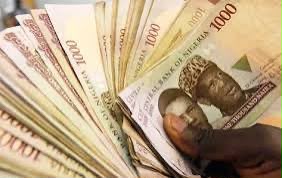
Governor of the Central Bank of Nigeria (CBN), Olayemi Cardoso, has said the naira should remain market-driven and competitive rather than being artificially supported, as the apex bank retained its benchmark interest rate and reaffirmed its commitment to reducing inflation to single digits. Cardoso made the remarks after the Monetary Policy Committee (MPC) meeting in Abuja on Tuesday, where the committee left the Monetary Policy Rate (MPR) unchanged at 26.5 per cent. His comments come weeks after the International Monetary Fund (IMF) said the naira remains undervalued despite recent gains against the United States dollar in both the official and parallel foreign exchange markets. The IMF estimated that the naira is trading about 25.6 per cent below its value based on Nigeria’s economic fundamentals, even after recent foreign exchange reforms introduced by the Federal Government. Responding to the assessment, Cardoso defended the CBN’s exchange-rate reforms, insisting that the bank remains committed to a transparent and liquid foreign exchange market where prices are determined by willing buyers and willing sellers. “Our focus is to sustain a transparent and liquid market driven by willing buyers and willing sellers. Nigeria needs a competitive currency whose value is determined by economic fundamentals such as stronger oil and non-oil exports, increased foreign direct investment, improved domestic productivity and lower import dependence,” he said. He added that the foreign exchange market has become more transparent, with daily turnover at times exceeding one billion dollars, reflecting growing confidence in the reforms introduced by the apex bank. Announcing the outcome of the MPC meeting, Cardoso said the committee retained the Monetary Policy Rate at 26.5 per cent, maintained the asymmetric corridor at +50/-450 basis points, kept the Cash Reserve Ratio (CRR) at 45 per cent for deposit money banks and 16 per cent for merchant banks, retained the 75 per cent CRR on non-Treasury Single Account public sector deposits, and left the liquidity ratio unchanged at 30 per cent. He explained that the decision followed a careful assessment of moderating domestic inflation and growing global uncertainties, particularly renewed tensions in the Middle East, which could trigger higher energy prices and increase inflationary pressures. According to Cardoso, headline inflation eased slightly to 15.91 per cent in June from 15.93 per cent in May, ending three consecutive months of increases. Core inflation also declined to 15.92 per cent from 16.82 per cent, supported largely by exchange-rate stability. However, he noted that food inflation rose to 17.52 per cent due to supply disruptions in major food-producing areas and higher transportation costs. He said the moderation in inflation suggests that the central bank’s monetary tightening measures are beginning to deliver results, despite external challenges. “We are pleased that inflation has moderated, albeit slightly. That gives us an indication that the tools we have implemented so far are beginning to produce results,” Cardoso said. He acknowledged that the conflict in the Middle East had slowed the pace of disinflation but reaffirmed the CBN’s determination to restore price stability. “We will do what is necessary to contain inflation and bring it down to single digits, which remains our target,” he added. The MPC projected that inflation would continue to ease over the medium term, supported by exchange-rate stability, the delayed effects of previous monetary tightening and improved food supply during the harvest season. It, however, warned that a prolonged escalation of the Middle East conflict remains a major risk to the outlook. Cardoso also highlighted improvements in key macroeconomic indicators, revealing that Nigeria’s gross external reserves increased to $52.52 billion as of July 17, up from $50.47 billion at the end of May, providing enough cover for about 11 months of imports. He further disclosed that the Purchasing Managers’ Index (PMI) returned to expansion territory at 50.1 in June, indicating improving business activity. The CBN governor stressed the need for stronger coordination between fiscal and monetary authorities to improve the effectiveness of policies aimed at controlling inflation, maintaining macroeconomic stability and supporting economic growth. Addressing concerns over reduced bank lending, Cardoso described the slowdown as temporary, attributing it to the withdrawal of COVID-19 regulatory forbearance, ongoing bank recapitalisation and loan portfolio restructuring. He expressed confidence that lending would recover as banks complete the transition. He also reassured Nigerians that all existing banknotes and coins remain legal tender, explaining that the reduced circulation of lower denominations is largely due to declining demand as digital payments become more widely adopted. According to him, the CBN will continue to promote financial inclusion through expanded digital payment systems and other initiatives aimed at increasing access to financial services across the country.

Governance, Politics

Nigeria Seeks AU Action on Illicit Funds, Reaffirms Fight Against Terrorism

The Federal Government has called on the African Union (AU) to intensify efforts to curb illicit financial flows, warning that the growing threat of terrorism and violent extremism across Africa is being sustained by illegal funding. Nigeria also reaffirmed its commitment to strengthening regional and international partnerships aimed at combating terrorism and violent extremism. In a statement issued by the Minister of Foreign Affairs’ media aide, Magnus Eze, the government said the Minister of State for Foreign Affairs, Bianca Odumegwu-Ojukwu, made the call during the 1354th Ministerial Meeting of the African Union Peace and Security Council, held virtually on Tuesday. The meeting was chaired by Uganda’s Acting Minister of Foreign Affairs and Chairperson of the AU Peace and Security Council for July 2026, Haruna Kasolo. Speaking at the meeting, Odumegwu-Ojukwu identified illicit financing as one of the biggest obstacles to defeating terrorism in Africa, saying it enables extremist groups to recruit young people and acquire sophisticated weapons. “A major obstacle to progress in the fight against terrorism in Africa is access to illicit funds. It facilitates the recruitment of youths and the procurement of lethal weapons by terrorist groups. We call on the Peace and Security Council to strengthen international cooperation in preventing, tracing, recovering and returning proceeds of illicit financial flows from safe havens to their countries of origin,” she said. The minister noted that terrorist organisations across the continent have become increasingly resilient, adopting commercially available technologies such as drones and advanced digital platforms while financing their operations through kidnapping for ransom and illegal mining activities. She reiterated Nigeria’s condemnation of terrorism and violent extremism in all forms, expressing solidarity with victims and commending the sacrifices of security personnel engaged in counter-terrorism operations across Africa. Odumegwu-Ojukwu also warned that the spread of terrorism in West Africa has been used by military regimes as justification for unconstitutional takeovers of democratically elected governments. She urged African leaders to translate into action the commitments made during the 2022 AU Extraordinary Summit on Counter-Terrorism in Malabo and the 2024 High-Level African Counter-Terrorism Meeting held in Abuja. The minister cautioned against portraying Africa as the global epicentre of terrorism, arguing that such narratives could lead to the unfair profiling and mistreatment of innocent Africans at international airports and other destinations. Highlighting Nigeria’s counter-terrorism strategy, she said the country has adopted a comprehensive approach that combines military operations with non-military interventions. According to her, sustained security operations have significantly weakened the operational capacity of Boko Haram and ISWAP while restoring government authority in many affected communities. She added that the government is targeting terrorist financiers, rehabilitating and reintegrating repentant ex-combatants, and addressing the root causes of extremism through investments in education, infrastructure, youth empowerment and community resilience. Odumegwu-Ojukwu said Nigeria is also working closely with neighbouring countries through the ECOWAS Regional Counter-Terrorism Strategy and the Early Warning and Response Network to strengthen intelligence sharing, border security and coordinated responses to security threats. She described the Multinational Joint Task Force (MNJTF) as a model for regional cooperation in combating terrorism on the continent. The minister further endorsed stronger intelligence-sharing among AU member states, efforts to dismantle terrorist financing networks, improved early warning systems, enhanced cybersecurity, and the development of continental guidelines for the responsible use of artificial intelligence in preventing and combating terrorism. She also called on international partners to adopt a zero-tolerance approach to terrorism by preventing non-state actors from acquiring arms, drones, dual-use technologies and other sophisticated weapons, while taking stronger measures to curb the illicit trade that fuels terrorist activities across Africa.

Politics

Atiku Faults Tinubu Over N8.05bn Appropriation for Religious Centres

Former Vice President Atiku Abubakar has criticised the Tinubu administration over the alleged allocation of ₦8.05 billion for mosque- and church-related projects in the proposed 2026 budget, describing the expenditure as inappropriate at a time when millions of Nigerians are struggling with poverty. In a statement issued by his Senior Special Assistant on Public Communication, Phrank Shaibu, Atiku said public funds should be managed transparently and questioned the rationale behind the allocations. Citing an analysis by public accountability organisation Tracka, he said about ₦6.14 billion was earmarked for mosque-related projects, while ₦1.91 billion was allocated to church-related projects. The African Democratic Congress (ADC) presidential candidate for the 2027 election said that although religion occupies an important place in society, it should not be used to shield public spending from scrutiny. According to him, many of the budget provisions do not clearly identify the beneficiary churches, mosques or project locations, making independent verification difficult. “Under Nigerian law, religious bodies generally operate as Incorporated Trustees with distinct legal identities. If public funds are appropriated for projects involving such bodies, Nigerians have a right to know exactly which churches, which mosques and in which communities those projects will be executed,” he said. Atiku challenged the Federal Government to publish the names of all beneficiary institutions, project locations, implementing agencies and the legal basis for the allocations if the projects are legitimate. He warned that failure to provide such details could strengthen public perceptions that religion was being used to conceal questionable public spending. “The Tinubu administration has no moral or legal licence to hide behind the altar, the minbar or the sacred robes of our priests and imams to mask questionable appropriations. If these projects are genuine, publish the names of every beneficiary institution, disclose every project location and execute every project in full public view,” he said. Reacting to the controversy, David Etim, Project Lead of Calabar and Gulf of Guinea Municipal and Trade Centre Ltd/Gte, described the allocations as a misplaced priority. He argued that limited public resources should be directed toward critical sectors such as education and healthcare rather than religious projects, saying investments in schools and hospitals would have a greater impact on the lives of Nigerians. “With millions of Nigerians living in multidimensional poverty, government resources should be used to improve education, healthcare and other essential services. Funding schools and hospitals would benefit far more people than financing churches or mosques,” he said. Also commenting, the Alliance for Economic Research and Ethics (AERE) Ltd/Gte urged Nigerians to focus on broader fiscal challenges rather than the religious allocations alone. In a statement, the group acknowledged reports that ₦6.14 billion had been allocated for 52 mosque projects and ₦1.91 billion for seven church projects but noted that the total represented just 0.0118 per cent of the proposed ₦68.32 trillion 2026 budget. According to the organisation, Nigeria’s growing fiscal deficit and rising debt burden pose a far greater threat to the economy. AERE said the Federal Government plans to finance about 46.1 per cent of the proposed budget through borrowing because projected revenues are insufficient to meet expenditure. The group also expressed concern over the ₦15.8 trillion earmarked for debt servicing, noting that it accounts for about 23 per cent of total spending and roughly 43 per cent of projected government revenue. It further questioned why religious projects were included in the budgets of ministries whose mandates are unrelated to such activities, including the Ministries of Agriculture, Labour, and Marine and Blue Economy. The organisation called for stronger fiscal discipline, improved revenue generation and greater transparency in public spending, stressing that long-term economic stability depends on addressing structural weaknesses in Nigeria’s public finances rather than focusing solely on relatively small budget allocations.