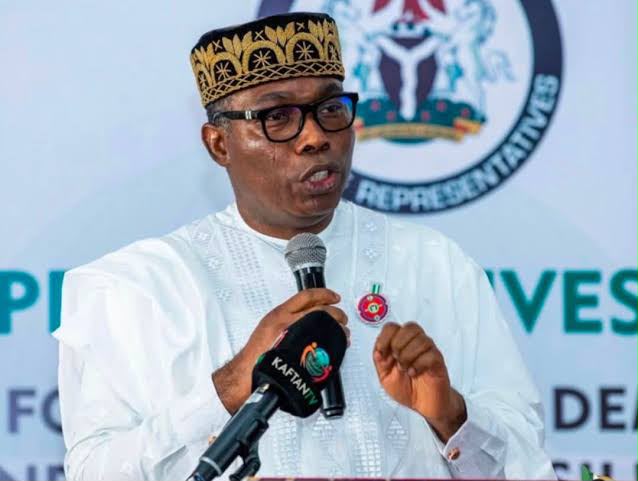
Adebayo Unveils Plan to Cut Petrol Price to ₦200
Social Democratic Party (SDP) presidential candidate, Adewole Adebayo, has unveiled a plan to reduce the pump price of petrol to ₦200 per litre through increased domestic refining and greater government control over crude oil supply. Adebayo says Nigeria’s current petrol pricing system is unsustainable and could worsen poverty, inflation and the country’s economic challenges if it remains unchanged. Speaking on Arise News, he says the major weakness in the current system is the government’s limited control over petrol supply. He proposes that the government revive its publicly owned refineries and ensure that their output is mainly dedicated to the Nigerian market. Adebayo notes that Nigeria has four major government-owned refineries in Port Harcourt, Warri and Kaduna, but says they are not contributing adequately to domestic fuel supply. He says reducing petrol to ₦200 per litre would only be sustainable if Nigeria produces a significant portion of the fuel it consumes instead of depending heavily on imports. The SDP candidate also criticises the former subsidy system, arguing that subsidising imported petrol places a heavy burden on government finances. He proposes reserving part of Nigeria’s crude oil production for domestic refining to reduce exposure to international price fluctuations and pressure on consumers. Adebayo says government-owned refineries should be rehabilitated rather than sold, adding that he would seek agreements with competent operators to ensure they run efficiently. He also says private refineries would continue to play a role in the petroleum sector, particularly by producing for export, while government-owned facilities would focus on meeting domestic demand. According to Adebayo, restoring domestic refining capacity would help reduce dependence on imported fuel, lower petrol prices and ease the financial pressure on Nigerian households and businesses.