The Click Report

Audio Brief

Listen to the latest top stories and editorial summary.

Politics

Governance, Politics

Nigeria Seeks AU Action on Illicit Funds, Reaffirms Fight Against Terrorism

The Federal Government has called on the African Union (AU) to intensify efforts to curb illicit financial flows, warning that the growing threat of terrorism and violent extremism across Africa is being sustained by illegal funding. Nigeria also reaffirmed its commitment to strengthening regional and international partnerships aimed at combating terrorism and violent extremism. In a statement issued by the Minister of Foreign Affairs’ media aide, Magnus Eze, the government said the Minister of State for Foreign Affairs, Bianca Odumegwu-Ojukwu, made the call during the 1354th Ministerial Meeting of the African Union Peace and Security Council, held virtually on Tuesday. The meeting was chaired by Uganda’s Acting Minister of Foreign Affairs and Chairperson of the AU Peace and Security Council for July 2026, Haruna Kasolo. Speaking at the meeting, Odumegwu-Ojukwu identified illicit financing as one of the biggest obstacles to defeating terrorism in Africa, saying it enables extremist groups to recruit young people and acquire sophisticated weapons. “A major obstacle to progress in the fight against terrorism in Africa is access to illicit funds. It facilitates the recruitment of youths and the procurement of lethal weapons by terrorist groups. We call on the Peace and Security Council to strengthen international cooperation in preventing, tracing, recovering and returning proceeds of illicit financial flows from safe havens to their countries of origin,” she said. The minister noted that terrorist organisations across the continent have become increasingly resilient, adopting commercially available technologies such as drones and advanced digital platforms while financing their operations through kidnapping for ransom and illegal mining activities. She reiterated Nigeria’s condemnation of terrorism and violent extremism in all forms, expressing solidarity with victims and commending the sacrifices of security personnel engaged in counter-terrorism operations across Africa. Odumegwu-Ojukwu also warned that the spread of terrorism in West Africa has been used by military regimes as justification for unconstitutional takeovers of democratically elected governments. She urged African leaders to translate into action the commitments made during the 2022 AU Extraordinary Summit on Counter-Terrorism in Malabo and the 2024 High-Level African Counter-Terrorism Meeting held in Abuja. The minister cautioned against portraying Africa as the global epicentre of terrorism, arguing that such narratives could lead to the unfair profiling and mistreatment of innocent Africans at international airports and other destinations. Highlighting Nigeria’s counter-terrorism strategy, she said the country has adopted a comprehensive approach that combines military operations with non-military interventions. According to her, sustained security operations have significantly weakened the operational capacity of Boko Haram and ISWAP while restoring government authority in many affected communities. She added that the government is targeting terrorist financiers, rehabilitating and reintegrating repentant ex-combatants, and addressing the root causes of extremism through investments in education, infrastructure, youth empowerment and community resilience. Odumegwu-Ojukwu said Nigeria is also working closely with neighbouring countries through the ECOWAS Regional Counter-Terrorism Strategy and the Early Warning and Response Network to strengthen intelligence sharing, border security and coordinated responses to security threats. She described the Multinational Joint Task Force (MNJTF) as a model for regional cooperation in combating terrorism on the continent. The minister further endorsed stronger intelligence-sharing among AU member states, efforts to dismantle terrorist financing networks, improved early warning systems, enhanced cybersecurity, and the development of continental guidelines for the responsible use of artificial intelligence in preventing and combating terrorism. She also called on international partners to adopt a zero-tolerance approach to terrorism by preventing non-state actors from acquiring arms, drones, dual-use technologies and other sophisticated weapons, while taking stronger measures to curb the illicit trade that fuels terrorist activities across Africa.

Politics

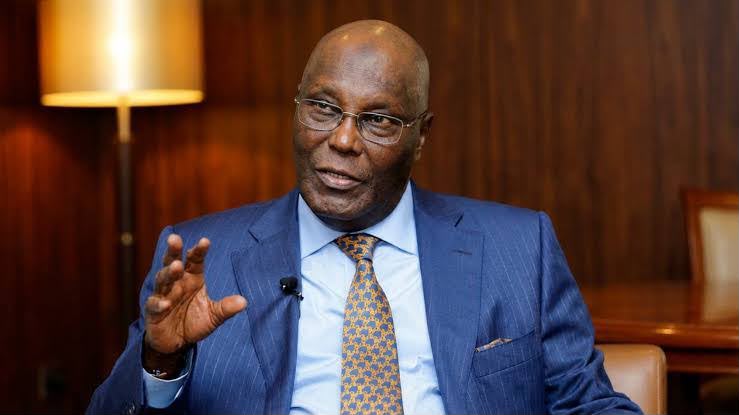
Atiku Faults Tinubu Over N8.05bn Appropriation for Religious Centres

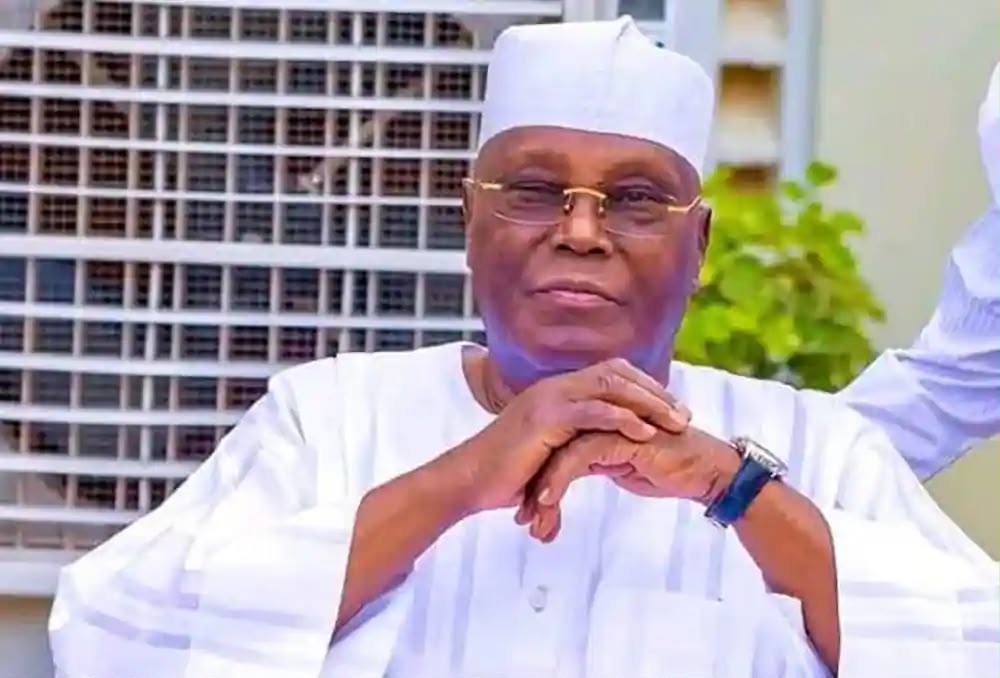
Former Vice President Atiku Abubakar has criticised the Tinubu administration over the alleged allocation of ₦8.05 billion for mosque- and church-related projects in the proposed 2026 budget, describing the expenditure as inappropriate at a time when millions of Nigerians are struggling with poverty. In a statement issued by his Senior Special Assistant on Public Communication, Phrank Shaibu, Atiku said public funds should be managed transparently and questioned the rationale behind the allocations. Citing an analysis by public accountability organisation Tracka, he said about ₦6.14 billion was earmarked for mosque-related projects, while ₦1.91 billion was allocated to church-related projects. The African Democratic Congress (ADC) presidential candidate for the 2027 election said that although religion occupies an important place in society, it should not be used to shield public spending from scrutiny. According to him, many of the budget provisions do not clearly identify the beneficiary churches, mosques or project locations, making independent verification difficult. “Under Nigerian law, religious bodies generally operate as Incorporated Trustees with distinct legal identities. If public funds are appropriated for projects involving such bodies, Nigerians have a right to know exactly which churches, which mosques and in which communities those projects will be executed,” he said. Atiku challenged the Federal Government to publish the names of all beneficiary institutions, project locations, implementing agencies and the legal basis for the allocations if the projects are legitimate. He warned that failure to provide such details could strengthen public perceptions that religion was being used to conceal questionable public spending. “The Tinubu administration has no moral or legal licence to hide behind the altar, the minbar or the sacred robes of our priests and imams to mask questionable appropriations. If these projects are genuine, publish the names of every beneficiary institution, disclose every project location and execute every project in full public view,” he said. Reacting to the controversy, David Etim, Project Lead of Calabar and Gulf of Guinea Municipal and Trade Centre Ltd/Gte, described the allocations as a misplaced priority. He argued that limited public resources should be directed toward critical sectors such as education and healthcare rather than religious projects, saying investments in schools and hospitals would have a greater impact on the lives of Nigerians. “With millions of Nigerians living in multidimensional poverty, government resources should be used to improve education, healthcare and other essential services. Funding schools and hospitals would benefit far more people than financing churches or mosques,” he said. Also commenting, the Alliance for Economic Research and Ethics (AERE) Ltd/Gte urged Nigerians to focus on broader fiscal challenges rather than the religious allocations alone. In a statement, the group acknowledged reports that ₦6.14 billion had been allocated for 52 mosque projects and ₦1.91 billion for seven church projects but noted that the total represented just 0.0118 per cent of the proposed ₦68.32 trillion 2026 budget. According to the organisation, Nigeria’s growing fiscal deficit and rising debt burden pose a far greater threat to the economy. AERE said the Federal Government plans to finance about 46.1 per cent of the proposed budget through borrowing because projected revenues are insufficient to meet expenditure. The group also expressed concern over the ₦15.8 trillion earmarked for debt servicing, noting that it accounts for about 23 per cent of total spending and roughly 43 per cent of projected government revenue. It further questioned why religious projects were included in the budgets of ministries whose mandates are unrelated to such activities, including the Ministries of Agriculture, Labour, and Marine and Blue Economy. The organisation called for stronger fiscal discipline, improved revenue generation and greater transparency in public spending, stressing that long-term economic stability depends on addressing structural weaknesses in Nigeria’s public finances rather than focusing solely on relatively small budget allocations.

Elections

Court of Appeal Affirms INEC’s Power to Set 2027 Election Guidelines

The Court of Appeal in Abuja has overturned a Federal High Court judgment that invalidated parts of the Independent National Electoral Commission’s (INEC) electoral guidelines for the 2027 general election, reaffirming the commission’s constitutional authority to regulate electoral processes. In a unanimous decision delivered by a three-member panel led by Justice Adebukola Banjoko, the appellate court held that INEC is empowered under the 1999 Constitution and the Electoral Act to issue election guidelines, timetables and other regulations necessary for the conduct of elections. The court set aside the earlier ruling of Justice James Omotosho of the Federal High Court in Abuja, which had nullified portions of the electoral guidelines following a suit filed by the Social Democratic Party (SDP). Justice Banjoko ruled that the lower court was bound by the Court of Appeal’s recent decision in INEC v. Youth Party of Nigeria, which affirmed the commission’s statutory powers to administer elections. The appeal stemmed from Justice Omotosho’s judgment, which granted some of the SDP’s requests while ruling in INEC’s favour on other issues. Dissatisfied with the aspects of the ruling that limited its powers over election management, INEC challenged the decision at the appellate court. Presenting INEC’s case, the commission’s lead counsel, Dr. Alex Izinyon (SAN), argued that the Constitution clearly empowers INEC to organise, conduct and supervise elections, including the issuance of electoral guidelines and election timetables. He maintained that the Federal High Court failed to properly interpret the relevant constitutional provisions and judicial precedents that recognise INEC’s authority. “The Constitution specifically empowers INEC to organise, supervise and undertake elections and other political activities. The timetable provided is in consonance with the powers donated by the 1999 Constitution and the Electoral Act,” Izinyon argued. He further submitted that both the Supreme Court and the Court of Appeal have consistently upheld INEC’s power to regulate electoral processes, including activities leading up to elections. “The trial court erred in law because it failed to interpret, using Supreme Court authorities and Court of Appeal decisions, the powers already donated by the Constitution to INEC to arrange elections, including pre-election matters,” he added. The appellate court’s ruling confirms INEC’s authority to issue electoral guidelines and set timelines for political activities ahead of the 2027 general election, reinforcing its constitutional mandate as Nigeria’s electoral management body.

Politics

Flood Threat: NIHSA Orders Immediate Evacuation in 17 States

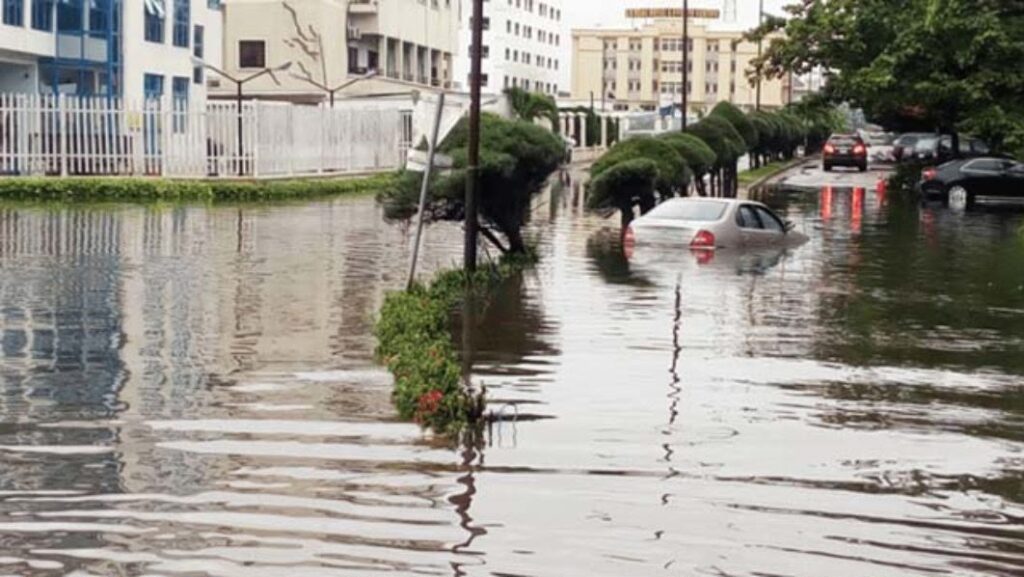
The Nigeria Hydrological Services Agency (NIHSA) has placed 17 states on medium flood alert, warning of possible localised flooding between July 21 and July 27. The agency urged residents living in flood-prone communities to relocate immediately to safer locations. In its National Flood Advisory (Alert No. NFA-2026-200) released on Tuesday, NIHSA said water levels at key river monitoring stations had risen above warning thresholds, increasing the risk of flooding along major rivers and floodplains. Director-General and Chief Executive Officer of NIHSA, Umar Ibrahim Mohammed, said data from the agency’s hydrological monitoring network showed that river levels at Saminara on the Karam River, Waya Dam Site on the Waya River and Amber on the Amber River had exceeded watch and warning levels. He added that 16 gauging stations across the country were also recording elevated water levels. Mohammed warned that communities located along the affected river channels face a high risk of localised flooding and called on state governments, emergency agencies and residents to take urgent preventive measures. “Our hydrological monitoring network indicates that river stages at critical monitoring stations have exceeded watch and warning thresholds. With 16 gauging stations showing elevated stages, communities along the primary channels face imminent localised flooding. We strongly advise state governments, local authorities and residents on floodplains to act immediately,” he said. The agency identified Bauchi, Edo, Imo, Kaduna, Plateau and Benue among the states at risk, alongside 11 others. According to the advisory, Bauchi has the highest projected exposure, with 1,841 communities at risk, including 145 schools, 101 health facilities and eight markets. In Edo State, 148 communities, 131 schools, 123 health facilities, four markets, seven religious centres and seven hectares of farmland could be affected. Imo State has 415 vulnerable communities, as well as 423 schools, 198 health facilities, 49 markets, 111 religious centres and 75 hectares of farmland under threat. Plateau State has 205 at-risk communities, 137 schools, 44 health facilities, 16 markets, 81 religious centres and 64 hectares of farmland that could be impacted by flooding. In Kaduna, 168 communities have been identified as vulnerable, while Benue has five communities, eight schools and two health facilities exposed to possible flooding. NIHSA directed the National Emergency Management Agency (NEMA), State Emergency Management Agencies (SEMAs), local government authorities and community leaders to begin the immediate evacuation of residents, livestock and valuables from flood-prone areas to designated safe shelters. The agency also advised emergency responders to pre-position relief materials, including food, clean water, medical supplies and first-aid equipment, while urging communities to activate local early-warning systems and maintain regular communication to minimise the impact of potential flooding.

Politics

Atiku’s Lobbyist Presents Alleged Tinubu Forfeiture Documents to Trump, Congress

A United States-based lobbying firm hired by African Democratic Congress (ADC) presidential candidate Atiku Abubakar has announced that it has begun distributing historical United States Department of Justice (DOJ) records relating to President Bola Tinubu to officials in the administration of President Donald Trump, members of Congress and senior congressional staff. The Washington-based firm, Von Batten-Montague-York, L.C., disclosed the development in a statement posted on its X (formerly Twitter) account, stating that the documents relate to historical allegations investigated by U.S. authorities involving Tinubu in the late 1980s and early 1990s. According to the firm, it was engaged by Atiku in March 2026 under a 12-month lobbying contract worth $1.2 million to enhance his profile in Washington, facilitate engagement with U.S. policymakers and counter what it described as the Nigerian government’s lobbying efforts. The firm said many U.S. government officials were previously unfamiliar with the historical court records and had now been provided with more than 60 pages of DOJ documents, court filings, affidavits and related federal court decisions. It added that the documents would also be shared with relevant congressional committees for informational and oversight purposes. Among the materials circulated is a document titled, Background and Chronology of the 1993 U.S. Department of Justice Heroin-Proceeds Forfeiture Case and the 2023 FOIA Litigation Concerning Alleged Heroin Trafficking from Nigeria to the United States Involving Bola Ahmed Tinubu. According to the chronology, the DOJ alleged that a Nigeria-based heroin trafficking organisation imported heroin into the United States and distributed it through associates operating in Chicago. The document references United States v. Funds in Account No. 263226700 et al., No. 93 C 4483, identifying Bola Tinubu, Adegboyega Mueez Akande and Abiodun Agbele among individuals named in the government’s civil forfeiture proceedings. It states that federal investigators examined the activities of the alleged trafficking organisation between 1988 and 1991 and alleged that proceeds from the operation were deposited into U.S. bank accounts owned or controlled by Tinubu. The chronology also identifies Akande as the alleged leader of the organisation and describes Agbele as an associate who later cooperated with U.S. investigators after his arrest. According to the document, the Department of Justice filed civil forfeiture proceedings in 1993, seeking the forfeiture of funds it alleged were linked to narcotics trafficking or money laundering. The matter was later resolved through a negotiated civil settlement, under which part of the funds was forfeited to the U.S. government. The lobbying firm also highlighted the ongoing Freedom of Information Act (FOIA) litigation filed in 2023 by journalist Aaron Greenspan, who sought the release of records relating to the historical investigation. It noted that a U.S. District Court ruled in 2025 that agencies, including the Federal Bureau of Investigation (FBI) and the Drug Enforcement Administration (DEA), must process certain requested records after finding they could not rely on blanket refusals to confirm or deny their existence. The firm said the FOIA case remains before the courts. Von Batten-Montague-York said the records are being shared with members of both the executive and legislative branches of the U.S. government as Nigeria remains a strategic U.S. partner and amid reports that President Tinubu is seeking a bilateral meeting with President Trump during the forthcoming United Nations General Assembly. The issues surrounding Tinubu’s 1993 U.S. civil forfeiture case were extensively litigated after Nigeria’s 2023 presidential election. Former presidential candidates Atiku Abubakar and Peter Obi had argued before the Presidential Election Petition Court (PEPC) that Tinubu should have been disqualified because of the civil forfeiture proceedings. However, the PEPC dismissed the claims, ruling that the petitioners failed to prove Tinubu had been convicted of any criminal offence in the United States. The court also held that the forfeiture proceedings were civil, not criminal, and found that the evidence presented did not establish that Tinubu submitted false information to the Independent National Electoral Commission (INEC) regarding the matter.

Public Affairs

House of Reps Launches Investigation into Xenophobic Attacks on Nigerians

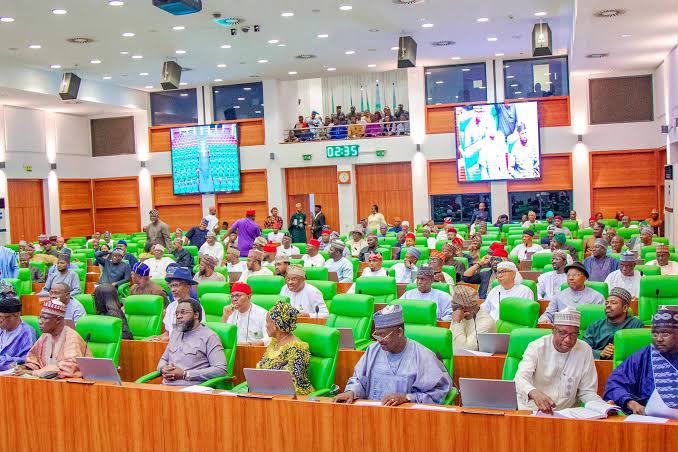
The House of Representatives has resolved to investigate the human and economic losses suffered by Nigerians during repeated xenophobic attacks in South Africa, as part of efforts to facilitate compensation for victims, strengthen diplomatic engagement and improve the protection of Nigerians living abroad. The resolution followed the adoption of a motion sponsored by the member representing Ikorodu Federal Constituency, Lagos State, Babajimi Benson, during plenary on Tuesday. Presenting the motion, Benson said that despite years of xenophobic attacks targeting Nigerians in South Africa, there had never been a comprehensive assessment of the number of casualties, property destroyed and economic losses incurred by victims. He recalled Nigeria’s role in the fight against apartheid, noting that the country made significant diplomatic, financial and political contributions to South Africa’s liberation through international advocacy, scholarships, the Southern African Relief Fund and economic sacrifices by Nigerians. Benson expressed concern that, despite the long-standing relationship between both countries, Nigerians legally residing in South Africa had continued to face recurring xenophobic violence for nearly two decades. He said the attacks had involved killings, mob violence, physical assaults, looting, destruction of businesses and properties, forced displacement and intimidation. According to him, major outbreaks of xenophobic violence were recorded in 2008, 2015, 2017, 2019 and 2021, each leading to diplomatic tensions, emergency evacuations of Nigerian citizens and renewed commitments by the South African government to prevent future attacks. The lawmaker also raised concerns over what he described as a resurgence of organised anti-foreigner campaigns by groups such as Operation Dudula, saying the threats had forced many Nigerians to abandon their homes, businesses and investments while seeking emergency evacuation. He argued that although previous National Assembly sessions had condemned the attacks and called for diplomatic action, no detailed legislative inquiry had been carried out to determine the actual number of Nigerians killed, injured or displaced, or the total value of losses suffered. Benson said the absence of verified data had weakened Nigeria’s ability to pursue effective diplomatic engagement, seek justice for victims and formulate appropriate policies. Following the adoption of the motion, the House mandated its Committees on Integration and Cooperation in Africa and Diaspora, and Foreign Affairs to investigate the casualties, losses and damages suffered by Nigerians during previous and recent xenophobic attacks in South Africa. The committees were also directed to compile an inventory of properties abandoned by Nigerians as a result of the attacks and recommend diplomatic initiatives, legal measures and bilateral engagements aimed at ensuring accountability for perpetrators, securing compensation for victims where applicable and strengthening the protection of Nigerians living in South Africa. The committees are expected to submit their findings to the House within four weeks for further legislative action.

Public Affairs

Ex-DSS Officer Alleges Abacha Died During Intercourse

A former Assistant Director of the Department of State Services (DSS), Dennis Amachree, has claimed that Nigeria’s late military Head of State, Gen. Sani Abacha, died during an intimate encounter at the Presidential Villa in Abuja. Amachree made the claim in his memoir, DSS @40: My Journey Behind the Shield, where he recounted his account of the events surrounding Abacha’s death on June 8, 1998. According to the retired DSS officer, who served as Assistant Director of Operations and Intelligence at the Lagos DSS Command at the time, Abacha died around 4:05 a.m. while with a female visitor at the Aso Rock Guest House. He alleged that the woman, described as a pharmacist who was in Abuja for a conference, had accompanied her older sister identified as Abacha’s girlfriend to the Presidential Villa earlier that night. Amachree said the older sister later returned to her hotel, leaving the younger woman alone with the late military ruler. He further claimed that during the encounter, the woman noticed Abacha had become unresponsive and found that he had no pulse. According to the account, she quickly left the guest house after informing a soldier on duty that the Head of State had requested a vehicle to take her back to her hotel. The former DSS official said the woman returned to the hotel, informed her sister of what had happened and was subsequently driven to the Abuja airport, where she boarded an early morning flight to Lagos. Amachree alleged that by the time Abacha’s Chief Security Officer, Major Hamza Al-Mustapha, was informed of the situation around 5 a.m., the woman had already left Abuja. He said the DSS later traced and questioned the pharmacist in Lagos after receiving instructions from the agency’s headquarters. According to Amachree, the woman maintained during questioning that she had no involvement in Abacha’s death, insisting that he had suddenly collapsed during the encounter. The retired DSS officer said her account supported his conclusion that the late military ruler suffered a cardiac arrest during intercourse, arguing that it contradicted long-standing conspiracy theories surrounding Abacha’s death, including claims involving poisoning or foreign women. Abacha ruled Nigeria from November 1993 until his death in June 1998. His administration remains one of the country’s most controversial military governments, marked by allegations of human rights abuses and political repression. He died less than a month before the death of Chief MKO Abiola, the presumed winner of the annulled June 12, 1993 presidential election, who was in detention at the time.

Politics

Boat Tragedy in Jigawa: 40 Feared Dead

No fewer than 40 women and children are feared dead after a canoe capsized in Ringim Local Government Area of Jigawa State. The Jigawa State Police Command confirmed the incident on Tuesday, stating that one body had been recovered while search and rescue operations were ongoing for the remaining passengers. In a statement posted on its official Facebook page, the command said emergency responders were continuing efforts to locate those still missing. “One of the bodies was recovered. Efforts to recover the remaining 39 are underway,” the police said. The Director of Planning at the Jigawa State Emergency Management Agency (SEMA), Muhammad Sanusi, also confirmed the accident, saying the passengers were predominantly female farmers and agricultural labourers travelling by canoe when the incident occurred. Sanusi said the cause of the capsizing had not yet been determined, adding that emergency personnel, local divers and community volunteers had intensified search and rescue operations. “Hands are on deck as combined efforts continue to determine the exact number of those rescued or missing,” he said. He added that authorities were still verifying the number of casualties and survivors as the operation continued. Boat accidents remain a recurring occurrence in several parts of northern Nigeria, where many rural communities rely on rivers and waterways for transportation and farming activities. Experts have attributed such incidents to factors including overloading, poor boat maintenance, adverse weather conditions and the failure of passengers to wear life jackets. Authorities have repeatedly urged boat operators and passengers to comply with water transportation safety regulations to help reduce the frequency of such accidents.

Governance, Politics

Abbas Sets Up Probe Panel Over Fake Agency Scandal Today

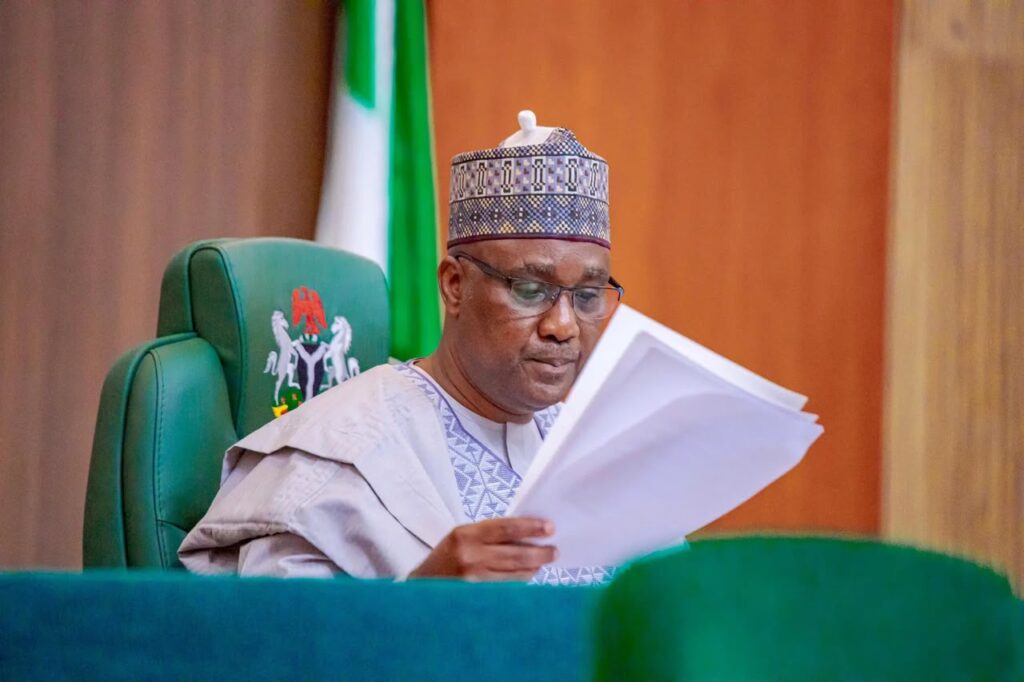
The Speaker of the House of Representatives, Tajudeen Abbas, is set to inaugurate an ad hoc committee to investigate the controversial inclusion of the unestablished Presidential Foreign Investment Promotion Council (PFIPC) in the 2026 Appropriation Act. The move comes amid fresh criticism over the exclusion of the President’s Chief of Staff, Femi Gbajabiamila, from the list of witnesses invited to appear before the committee. The inauguration and public hearing will be held at the National Assembly Complex in Abuja, in line with Sections 88 and 89 of the 1999 Constitution (as amended), which empower the National Assembly to investigate matters relating to public institutions and the management of public funds. The committee, chaired by the lawmaker representing Kanke/Kanam/Pankshin Federal Constituency of Plateau State, Yusuf Gagdi, was constituted following a resolution of the House of Representatives. Its mandate is to investigate how budgetary provisions amounting to about N1.32 billion were allocated to the Presidential Foreign Investment Promotion Council, an agency that had not been legally established. The investigation follows the arrest of Adeyemi Adeniyi, who allegedly presented himself as the Director-General of the PFIPC and is accused of facilitating the inclusion of the agency in the 2026 budget despite its non-existence. The controversy intensified after Adeniyi reportedly alleged that he paid N100 million through intermediaries to Femi Gbajabiamila to facilitate the establishment of the agency. The allegation has been denied by both the Presidency and the Office of the Chief of Staff. According to the committee’s invitation, signed by Chairman Yusuf Gagdi, the hearing will bring together key government officials, civil society organisations, professional bodies, development partners, the media and members of the public. Those invited include the Minister of Budget and Economic Planning, the Minister of Finance, the Minister of Industry, Trade and Investment, the Attorney-General of the Federation and Minister of Justice, and the Minister of Foreign Affairs. Also expected to appear before the committee are the Governor of the Central Bank of Nigeria, the Executive Chairman of the Economic and Financial Crimes Commission (EFCC), the Chairman of the Independent Corrupt Practices and Other Related Offences Commission (ICPC), the Auditor-General for the Federation and the Chairman of the Fiscal Responsibility Commission. Other invited officials include the Head of the Civil Service of the Federation, the Secretary to the Government of the Federation, the Executive Secretary of the Nigerian Investment Promotion Commission (NIPC), the Director-General of the Department of State Services (DSS) and the Inspector-General of Police. The committee also called on stakeholders, professional bodies, civil society organisations, relevant institutions and members of the public to submit memoranda relating to its terms of reference. Among its key responsibilities is determining how the PFIPC was included in the 2026 Appropriation Act despite lacking legal status. The panel will also trace the budget provision from the executive proposal through legislative consideration to identify the stage at which the allocation was inserted. However, the committee’s decision not to invite either Gbajabiamila or Adeniyi has drawn criticism from some quarters. The House of Representatives constituted the investigative panel amid growing public concern over alleged irregularities in the 2026 budget, particularly the allocation of more than N1.3 billion to an agency the Federal Government says has not been legally established.

Public Affairs, World Cup

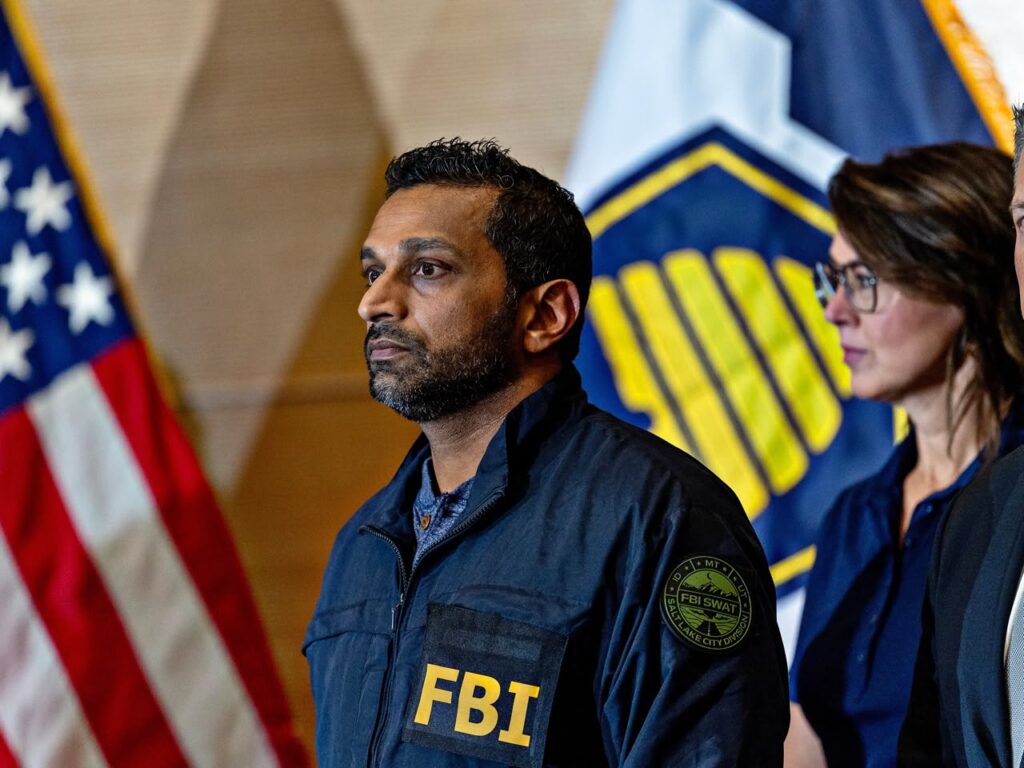
FBI Says US Recorded No Major Security Breaches During World Cup

The Director of the United States Federal Bureau of Investigation (FBI), Kash Patel, has announced that the 2026 FIFA World Cup concluded without any major security incidents, describing the tournament as the largest sporting event ever staged. In a post on his official X account, Patel praised the coordinated efforts of federal, state and local law enforcement agencies, saying the competition set new attendance records while maintaining a high level of public safety. According to him, the tournament was successfully hosted across the United States over 38 days without any significant security breaches despite the scale of the event. Patel noted that the World Cup was equivalent to hosting 78 Super Bowls, with 40 team base camps, numerous fan zones and celebrations held across nearly every state. He credited President Donald Trump for prioritising security preparations, stating that the White House FIFA Task Force was established about 16 months before the tournament to coordinate planning. The FBI director disclosed that the bureau deployed nearly 5,000 personnel from its headquarters, field offices and international offices across the 16 host cities, describing it as the agency’s largest deployment for a single event. According to Patel, the FBI also established a Joint Operations Centre, an International Police Coordination Centre and an Intelligence Coordination Centre to facilitate real-time intelligence sharing throughout the tournament. He further revealed that the bureau launched its first-ever counter-unmanned aircraft systems (counter-UAS) training programme for law enforcement officers ahead of the competition. Patel said security agencies intercepted and seized more than 700 drones that entered restricted airspace around World Cup venues during the tournament. He added that authorities simultaneously secured other major national events, including UFC 250, SAIL 250 and State Fair 250, while ensuring the World Cup concluded safely. Patel thanked the FBI’s federal, state and local partners, as well as FIFA, the Department of Homeland Security, the White House FIFA Task Force and its director, Andrew Giuliani, for their contributions to the successful security operation.