The Click Report

Audio Brief

Listen to the latest top stories and editorial summary.

2026

Politics

PDP Threatens Court Action as Governors Push State Police Bill

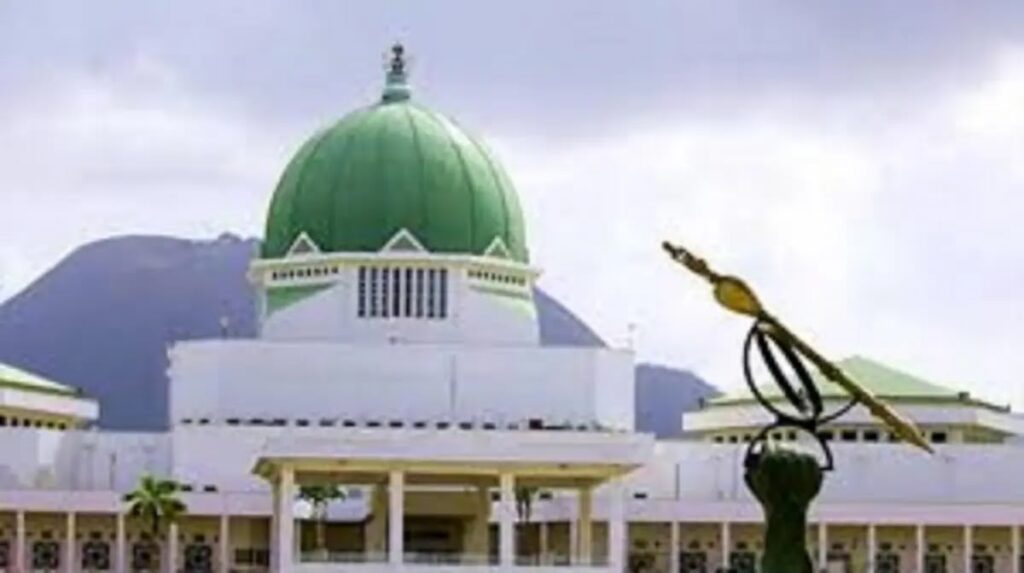
State governors are intensifying efforts to secure the speedy passage of the proposed state police bill, urging the National Assembly, the 36 State Houses of Assembly and the Presidency to complete the legislative process before campaigns for the 2027 general elections begin. The renewed push follows the House of Representatives’ approval of the Constitution Alteration Bill, which seeks to establish state police services across Nigeria. The bill was passed after weeks of lobbying by governors, who are now calling for its swift harmonisation with the Senate’s version. Sources familiar with the process said the governors want Senate President Godswill Akpabio and Speaker Tajudeen Abbas to immediately constitute a harmonisation committee to reconcile differences between both chambers before the National Assembly’s annual recess. According to the sources, governors are concerned that the legislative break and the approach of the election season could delay the bill if the process is not concluded quickly. Once harmonised, the legislation will return to both chambers for final approval before being transmitted to the 36 State Houses of Assembly for concurrence. Governors are also said to have engaged state assembly speakers, urging them to ensure the bill is approved promptly once received. They have equally opened discussions with officials in the Presidency, seeking a speedy presidential assent after the bill completes the legislative process. However, the bill’s passage in the House of Representatives has attracted criticism over the voting procedure. The legislation was approved through a voice vote, a move some stakeholders argue did not comply with constitutional requirements for amendments. A faction of the Peoples Democratic Party (PDP), led by former Minister Tanimu Turaki, has threatened legal action, alleging that lawmakers failed to consider and vote on the bill clause by clause. The group argued that such a process is required for constitutional amendments and warned that the procedure could be challenged in court. Former lawmaker Sergius Ogun also criticised the method adopted by the House, noting that previous constitutional amendment exercises relied on electronic voting rather than voice votes. While acknowledging that the outcome of any legal challenge cannot be predicted, he said judicial scrutiny could help clarify the constitutional process. The governors’ urgency is also linked to security planning ahead of the next general elections. Several states already operate local security outfits, including vigilante groups and community watch organisations, which they hope to transform into formal state police agencies once the constitutional amendment is enacted. Ogun State Governor Dapo Abiodun recently disclosed that governors had agreed to ensure their respective state assemblies pass the bill simultaneously after it is transmitted. Senate Leader Opeyemi Bamidele also expressed confidence that the states would demonstrate their support through a swift concurrence process. Many state assembly speakers have already pledged to support the legislation, describing it as a significant step in Nigeria’s constitutional reform efforts. Meanwhile, civil society organisations have called for broader public consultation before the bill progresses further. The Rule of Law and Accountability Advocacy Centre has urged the National Assembly to organise public hearings across the country’s six geopolitical zones, noting that important issues, including the proposed funding structure for state police, have yet to be fully explained to Nigerians. Although the bill secured 311 votes in the House of Representatives well above the constitutional threshold required for amendments minority lawmakers staged a walkout, insisting that the legislative process failed to meet constitutional standards. With governors pushing for accelerated action and opponents preparing possible court challenges, the fate of the state police bill will likely be decided in the coming weeks as lawmakers race against time ahead of the 2027 election season.
Education

Concerned Parents, Alumni Challenge Babcock Convocation, Seek Return of Academic Recognition

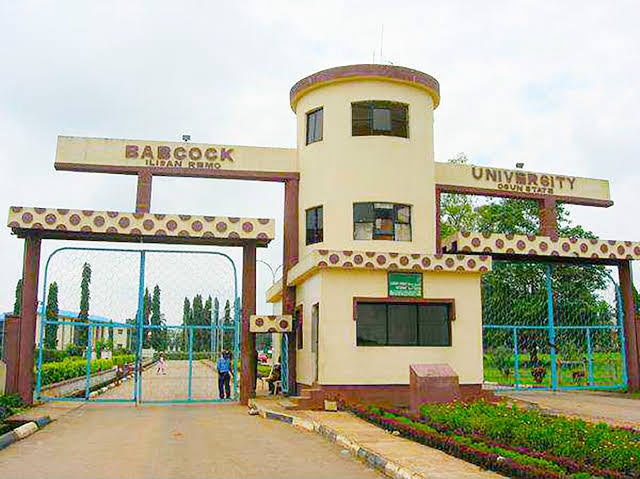
A group of concerned parents and graduates of Babcock University has called on the institution’s management to restore what it described as the central purpose of convocation by giving greater prominence to academic excellence during graduation ceremonies.In an open letter issued following the university’s 2026 convocation, the group expressed disappointment over what it considered the inadequate recognition of outstanding academic performance, urging the management to acknowledge the shortcomings of the ceremony, apologize to affected graduates and put measures in place to prevent a recurrence. The group argued that convocation should primarily celebrate scholarship, discipline and academic achievement, noting that the ceremony ought to serve as a platform for honoring students who distinguished themselves through years of dedication and hard work. According to the letter, one of the major concerns was the selection of the commencement speaker, a serving state governor, whose address allegedly focused largely on his administration’s achievements rather than offering graduates intellectual inspiration, professional guidance or reflections suited to a university convocation. The group maintained that commencement speakers should be chosen based on their ability to inspire graduating students and contribute meaningfully to the academic significance of the occasion rather than the public office they occupy.It also criticised what it described as the minimal recognition accorded to outstanding graduates during the ceremony, stating that only the overall best graduating student of the university was publicly acknowledged. The parents and graduates noted that the best graduating students from the university’s schools, departments and part-time programmes, as well as first-class graduates, were not recognised on stage despite their exceptional academic records.Instead, the affected students were reportedly directed to collect their awards at the university registry, a decision the group said diminished the value of years of academic excellence. While stressing that it had no objection to other categories of recognition presented during the ceremony, the group expressed concern that the “Youth Development and Social Advocacy Award,” given to graduates recognized for positive personal transformation, received prominent attention while academic distinctions received little publicacknowledgment. According to the letter, recognizing personal growth and social rehabilitation is commendable, but such recognition should not overshadow the primary purpose of a university convocation, which is to celebrate academic merit.The group further argued that public recognition during convocation often serves as an important credential for graduates seeking scholarships, employment opportunities and postgraduate admissions, adding that denying outstanding students that platform could have lasting consequences. It therefore urged the university to publicly acknowledge that the 2026 convocation did not sufficiently celebrate academic excellence, apologize to affected graduates and establish a clear framework for recognizing the best graduating students across all schools and departments, as well as all first-class graduates, during future convocations.The letter concluded that universities exist to promote merit, evidence and excellence, insisting that convocation ceremonies should reflect those values by ensuring that graduates who excelled academically receive the public recognition they deserve.

Governance, Public Affairs

FG Calls for Probe Into Nigerian’s Death in South African Police Operation

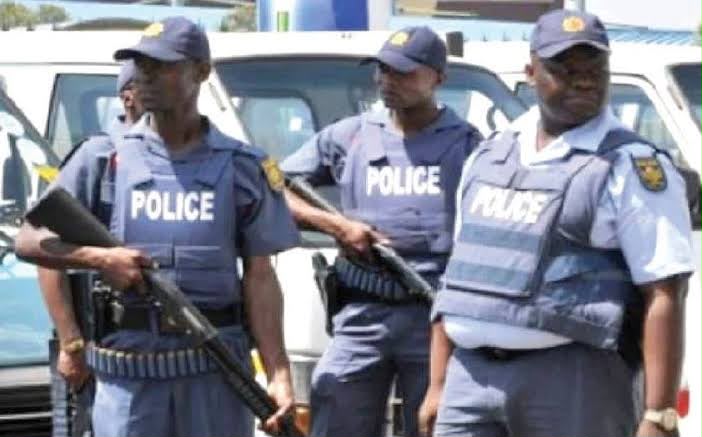
The Consulate General of Nigeria in Johannesburg has condemned the killing of Nigerian national Ibeh Chika Simon during a South African Police Service (SAPS) operation in Bellville, Cape Town, describing the circumstances surrounding his death as deeply troubling. In a statement dated July 25, the Consulate also expressed concern over the shooting of another Nigerian, Egwabor Patrick Chuks, who is receiving treatment for serious injuries sustained during the operation on July 23. The Nigerian mission described the incident as part of a disturbing pattern of unresolved deaths and alleged police misconduct involving foreign nationals in South Africa. It warned that the situation was particularly worrying amid growing Afrophobic sentiment, which it said threatens the rights to life, dignity and due process guaranteed under South African law. The Consulate called on South African authorities to launch a transparent and comprehensive investigation into the incident and ensure that anyone found responsible is held accountable. While reiterating that Nigerians living in South Africa are expected to obey the country’s laws, the mission stressed that allegations of wrongdoing should never justify the use of excessive force or unlawful killings. According to the statement, criminal suspects are entitled to due process through the courts, and law enforcement agencies must operate within the limits of the law. The Consulate extended condolences to the family of the deceased and wished the injured Nigerian a speedy recovery. It also urged Nigerians residing in South Africa to remain calm, law-abiding and to seek justice through legal and diplomatic channels. The latest incident comes amid continued concerns over attacks on Nigerians in South Africa. Earlier, the Ministry of Foreign Affairs reported that Nigerian national Emeka Charles Iroegbu was allegedly killed by police officers on June 28, while another Nigerian, Musa Yunana Joe, was reportedly murdered by unidentified attackers on the same day. The Federal Government has previously evacuated 1,490 Nigerians from South Africa in seven batches following outbreaks of Afrophobic violence. President Bola Tinubu, Vice President Kashim Shettima and the Ministry of Foreign Affairs have repeatedly condemned attacks targeting Nigerians and other African nationals. Chairman of the Nigerians in Diaspora Commission (NiDCOM), Abike Dabiri-Erewa, has also said the Federal Government will seek compensation from South African authorities for Nigerians who lost businesses, property and livelihoods as a result of the anti-African attacks.

Health

FG Raises Nursing Admissions to 50,000 to Tackle Health Worker Shortage

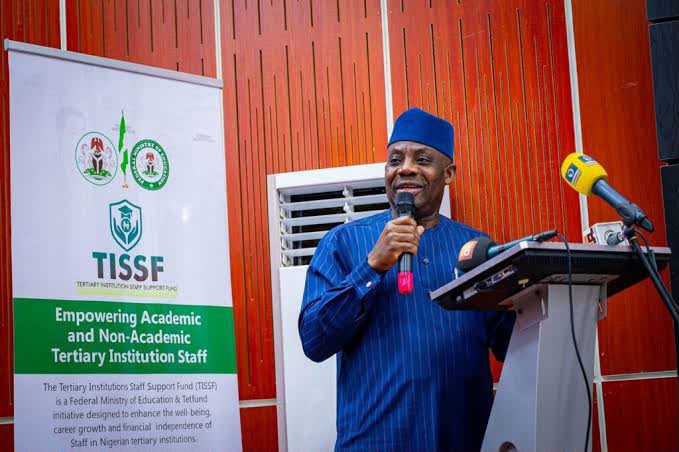
The Federal Government has increased annual admissions into nursing schools from about 20,000 to 50,000 students as part of efforts to address the country’s shortage of healthcare professionals and strengthen the health sector. Minister of Education, Dr. Tunji Alausa, disclosed this during an interview with journalists, explaining that the move is part of wider education reforms aimed at developing the skilled workforce needed to support President Bola Tinubu’s goal of building a $1 trillion economy by 2030. According to Alausa, the administration is prioritising investment in human capital by expanding access to professional education, particularly in critical sectors such as healthcare. He said the government’s long-term objective is to position Nigeria as a global supplier of skilled professionals capable of driving economic growth at home while competing successfully in international labour markets. The minister noted that admissions into nursing schools have more than doubled since the current administration took office, rising from around 20,000 to approximately 50,000 students annually. He added that enrolment into medicine, pharmacy and dentistry programmes has also been significantly expanded to help close the country’s healthcare workforce gap. Alausa expressed confidence that the increased training capacity would begin to ease the shortage of nurses, doctors and other healthcare professionals as more graduates enter the workforce over the coming years. He described education as a key pillar of the administration’s economic agenda, saying it would play a central role in achieving sustainable growth and supporting the President’s development objectives. The minister also assured Nigerians that the Nigerian Education Loan Fund (NELFUND) was designed to remain financially sustainable beyond the lifespan of the current administration. According to him, the scheme was carefully structured to ensure its long-term viability rather than serving as a short-term intervention. Alausa further stated that the government has restored relative industrial peace in tertiary institutions through continued engagement with academic and non-academic staff unions, noting that the improved stability is contributing to better performance across the higher education sector. Nigeria has continued to grapple with a shortage of healthcare workers due to years of limited training capacity and the increasing migration of nurses and doctors abroad in search of better pay and working conditions. The situation has placed additional pressure on the country’s healthcare system, particularly at the primary and secondary healthcare levels. To address the challenge, the Federal Government has expanded admissions into nursing and other health-related programmes while increasing investments in Technical and Vocational Education and Training (TVET) and other human capital development initiatives. The government believes these measures will help meet local healthcare demands while positioning Nigeria as a major source of skilled professionals for the global workforce.

Politics

Joshua Sets Up Fury Clash With Knockout Comeback

British-Nigerian heavyweight boxer Anthony Joshua produced a remarkable comeback on Saturday night, recovering from two early knockdowns to stop previously unbeaten Albanian Kristian Prenga in the second round of their bout in Jeddah, Saudi Arabia. Joshua endured a nightmare start as Prenga, who entered the contest with a perfect record of 20 knockouts in 20 fights, dropped the former world champion with a powerful uppercut less than 20 seconds into the opening round. Prenga sent Joshua to the canvas again before the end of the round, raising fears of a major upset. However, Joshua responded impressively in the second round, regaining his composure before landing a series of heavy right hands that trapped Prenga against the ropes. The referee halted the contest, handing the Albanian his first professional defeat and improving Joshua’s record to 30 wins from 34 fights, including 27 knockouts. Speaking after the victory, Joshua welcomed the prospect of a long-awaited clash with fellow British heavyweight Tyson Fury, while expressing respect for his rival’s accomplishments. “I respect everything he has done and achieved, but I’ve wanted this fight for a long time, and now we’re here,” Joshua said. “I hope the fans are in for a great show.” He added: “I’ve learned that I cannot be stopped. I’m not going to be denied.” The fight marked Joshua’s first appearance since the December car accident in Nigeria that claimed the lives of two close friends and members of his team, Sina Ghami and Latif “Latz” Ayodele. Clearly emotional after the bout, Joshua dedicated the victory to their memory. Wearing camouflage gear bearing their names, he described the performance as being driven by their spirit. “It was more than power. That was spirit. That was Latz and Sina,” he said. “It’s been a difficult time, but champions get back up when they’re knocked down. That’s what this was about.” Joshua’s victory came just a day after Tyson Fury recorded a seventh-round technical knockout win over Polish veteran Mariusz Wach in Thailand, with both heavyweights successfully completing their tune-up fights ahead of a proposed showdown. Promoter Eddie Hearn confirmed that contracts for the highly anticipated all-British contest have already been signed, although the venue is yet to be decided. Wembley Stadium remains a leading option, while staging the fight in the United States is also under consideration. Hearn praised Joshua’s resilience, saying the former champion showed tremendous character by recovering from two first-round knockdowns to secure the stoppage victory. Former undisputed heavyweight champion Oleksandr Usyk also commended Joshua’s performance, saying the British-Nigerian looked better than when they previously met. According to Usyk, Joshua’s improvement is not only physical but also mental.

Energy, Governance

Ibom Power MD: N28bn Federal Government Debt Shut Down Nigeria’s Only State-Owned 191MW Plant

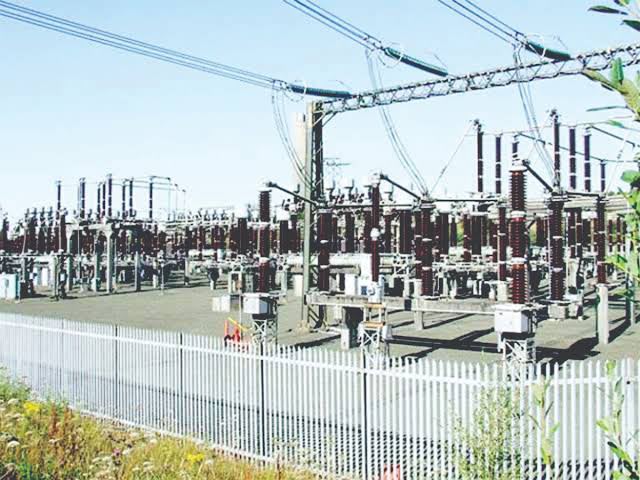
Nigeria’s only wholly state-owned power plant, Ibom Power Plc, has blamed a N28 billion debt owed by the Federal Government for the prolonged shutdown of its 191-megawatt facility in Akwa Ibom State. Speaking in an interview with Platforms Africa, the Managing Director of Ibom Power, Camillus Umoh, revealed that the plant generated electricity for fewer than 30 days out of the last 360 days in 2025 due to a lack of gas supply. According to Umoh, the crisis began after Acugas, the plant’s gas supplier, suspended deliveries over years of unpaid invoices and adopted a “pay-before-supply” policy to avoid accumulating further debts. He explained that even during the few days the plant was operational, it often generated only 30 to 40 percent of its installed capacity because of limited gas availability. Umoh said the debt owed to Ibom Power is part of the estimated N4 trillion legacy debt affecting Nigeria’s Electricity Supply Industry (NESI), where power generation companies are not fully paid for electricity supplied to the national grid. He disclosed that the Federal Government has paid N12.3 billion of the N28 billion owed to the company, leaving an outstanding balance of N15.7 billion. However, he noted that the repayment arrangement includes both cash and bonds, with the bonds redeemable only at a discount. He also pointed out that the debts are being settled without interest or compensation for years of depreciation. The prolonged liquidity challenges have also prevented the company from carrying out critical maintenance on its General Electric turbines, increasing operational risks. Beyond the gas shortage, Umoh highlighted transmission constraints as another major obstacle. He said the 51-year-old Aba–Itu transmission line can evacuate only about 60MW, while the Calabar–Itu transmission line has remained out of service for four years following repeated vandalism. Despite these setbacks, Umoh said the plant is capable of generating between 82MW and 83MW whenever gas is available more than Akwa Ibom State’s current electricity demand of between 65MW and 71MW. He added that the facility was originally designed to export electricity to other states and eventually expand its capacity to 685MW under a second phase. He stressed that while the technical challenges are manageable, resolving the sector’s liquidity crisis and ensuring reliable payment for electricity generated remain essential to restoring stable operations and preventing similar disruptions across Nigeria’s power sector.

Business, Energy

Sahara Group Urges Financing Model That Reflects Africa’s Energy Transition Realities

Sahara Group has called for a fresh approach to Africa’s energy transition, infrastructure financing and energy journalism, urging stakeholders to adopt strategies that reflect the continent’s unique realities. The company made the call on Wednesday during the third edition of its thought leadership forum, Asharami Square, themed “Energising Africa’s Future: Legacy, Impact and Transformation.” Speaking at the event, Sahara Group’s Director of Governance and Sustainability, Ejiro Gray, said the company’s “Beyond XXX” vision is focused on shaping the future rather than celebrating past achievements. Gray stressed that Africa’s energy transition should be driven by local realities and supported by balanced, evidence-based journalism capable of examining the complexities of energy development and sustainability. “Effective journalism should not only tell us what happened; it should help us understand why it matters, whose interests are affected and what perspectives are missing from the conversation,” she said. Delivering the keynote address, the Special Adviser to the President on Power Infrastructure, Sadiq Wanka, said reforms in Nigeria’s electricity sector are creating new opportunities for investment. According to him, the major challenge facing the sector is no longer technology but mobilising capital, developing bankable projects and creating an environment that attracts long-term investment. “The issue is no longer technology. The real challenge is mobilising capital at scale, structuring bankable opportunities and creating an ecosystem that attracts long-term financing,” Wanka said. He noted that ongoing reforms are opening investment opportunities in embedded generation, mini-grids, renewable energy, transmission infrastructure and industrial power solutions, while encouraging journalists to report more extensively on policy implementation and investment opportunities. A panel discussion featuring Professor Abigail Ogwezzy-Ndisika of the University of Lagos, Chief Executive Officer of the Lagos State Electricity Regulatory Commission, Temitope George, Managing Director of Investment Banking at Chapel Hill Denham, Kemi Awodein, and moderated by Argus Media Associate Editor for Africa, Adebiyi Olusolape, examined financing options for Africa’s energy future. The panelists agreed that although Africa has significant domestic capital, attracting greater investment will require stronger governance, improved investor confidence and better project preparation. Speaking on the role of the media, Professor Ogwezzy-Ndisika called for more investigative and solutions-driven reporting on the energy sector. “Energy reporting must go beyond headline events and announcements. Journalists need to ask deeper questions, examine the evidence and connect policy decisions to their impact on communities and everyday lives,” she said. George highlighted the importance of ensuring projects are investment-ready, while Awodein said governance, transparency and clear value creation remain essential for attracting long-term capital. The event also featured the unveiling of the Asharami Square Energy Reporting Fellowship Judging Panel, an initiative aimed at strengthening energy journalism across Africa. Sahara Group’s Head of Corporate Communications, Bethel Obioma, said the fellowship is designed to equip journalists with a deeper understanding of the technical, commercial, environmental and policy issues shaping the energy sector. He added that the initiative aligns with the company’s “Beyond XXX” vision of investing in people and platforms that will contribute to Africa’s energy future, with Professor Ogwezzy-Ndisika serving as the programme’s lead assessor.

General News

18 Nigerians Among 20 Dead in Cameroon Boat Tragedy

At least 18 Nigerians and two other foreign nationals have died following a boat accident in the Republic of Cameroon while travelling to Adamawa State, Nigeria. The boat, which was travelling from Garoua in northern Cameroon to Yola in Adamawa State, reportedly capsized late Monday night after being caught in a violent storm. According to reports, the vessel was carrying more than 50 passengers and was heavily loaded with iron rods and other building materials destined for Dasin, a community in Fufore Local Government Area of Adamawa State. Eyewitnesses said the boat encountered severe weather around midnight, causing it to overturn. Initial reports suggested that about 30 people may have died in the incident. However, local authorities have so far confirmed 20 fatalities, including 18 Nigerians and two foreign nationals. Sources said the remains of the Nigerian victims have been buried in Wuro Bokki community in Fufore Local Government Area, while search and rescue operations continue for passengers who are still missing. Divers from both Nigeria and Cameroon are participating in the ongoing rescue efforts. Meanwhile, several survivors are receiving medical treatment at hospitals in border communities.

Politics

Defense Minister Holds Meeting With Tinubu Amid Exit Rumors

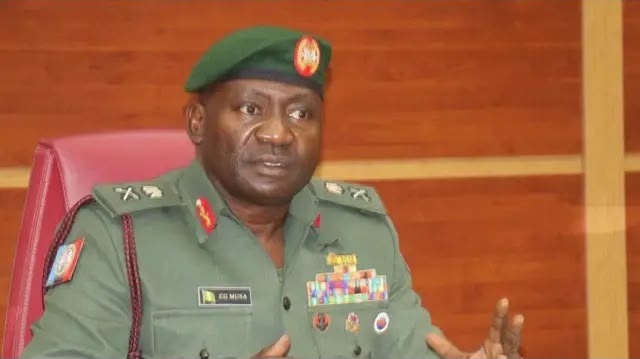
Minister of Defence, General Christopher Musa (Rtd), has dismissed speculation that he plans to resign from President Bola Tinubu’s cabinet, describing the reports as false and threatening legal action against those responsible for spreading them. Musa spoke to State House correspondents on Tuesday after meeting with President Tinubu at the Presidential Villa in Abuja. The meeting, which lasted about an hour, focused on the country’s current security situation. He said he briefed the President on ongoing security operations and expressed optimism about the progress being made in tackling insecurity. “I just came back from briefing Mr President on the current security situation, and he is very happy with us. We are going to continue doing well,” Musa said. The minister thanked Nigerians for their continued support of the armed forces, stressing that addressing insecurity requires the collective efforts of citizens alongside security agencies. “I want to seize this opportunity to appreciate Nigerians for all the support. The support has been massive. To defeat the terrorists and the bandits is a whole-of-society approach. Nigerians have keyed into it, and things are getting better, and they will continue to improve,” he added. Reacting to reports that he intended to leave office, Musa denied ever discussing resignation and described the claims as baseless. “I am not going anywhere. I have never discussed this. I don’t even know who the person is that brought that information,” he said. He warned that legal action would be taken against those behind the rumour. “But whoever it is, we will take legal action against them. We are surprised. I was shocked when I saw that. I don’t know where that came from. But you always expect that there will be people who will not be happy when things are going well.” According to the minister, recent improvements in the country’s security situation may have prompted attempts to spread misinformation. “Security is improving, things are getting better, and for them, that is a sad point. They always want to make it look as if it is not so,” he said.

Elections, Governance, Politics

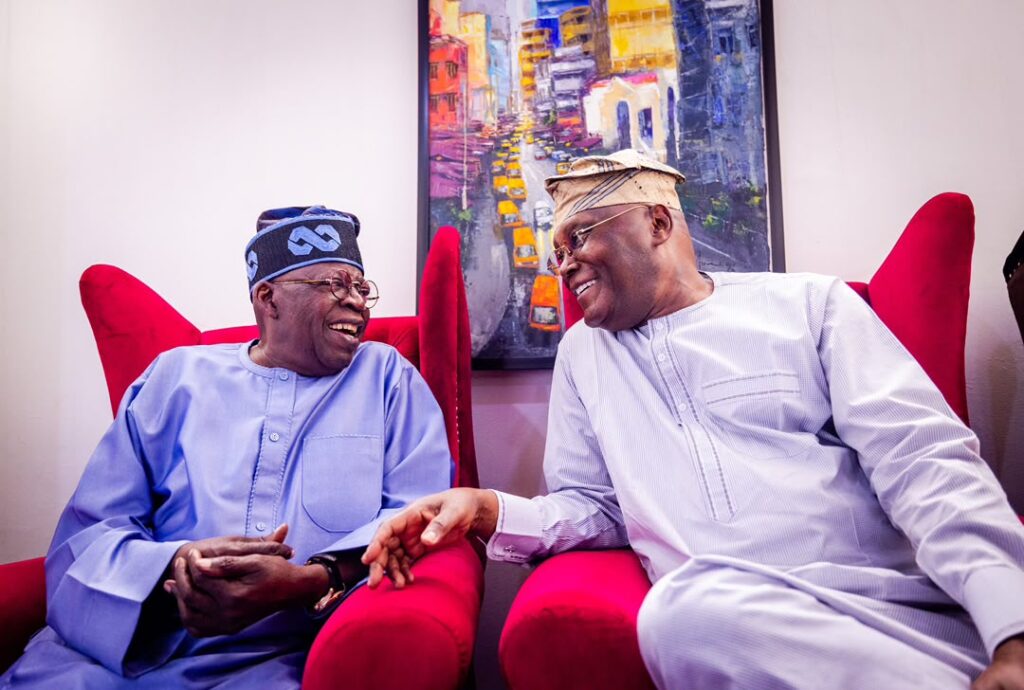
Atiku’s Lobbyists Take Tinubu’s 1990s Forfeiture Case to Trump, US Congress

A United States lobbying firm retained by former Vice President Atiku Abubakar says it has submitted documents relating to President Bola Tinubu’s 1990s civil asset forfeiture case to officials in the administration of President Donald Trump and members of the U.S. Congress. The firm, Von Batten-Montague-York, disclosed the development in a post on its official X account, stating that it is acting under a 12-month lobbying contract valued at $1.2 million with Atiku. According to the firm, it has begun distributing more than 60 pages of U.S. Department of Justice documents following engagements with officials in the Trump administration, members of Congress and senior congressional staff. The documents relate to a U.S. Drug Enforcement Administration (DEA) and Department of Justice investigation conducted in the late 1980s and early 1990s. The matter involved allegations linking Tinubu to a heroin trafficking network and a 1993 civil asset forfeiture case in Chicago. In its statement, the firm said, “Many within the U.S. government were previously unaware of the DOJ’s allegations concerning Bola Tinubu. We are changing that.” It added that the decision to brief U.S. officials was influenced by the impact of drug trafficking in the United States, describing it as a problem that has claimed thousands of lives and affected countless families. For now, the firm said it has released only a chronology summarising the Department of Justice’s allegations, including the timeline of the investigation, court filings and the forfeiture judgment. It added that it intends to ensure the complete court filings, supporting affidavit and related federal court decisions are brought to President Trump’s attention. The 1993 case involved the forfeiture of $460,000 from bank accounts linked to Tinubu while he was a private citizen in the United States. Tinubu was not criminally charged, and his representatives have consistently maintained that the matter was resolved through a civil settlement without any admission of wrongdoing. The submission marks a renewed effort to draw international attention to decades-old U.S. court records as political activities ahead of Nigeria’s 2027 general election gather momentum. There was no immediate response from the Presidency or the White House at the time of the firm’s announcement. However, President Tinubu’s media team has previously dismissed renewed references to the case as politically motivated. The lobbying firm said it would continue pushing for wider circulation of the documents within the U.S. government, a move that could revive discussions around historical legal records and their implications for Nigeria-U.S. relations.