The Click Report

Audio Brief

Listen to the latest top stories and editorial summary.

2026

Metro

Military Rescues 15 NYSC Members, Six Others in Kogi

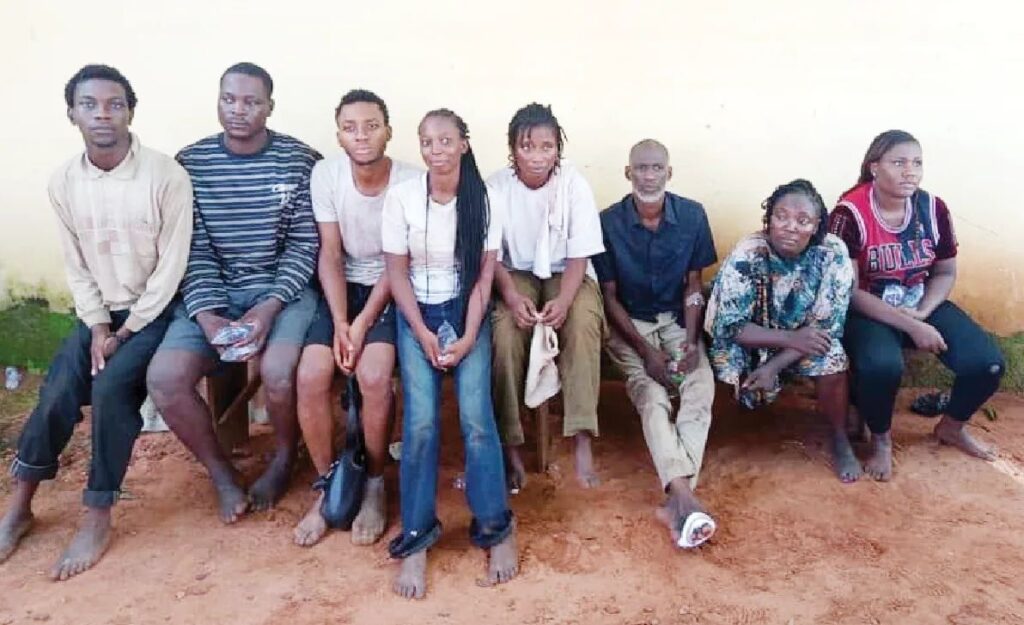
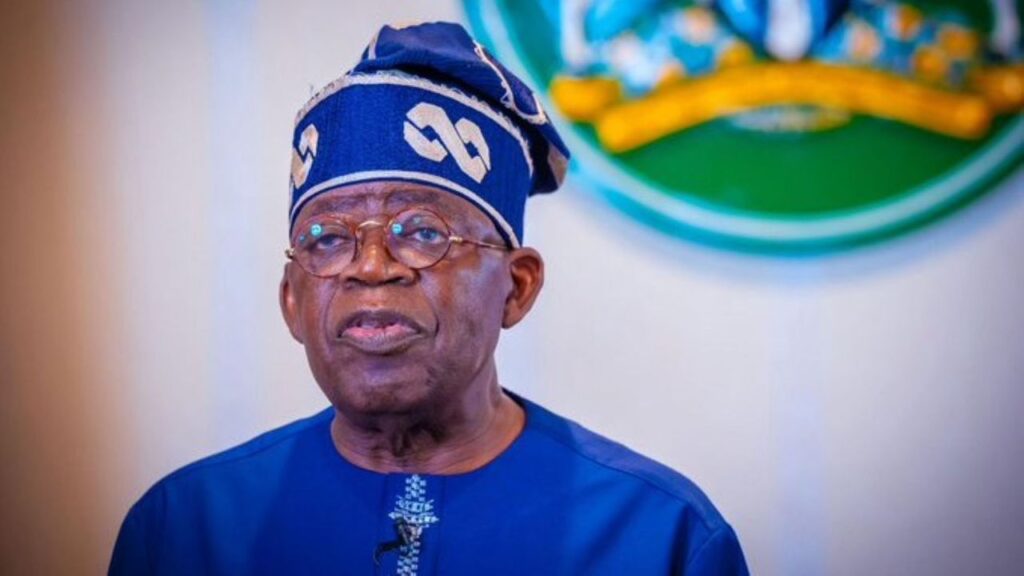
The Nigerian military had rescued 21 people who were abducted in Kogi State, including 15 National Youth Service Corps members. The victims, comprising eight males and 13 females, were rescued from the Egume-Ochaja forest after they were kidnapped while travelling from Abuja to Bayelsa State. The Director of Defence Media Operations, Major General Michael Onoja, said the rescue followed intensified military operations and intelligence sharing with other security agencies. He added that troops had continued operations against terrorists and criminals in Kogi and other parts of the country. President Bola Tinubu also welcomed the rescue, saying the victims were receiving medical attention before being reunited with their families. He said security forces remained on the trail of the fleeing kidnappers and would ensure those responsible faced the full weight of the law.

Politics

Subsidy: APC Defends Tinubu, ADC Questions Trillion-Naira Spending

The All Progressives Congress (APC) defended President Bola Tinubu’s economic reforms, particularly the removal of fuel subsidy, saying the policies had increased government revenue and improved the business environment. However, the African Democratic Congress (ADC) called on the Federal Government to explain how the additional revenue generated from the reforms had benefited Nigerians. The ADC cited figures showing that subsidy removal and foreign exchange reforms generated about N15.8 trillion in additional resources for the Federation between June 2023 and December 2025. The party also questioned the use of N47.25 trillion reportedly distributed to states through FAAC during the same period. The party argued that despite increased government revenues, Nigerians had faced higher petrol prices, food inflation and rising transportation costs. It challenged the APC to show Nigerians the tangible benefits of the reforms ahead of the 2027 elections. Meanwhile, the Presidency defended the reforms, saying they had begun to restore investor confidence and create opportunities for businesses. Presidential aide Hafiz Abdullahi said entrepreneurs were gradually adapting to the new economic environment and benefiting from improvements in the foreign exchange market. APC National Chairman Nentawe Yilwatda also warned against returning to fuel subsidy, arguing that doing so could reduce government revenues and affect funding for salaries, education, healthcare and infrastructure. Former Cross River State Governor Donald Duke, however, described the subsidy debate as a “scam” and argued that petrol could sell for about N200 per litre if Nigeria properly harnessed its crude oil resources and petroleum by-products.

General News

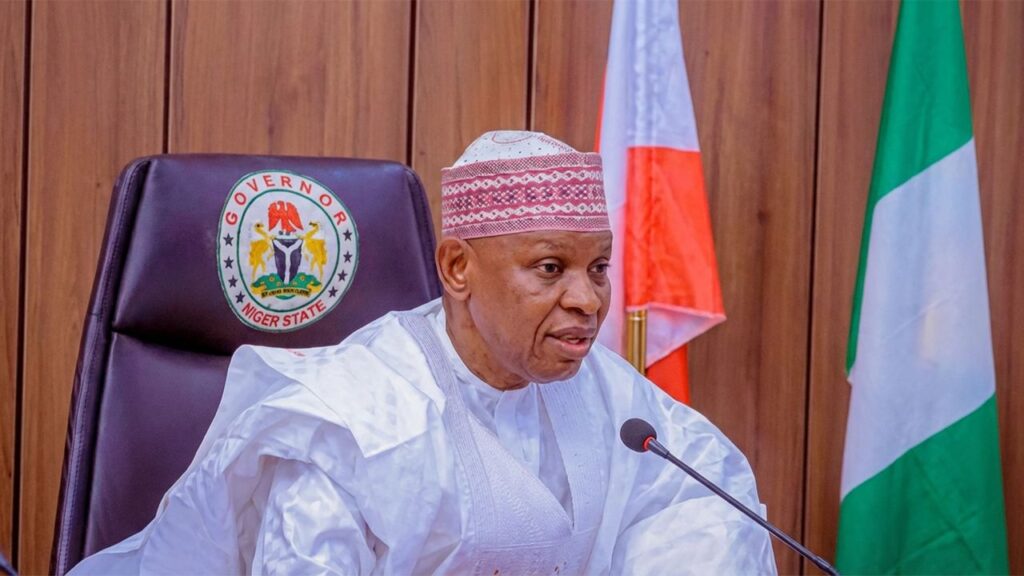
Diphtheria: Kano Seeks 9m Vaccine Doses as Niger Death Toll Hits 11

The Kano State Centre for Disease Control had called for the immediate supply of nine million doses of diphtheria vaccines to help contain the spread of the disease in the state. The agency said more than 16,000 children in communities across Rano Local Government Area had not received any routine vaccination, leaving them vulnerable to infectious diseases. The Director-General of the KNCDC, Professor Muhammad Abbas, said the state had investigated about 39,000 suspected diphtheria cases between December 2022 and August 2026, with about 32,000 confirmed and 1,800 deaths recorded. He said over 55 per cent of confirmed cases involved children who had received no vaccination. Abbas added that diphtheria had been reported in more than 27 local government areas, although the situation was largely under control due to improved surveillance and response efforts. Meanwhile, in neighbouring Niger State, 11 people had reportedly died from diphtheria in Chachanga and Katcha local government areas, with 124 cases confirmed and 84 patients treated and discharged.

General News

Nigeria Expresses Concern Over Niger Republic Crisis

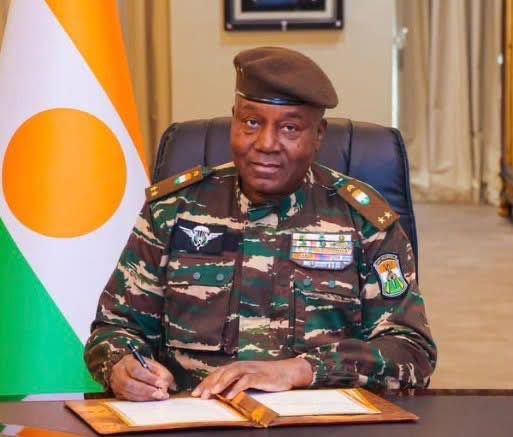
The Federal Government had expressed concern over the political and security situation in the Republic of Niger following gunfire and explosions reported in the capital, Niamey, on Saturday. The Diori Hamani International Airport and the presidential palace were reportedly targeted during the incident. The Nigerien military junta said some military personnel had attempted to overthrow the government but were repelled by security forces, with assistance from the African Corps. In a statement, Nigeria’s Ministry of Foreign Affairs said the government wanted peace, security, democracy and development to prevail in Niger. It also warned that using force to resolve political differences could undermine stability in the country and the wider Sahel region. The Federal Government therefore urged the Nigerien government and citizens to work together towards an inclusive return to stability and constitutional order.

Politics

2027: G-100 Tells Atiku, Obi, Others to Embrace Cooperation

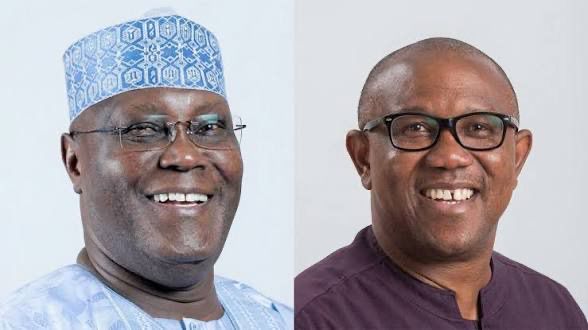
A group of opposition politicians, known as G-100, had urged opposition leaders and presidential hopefuls to prioritise cooperation ahead of the 2027 general elections. In a statement issued by former APC chieftain Salihu Lukman, the group called on leaders including Atiku Abubakar, Peter Obi and other opposition figures to work together despite their political differences. G-100 said a divided opposition could strengthen the incumbent government by splitting votes and resources. It urged the parties to approach their planned summit in Abuja with an open mind and place Nigeria’s interests above personal ambitions. The group said cooperation did not require political parties to abandon their identities or aspirations, but stressed that a united opposition would provide Nigerians with a stronger alternative in the 2027 elections.

General News

Xenophobia: Tinubu Escalates South Africa Issue to AU

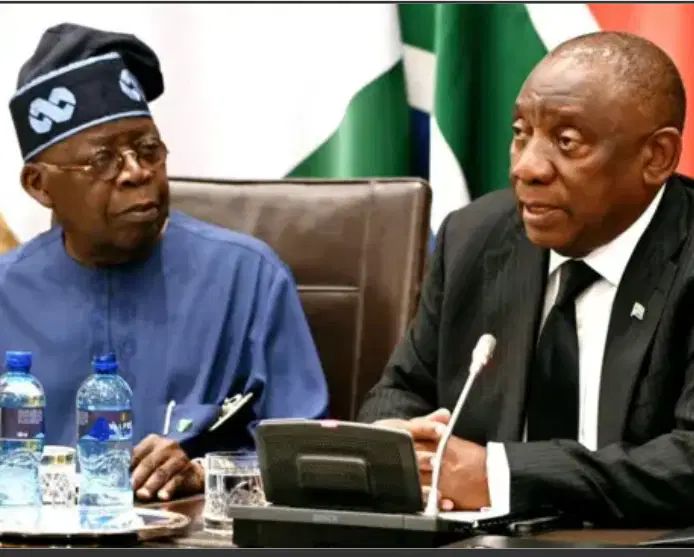
President Bola Tinubu has formally raised concerns over recurring xenophobic and Afrophobic attacks against Africans and other nationals in South Africa before the African Union. Tinubu, through Vice President Kashim Shettima, called for urgent collective action from African leaders, saying the attacks threatened the continent’s unity, solidarity and peaceful coexistence. He urged the AU to place the issue on the agenda of its 40th Ordinary Session scheduled for January 2027, while calling for stronger measures to protect the safety and dignity of African nationals. The President also advocated dialogue, preventive diplomacy and collective action in tackling xenophobia and other security challenges across the continent. Nigeria further backed the Luanda Action Plan on conflict prevention and called for sustainable funding for AU peace operations, as well as stronger efforts to prevent weapons from reaching terrorist groups. NAIJA Presidency Explains Tinubu’s Three-Week European Vacation The Presidency has explained that President Bola Tinubu’s three-week vacation in Europe was meant to allow him to rest and recharge after months of intensive government engagements. Special Adviser to the President on Media and Public Communications, Sunday Dare, said Tinubu had spent the past six to seven months handling major decisions on the economy, security and other areas of governance. Dare explained that the timing of the break also coincided with the beginning of political activities ahead of the 2027 general elections. He said Tinubu would face several months of intense campaigning while still carrying out his responsibilities as President, adding that the vacation would give him time to recharge before the demanding political season.

Business

Nigeria’s Economy Bleeds from Steel Imports

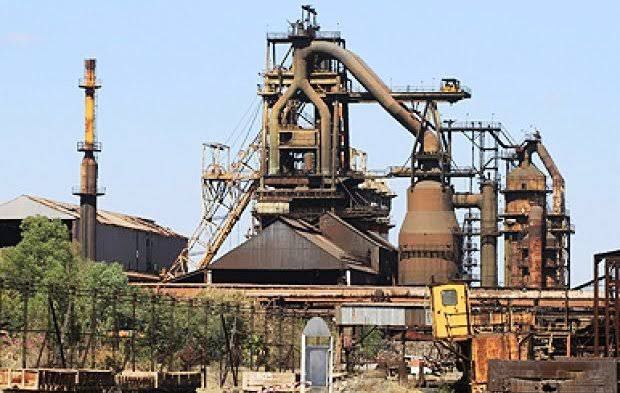
Nigeria spent more than N1 trillion on iron and steel imports in 2025, despite having the largely idle Ajaokuta Steel Complex in Kogi State, according to data from the National Bureau of Statistics. The figure was part of an average annual import bill of about N526 billion recorded over the past six years. The Minister of Steel Development, Prince Shuaibu Abubakar Audu, however, estimated that Nigeria spends about $4 billion, or N5.6 trillion, annually on iron and steel imports. Ajaokuta Steel Complex was designed to produce up to 5.2 million tonnes of steel annually and supply products for construction, manufacturing, transportation, infrastructure and other industries. The complex, which has remained largely inactive for more than four decades, was also expected to create hundreds of thousands of direct jobs, generate millions of indirect jobs and reduce Nigeria’s dependence on imported steel. The President of the National Association of Steel Workers, Oyabugbe Sunday, said Nigeria was losing out by exporting raw materials while importing finished steel products at higher costs. He said reviving Ajaokuta would reduce foreign exchange outflows, increase local value addition and strengthen Nigeria’s industrial base. Several attempts by successive administrations to revive or concession the plant have failed. Previous arrangements involving private investors collapsed amid allegations of non-performance, lack of transparency and legal disputes. In 2019, Russia offered to provide about $460 million in funding and technical support to complete Ajaokuta, while Afreximbank reportedly pledged an additional $1 billion. However, the agreement was not completed before the Buhari administration left office. The Federal Government also established the Ajaokuta Presidential Project Implementation Team in 2020 to accelerate the plant’s revival, but the initiative reportedly made little progress amid alleged conflicts of interest. The revival of Ajaokuta was also one of President Bola Tinubu’s campaign promises in 2023. While campaigning in Kogi State, Tinubu pledged to revive the steel complex and dredge the River Niger to support transportation and logistics. Three years into his administration, however, the steel complex remains largely idle, while Nigeria continues to spend billions of naira on imported steel products.
Business

Nigeria Records $947m Remittance Inflow in July

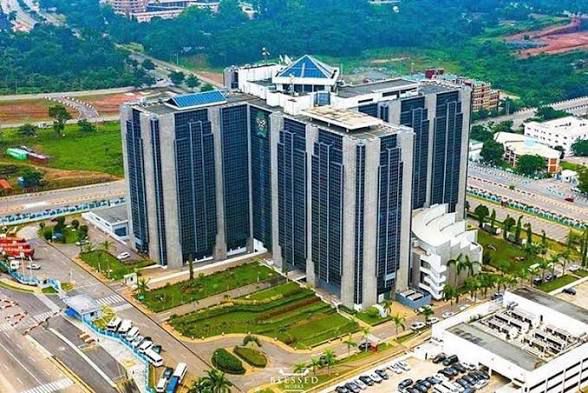
Nigeria’s formal remittance inflows rose to a record $947 million in July 2026, bringing the country closer to the Central Bank of Nigeria’s target of attracting at least $1 billion monthly through official channels. The July figure represented the highest monthly inflow recorded through International Money Transfer Operators and followed a series of reforms introduced by the CBN to strengthen formal remittance channels. Between January and July 2026, total inflows through IMTOs reached $3.8 billion, representing a 50.2 per cent increase compared with the same period in 2025. CBN Governor, Olayemi Cardoso, said the latest figure placed Nigeria about $53 million away from the $1 billion monthly target. Cardoso said the increase was linked to measures aimed at making formal remittance channels more competitive, transparent and accessible. The reforms included a more market-driven exchange rate, changes to regulations governing IMTOs and the introduction of the Non-Resident Bank Verification Number. The CBN also tightened requirements for remittance transactions to pass through designated settlement accounts with authorised dealer banks. The apex bank said the growth in formal remittances could improve foreign exchange liquidity and transparency while supporting household consumption, investment and Nigeria’s external financing position. Cardoso said the CBN’s goal was not only to reach the $1 billion monthly mark but to sustain inflows above that level. He added that the bank would continue working with diaspora communities, banks and money transfer operators to reduce transaction barriers and encourage more Nigerians abroad to use formal remittance channels.

Politics

Fasehun’s OPC backs Tinubu for second term

The faction of the O’odua People’s Congress led by the late Dr Frederick Fasehun has endorsed President Bola Tinubu for a second term in the 2027 presidential election. The group announced its support for Tinubu in Lagos on Saturday during its 32nd Founders’ Day celebration and the inauguration of a new National Executive Council. Speaking at the event, the re-elected OPC President, Wasiu Afolabi, said the organisation would work for Tinubu’s re-election, just as it supported his presidential bid in 2023. Afolabi said the OPC considered any Yoruba person occupying the presidency as a collective project of the organisation, adding that the group would continue to support Tinubu if the right conditions were provided. He also urged other regions to back the President’s second-term bid, saying this would allow Tinubu to continue with the reforms initiated by his administration. The OPC president further recalled the group’s origins in 1994, saying it was established by Fasehun following the annulment of the June 12, 1993 presidential election won by the late MKO Abiola. The chairman of the occasion, Wale Oshun, also described the OPC as an important organisation in Nigeria’s democratic struggle. He said the group’s continued existence and growth, eight years after the death of its founder, demonstrated the strength of Fasehun’s vision.

Metro

Zamfara woman, 55, narrates ordeal with bandits

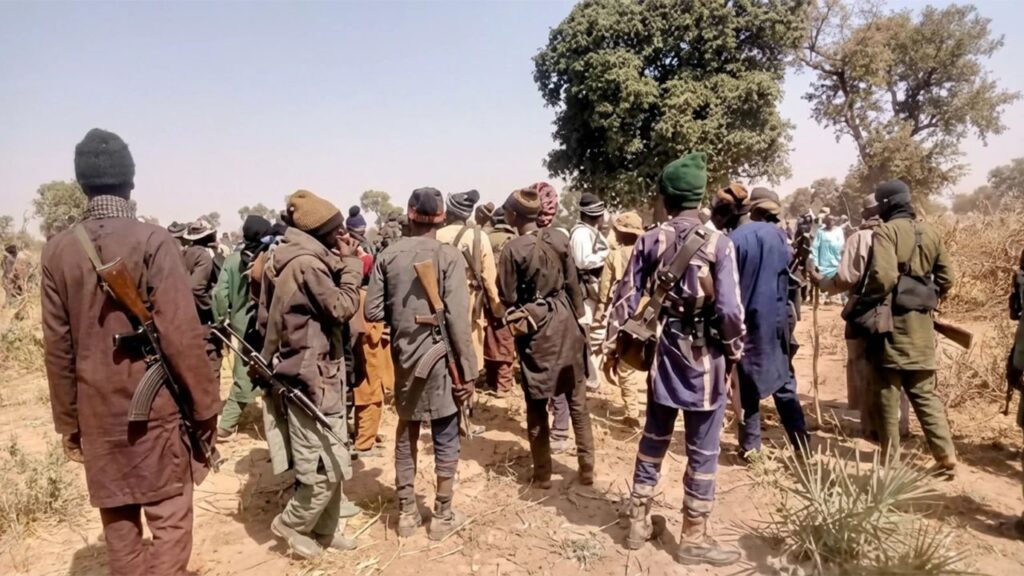
A 55-year-old woman in Zamfara State, Fatima, has recounted the devastating experience of bandit attacks that forced her and other residents to flee their communities. Speaking to the BBC Hausa service, Fatima said bandits attacked her village around 2 a.m., dividing themselves into three groups to surround the community and block escape routes. She said residents faced deadly choices, as those who hid indoors had their homes set on fire, while those who attempted to escape were shot. Fatima claimed that about 70 people, including children, were killed during an attack on Bia Buki village in June. She said her husband and six of her seven siblings were among those killed. According to her, the attackers sometimes arrived on as many as 100 motorcycles, with about three people riding on each motorcycle. Following the attack, Fatima and other residents fled into a nearby forest with their children before eventually making their way to Gusau, the Zamfara State capital. She now lives in a temporary camp with her seven children, aged between nine and 30, where she said food, shelter and other forms of assistance remained inadequate. Fatima also alleged that 22 displaced children who were sent to gather firewood for sale were abducted by bandits. She said security had improved slightly following patrols by soldiers and government-backed vigilantes, but residents remained afraid of returning home. Data cited by the BBC showed that bandit attacks in north-western Nigeria increased significantly in the first half of 2026. The Armed Conflict Location & Event Data project reported a 78 per cent rise in attacks compared with the same period in 2025. SBM Intelligence also estimated that 7,825 people were kidnapped across Nigeria between July 2025 and June 2026, while about N7.8 billion was reportedly paid as ransom. Security analyst Malik Samuel of Good Governance Africa said no part of northern Nigeria was currently completely free from large-scale kidnapping. Fatima said she had been told that bandits had established a camp close to her community, with one of their leaders allegedly acting as a de facto authority and settling disputes among residents. She said several neighbouring villages had been completely deserted, adding that returning home without adequate security would expose residents to further attacks and hardship. Despite her desire to return, Fatima said the continuing insecurity had left her and thousands of other displaced Nigerians uncertain about when they could safely return to their communities.