Obi: Opposition Parties Will Unite to Rescue Nigeria in 2027
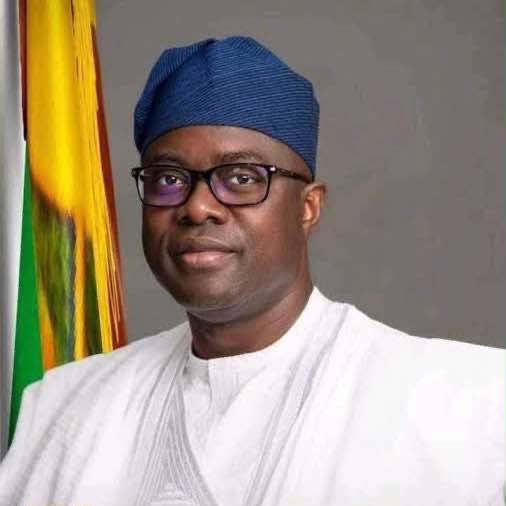
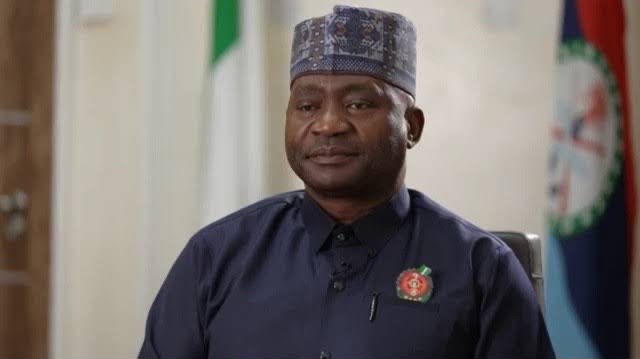
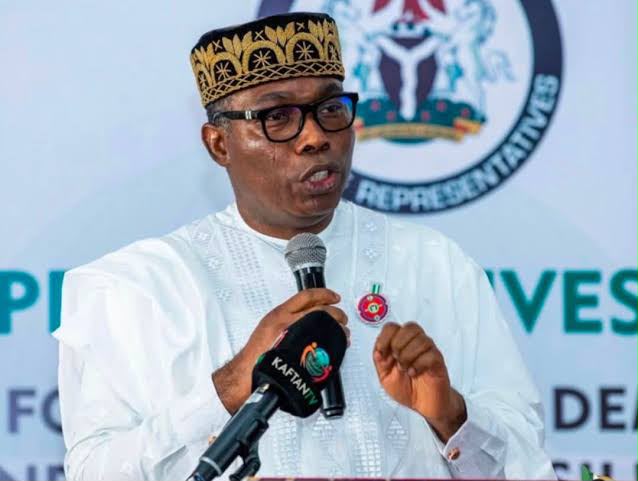
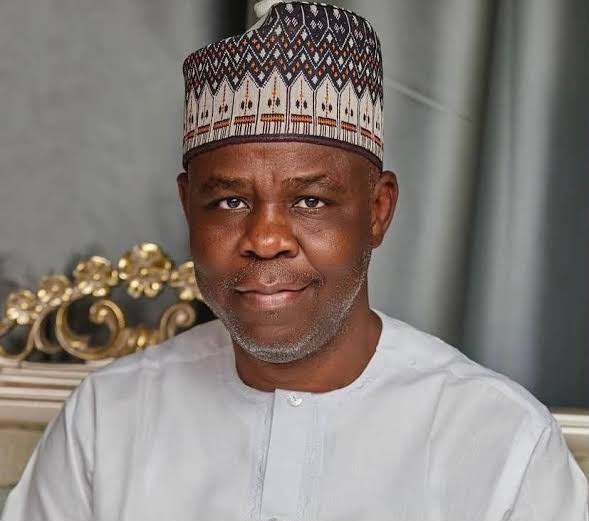
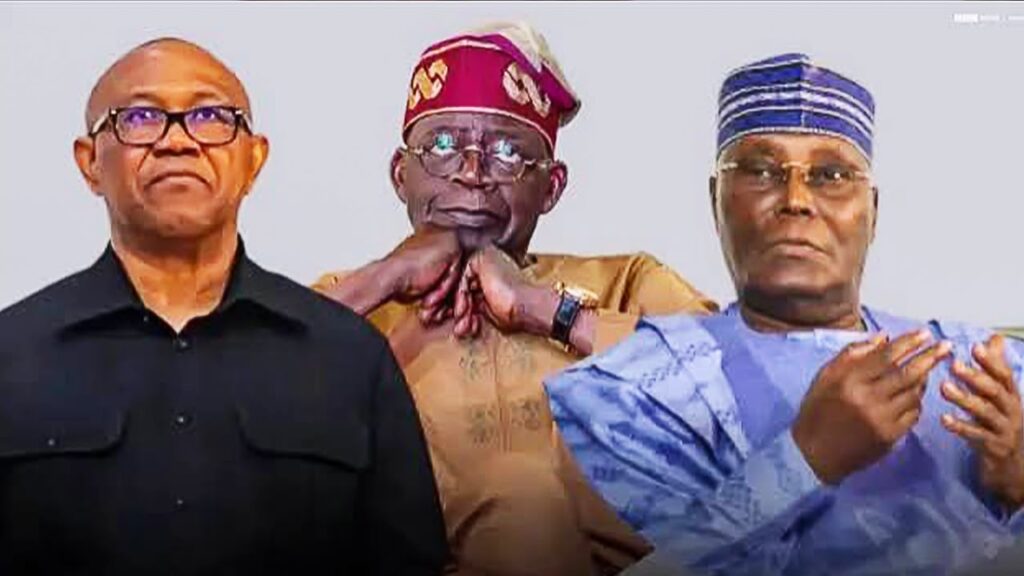
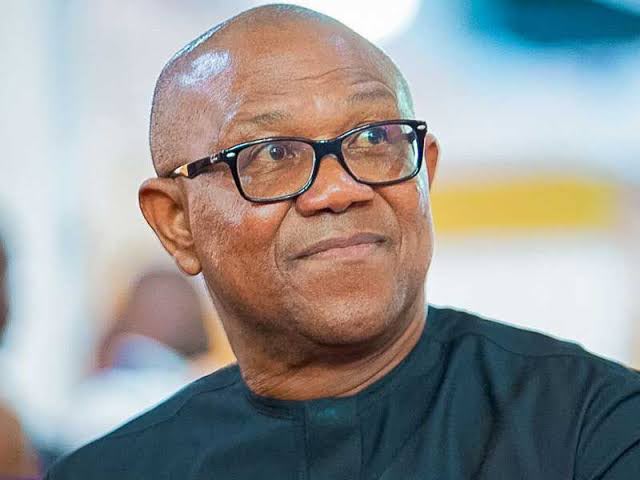
Presidential candidate of the Nigeria Democratic Congress, NDC, Peter Obi, says opposition leaders will work with whoever Nigerians elect as president in a free, fair and credible 2027 election. Obi made the statement in Abuja at the commissioning of the presidential campaign headquarters of Allied Peoples Movement, APM, candidate Seyi Makinde. He said individual political ambitions should not stand in the way of efforts to rescue the country, stressing that opposition candidates are not desperate for power. Obi, who described Makinde as qualified to become president, said whoever wins the 2027 election genuinely will receive the support of other opposition leaders to build a better Nigeria. He said the country’s economic and security challenges require politicians to put the interests of citizens above personal ambitions. Obi said Nigerians are struggling with poverty, hunger and insecurity, adding that political competition should not lead to hostility among opposition figures. He also expressed support for a Nigeria where citizens can succeed regardless of their background or connections. Meanwhile, Makinde dismissed claims that his presidential ambition should not be taken seriously, recalling that similar doubts were expressed before he became governor of Oyo State. The APM candidate said those who dismiss his presidential bid are also discounting the hopes and aspirations of millions of Nigerians seeking a better country. Makinde said his “Reset Nigeria” campaign will take its message to homes, markets, schools, offices, farms, factories and communities. He also called for greater transparency and accountability in the management of Nigeria’s resources, saying increased national wealth must translate into improved living conditions for citizens. Makinde clarified that he is not advocating a return to the old fuel subsidy regime, but wants Nigerians to benefit more from the country’s status as an oil-producing nation through transparent pricing and domestic refining. Bauchi State Governor and APM National Leader, Bala Mohammed, described the 2027 election as an opportunity to build a new Nigeria. Mohammed said Makinde has demonstrated the leadership capacity needed to “reset Nigeria,” while APM National Chairman, Yusuf Dantalle, described the opening of the campaign headquarters as the formal beginning of the party’s 2027 presidential campaign.