The Click Report

Audio Brief

Listen to the latest top stories and editorial summary.

Politics

Politics

Osun SSG Regains Freedom After Police Release

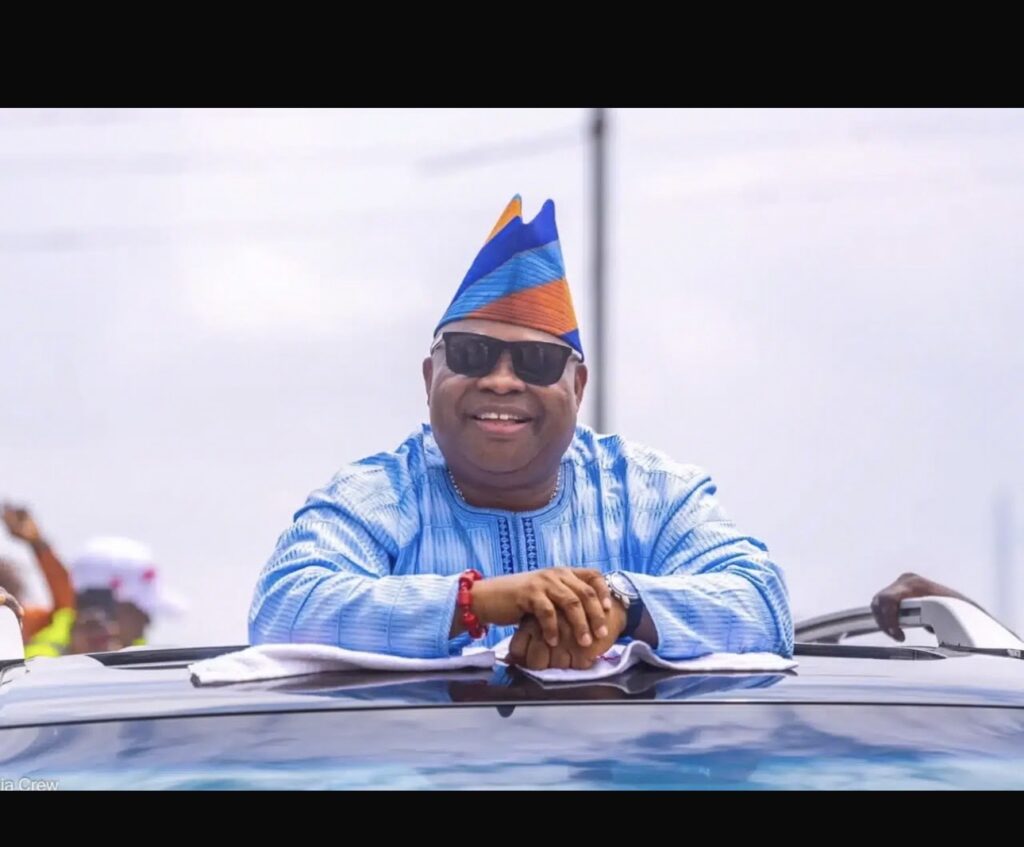
The Osun State Police Command has released the Secretary to the Osun State Government (SSG), Teslim Igbalaiye, following his arrest during a police operation in Osogbo. The development was announced on Thursday by Pelumi Olajengbesi, spokesperson for the Imole Campaign Council, which is leading Governor Ademola Adeleke’s re-election campaign. In a statement shared on Facebook, Olajengbesi thanked the Inspector General of Police and the Osun State Commissioner of Police for responding to public concerns and releasing the SSG. He described the arrest as unlawful and praised the police for upholding justice and the rule of law. Olajengbesi also commended Igbalaiye for what he described as his courage and dedication to the people of Osun State. The spokesperson for the Osun State Police Command, Abiodun Ojelabi, also confirmed Igbalaiye’s release. Igbalaiye and five others were arrested on Wednesday after police raided his residence in Osogbo. According to the police, the operation was based on intelligence indicating that suspected criminals were hiding at the location. During the raid, officers reportedly arrested a man identified as Oladele Abiodun, who was said to be on the police watchlist. Other individuals arrested include Akande Taiwo, Adeyemo Lukman, Olaoye Muftau and Aderemi Musliu. Police also recovered ₦4.81 million in cash, two Permanent Voter Cards, a voter register covering Wards 1 to 15, a Dynabook laptop, a photocopy machine and a printer. The items have been taken into police custody for forensic examination and further investigation. Ojelabi stated that the recovered cash and voter register raised concerns about possible electoral offences. He said investigators were examining allegations that could include vote buying under Section 121 of the Electoral Act 2022, criminal conspiracy, harbouring a wanted suspect and any other offences that may emerge during the investigation. Before the SSG’s release, Speaker of the Osun State House of Assembly, Adewale Egbedun, alleged that the arrest was politically motivated. He claimed the Commissioner of Police ordered Igbalaiye’s arrest after an incident at an Independent National Electoral Commission stakeholders’ meeting where the commissioner was reportedly booed by attendees and noticed the SSG laughing. Egbedun further alleged that Igbalaiye was informed that police officers were waiting outside his residence before the raid. The police, however, maintained that the operation was intelligence-driven and conducted as part of an ongoing investigation into alleged criminal activities and possible electoral offences.
Politics

Adeleke Claims Police Relocated More Than 60 Accord Leaders to Abuja Custody

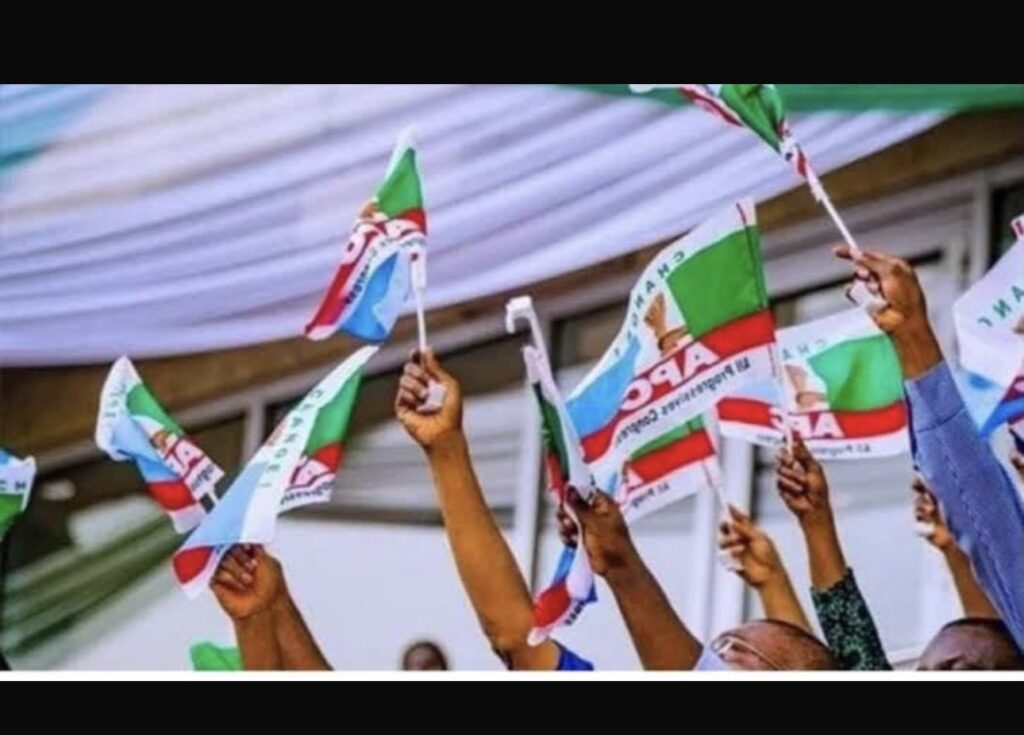
Osun State Governor, Ademola Adeleke, has alleged that more than 60 leaders of the Accord Party were arrested by the police and transferred to correctional facilities in Abuja and Nasarawa State despite the availability of courts in Osun State. Adeleke made the allegation on Thursday while speaking at a peace summit in Osogbo ahead of the August 15 governorship election. In a statement shared on his X account, the governor claimed that his administration and supporters had been subjected to sustained attacks over the past three months, accusing former Osun State Governor and Minister of Marine and Blue Economy, Gboyega Oyetola, of orchestrating the violence. “I should have boycotted this peace meeting because of the violence unleashed on Osun State in the last few months, on the directive of Gboyega Oyetola,” Adeleke said. “Our gathering is to endorse peace, but my government and people are facing police-sanctioned violence and intimidation.” The governor also accused the Osun State Police Command of aiding attacks against his supporters. According to Adeleke, more than 60 Accord Party leaders, including the party’s House of Representatives candidate, Hon. Alaba, were arrested and moved to correctional facilities in Abuja and Nasarawa State. “Why Abuja? We have both the Federal High Court and State High Courts in Osun State, where anyone can be arraigned,” he said. Adeleke further alleged that the Secretary to the State Government, Teslim Igbalaye, was arrested on what he described as fabricated charges after police officers allegedly raided his residence without a court-authorised warrant. The governor claimed that eight members of his party had been killed and more than 20 others injured in recent attacks, alleging that none of the perpetrators had been prosecuted. “There is no single prosecution or active arrest till date. The perpetrators are known Osun APC thugs with crimes committed in the presence of the police,” he alleged. He appealed to the Inspector-General of Police to return those in custody to Osun State and prosecute them in courts within the state if there was evidence they had committed any offence. “Those remanded in prisons should be returned to Osun State and charged before courts in Osun State if the police can show they have committed any crime,” Adeleke said. The governor also called on President Bola Tinubu to caution Oyetola and the Osun State Commissioner of Police against what he described as further acts of intimidation and violence. The allegations come after the police arrested Igbalaye and five other individuals over alleged vote-buying. Police spokesperson Abiodun Ojelabi said officers recovered ₦4.8 million and other electoral materials from a residence linked to the Secretary to the State Government. Political tension has continued to rise in Osun State ahead of the August 15 governorship election, with the Accord Party and the All Progressives Congress (APC) trading accusations over recent incidents of violence and intimidation.

Politics

Council Chairmen Say APC Governors Are Implementing LG Autonomy

The Forum of Local Government Chairmen of the All Progressives Congress (APC) has said governors elected on the party’s platform are committed to implementing the Supreme Court judgment granting financial autonomy to Nigeria’s 774 local government councils. Chairman of Chanchaga Local Government Area in Niger State and Chairman of the Progressives Local Government Chairmen Forum, Dr Mustafa Jibril Alheri, made the remarks while briefing journalists in Abuja after leading members of the forum to a meeting with the APC national leadership. Alheri dismissed claims that APC governors were resisting the implementation of local government autonomy, describing the process as gradual and noting that relations between council chairmen and their governors remain cordial. “I want to also use this opportunity to assure you that we have the support of our governors. My own governor, the Governor of Niger State, Farmer Mohammed Umar Bago, is a strong supporter of the President of the Federal Republic of Nigeria and one of the greatest leaders we have had regarding the issue of local government autonomy,” he said. According to him, several APC-controlled states are already implementing the Supreme Court ruling as part of a transition process. “The President has been pursuing this for a very long time, and a lot of our states, especially the progressive states, are enjoying full autonomy. It is a gradual transition process that has been going on for a long time. The APC, through the leadership of the President, is committed to ensuring complete local government autonomy,” Alheri added. The Supreme Court, in a landmark judgment delivered in July 2024, affirmed the financial autonomy of local governments and ruled that allocations from the Federation Account should be paid directly to local councils. In the unanimous judgment delivered by Justice Emmanuel Agim on behalf of a seven-member panel, the apex court held that it is unconstitutional for state governors to receive and withhold funds meant for local government areas. Despite the ruling, several states have yet to fully implement the decision, prompting President Bola Tinubu to warn at the APC National Executive Committee meeting in December that he could issue an Executive Order to enforce compliance. Responding to concerns over delays, Alheri maintained that the implementation process is progressing steadily. “In Niger State, we are receiving all the support we need from our governor, and most states under the Progressive Local Government leadership are also enjoying similar cooperation. We are working together with our governors, slowly but surely, toward complete autonomy,” he said. He added that local government chairmen are actively involved in decisions taken by their state governments and expressed confidence that full local government autonomy would eventually be achieved nationwide. Alheri also expressed optimism that more governors would embrace the policy, saying the APC remains committed to strengthening local government administration across the country.

Politics

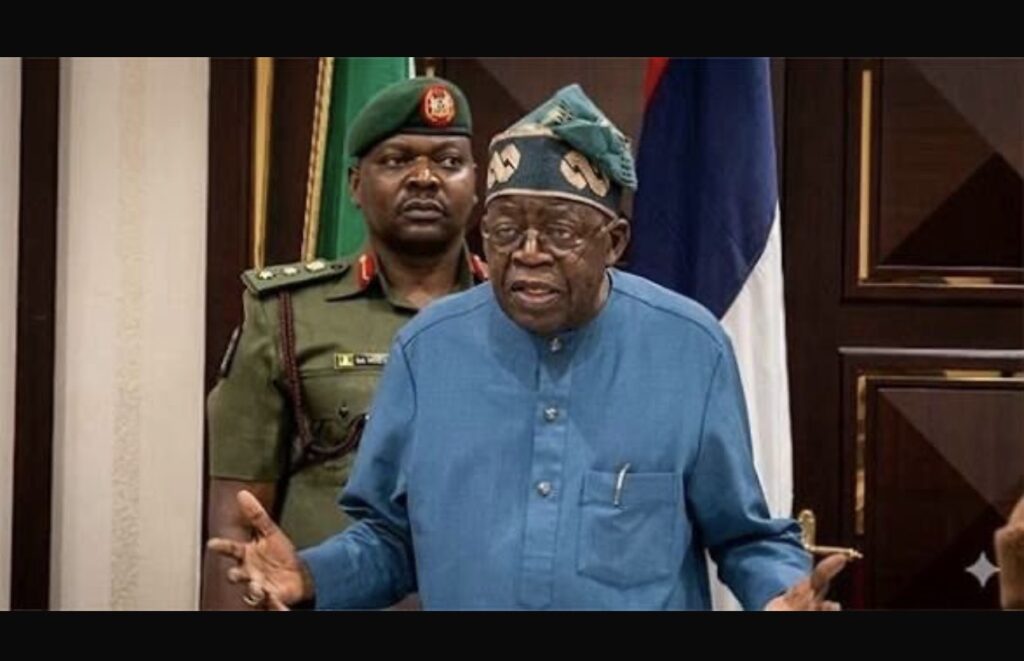
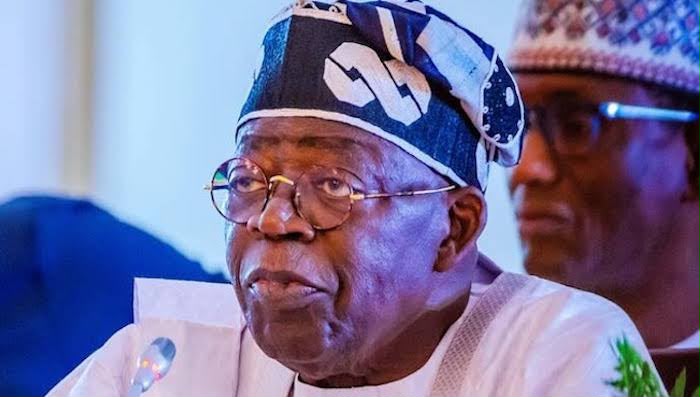
Tinubu to Ex-PIC Secretary, Members: Stop Posing as Federal Government Officials

The Presidency has directed the former Secretary of the Presidential Implementation Committee (PIC) on the Alienation of Federal Government Properties and its members to immediately stop presenting themselves as representatives of the Federal Government. It said the committee ceased to exist with effect from November 5, 2025, following President Bola Tinubu’s approval of its dissolution. In a statement issued by the President’s Special Adviser on Information and Strategy, Bayo Onanuga, the Presidency said all matters relating to the committee’s activities have been transferred to the Attorney General of the Federation and Minister of Justice, Prince Lateef Fagbemi (SAN). President Tinubu also directed the committee’s former Secretary, B. S. Dutsin-Ma, to stop acting on behalf of the dissolved committee and the Federal Government on issues related to its former responsibilities. According to the statement, the dissolution takes retrospective effect from November 5, 2025, the date the President ordered the Attorney General to assume responsibility for all matters concerning the committee. The Presidency explained that the Presidential Implementation Committee was established in 2000 during the administration of former President Olusegun Obasanjo to oversee the privatisation, sale and lease of Federal Government landed assets under the government’s monetisation policy. The committee was chaired by the then Minister of Housing and included representatives from the ministries of Transportation, Justice, Health and Agriculture, as well as the Nigeria Police Force. Its pioneer secretary was Prof. P. T. Ahire, then a Deputy Director in the Office of the Secretary to the Government of the Federation, while its membership comprised representatives from both the public and private sectors. The statement recalled that on March 22, 2001, the Federal Executive Council approved the establishment of a Panel of Inquiry to prepare a White Paper for implementing recommendations arising from the committee’s work. The panel spent 21 months before submitting its report. According to the Presidency, a review of the committee’s operations revealed that its activities had extended beyond its original mandate, resulting in multiple legal disputes across the country. It said the Federal Government concluded that the committee’s continued existence was no longer necessary, prompting President Tinubu to dissolve it and transfer all related responsibilities to the Office of the Attorney General of the Federation. The Presidency added that all matters relating to the alienation of Federal Government properties will henceforth be handled exclusively by the Office of the Attorney General of the Federation and Minister of Justice.

Politics

Oshiomhole Raises Concern Over Neglected Federal Roads

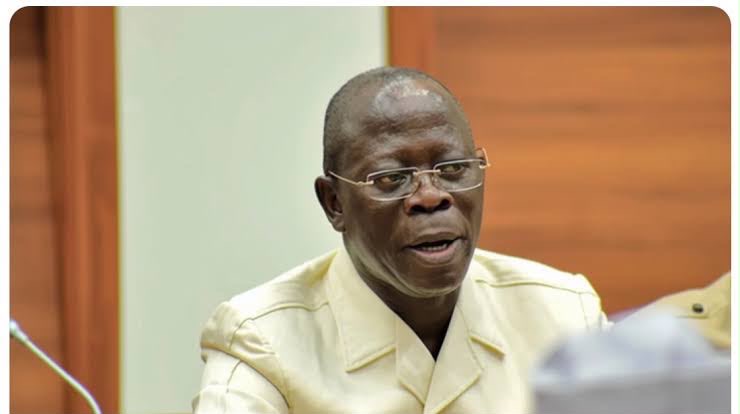
Former Edo State Governor and Senator representing Edo North, Adams Oshiomhole, has accused the Minister of Works, David Umahi, of neglecting critical federal roads in Edo and Delta states, urging the Senate to call for a more equitable distribution of road infrastructure projects across the country. Speaking during plenary, Oshiomhole expressed concern over the deteriorating condition of major highways linking Edo and Delta, despite the Federal Government’s approval of several new road projects. He questioned the decision to embark on additional road projects while many existing federal highways remain in poor condition. “The Federal Minister of Works needs to be guided. Whereas we have many existing roads that are in terrible condition, new roads are being proposed when the existing ones have not been properly addressed. Just three weeks ago, about 20 new roads were approved,” he said. The senator alleged that Edo and Delta states have suffered unfair treatment in the allocation of federal road infrastructure, pointing to the deplorable state of the Benin–Warri, Benin–Asaba, Benin–Auchi and Auchi–Okene highways. “Yet, between Edo and Delta States, there is a manifest bias in the actions of the Minister of Works. You cannot travel from Benin to Warri; you cannot travel from Benin to Asaba; you cannot travel from Benin to Auchi; and you cannot travel from Auchi to Okene without encountering serious challenges. What have we done wrong?” Oshiomhole asked. He further claimed that the minister has repeatedly failed to make budgetary provisions for the affected road corridors, adding that ongoing interventions were only made possible after President Bola Tinubu approved the use of tax credits to fund parts of the projects. “I believe the Minister has consistently demonstrated that there is no federal allocation for these critical roads. It is only through Mr. President’s goodwill that he directed the use of tax credits to address part of this section. Otherwise, in the budgets of the past three years, despite the first motion moved under your leadership to draw the Minister’s attention to the matter, the Federal Minister of Works has deliberately failed to include the portions bordering Edo and Delta States in the national budget,” he said. Oshiomhole appealed to the Senate leadership to urge the Minister of Works to adopt a more balanced and national approach to the execution of federal road projects. “Therefore, I plead with you to urge the Minister to be more balanced and to adopt a truly national outlook in carrying out his responsibilities,” he added.

Politics

Bill Seeking Mandatory Drug Tests for Truck Drivers Passes Through Reps

The House of Representatives is considering a bill that would require truck drivers across Nigeria to undergo mandatory drug tests every six months as part of efforts to reduce the rising number of tanker and trailer accidents on the country’s roads. The proposed legislation was disclosed on Tuesday by the lawmaker representing Nnewi North/Nnewi South/Ekwusigo Federal Constituency in Anambra State, Peter Uzokwe, who is sponsoring the bill. Speaking during an interactive session with key stakeholders in the downstream petroleum sector, including the Depot and Petroleum Products Marketers Association of Nigeria (DAPPMAN), the Major Energies Marketers Association of Nigeria (MEMAN), and the Independent Petroleum Marketers Association of Nigeria (IPMAN), Uzokwe said substance abuse among truck drivers is a major contributor to accidents involving heavy-duty vehicles. He explained that the bill, which is scheduled for its second and third readings in the House, seeks to make routine drug screening compulsory for all truck drivers. “It is in my bill, coming up for second and third reading, that all truck drivers should be tested for drugs at least once every six months,” he said. Uzokwe argued that driver training alone cannot prevent accidents if drivers operate vehicles while under the influence of illicit substances. “You can train a driver who is a drug addict. He may drive well, but once the substance takes control, he will no longer drive the way he was trained. “You can see the trailer and tanker accidents we are having. These are things that can be prevented if drivers are in their right senses,” he added. The proposed legislation forms part of broader efforts by lawmakers to improve road safety and reduce fatalities resulting from accidents involving heavy-duty vehicles across Nigeria.

Governance

FG Breaches Borrowing Ceiling, Adds ₦12.62tn Debt

The Federal Government exceeded its 2024 borrowing target by N4.79 trillion after a larger-than-expected budget deficit forced it to seek additional financing, according to the Budget Office of the Federation. The Fourth Quarter and Consolidated Budget Implementation Report for 2024 showed that total new borrowings rose to N12.62 trillion, surpassing the approved borrowing target of N7.83 trillion by N4.79 trillion, representing an increase of 61.2 per cent. The increase followed a significant revenue shortfall that pushed the fiscal deficit to N13.51 trillion, well above the budgeted N9.18 trillion. According to the report, the Federal Government generated N20.98 trillion in revenue during the year, falling N4.90 trillion short of the projected N25.88 trillion. Meanwhile, total expenditure reached N34.49 trillion, just N561.29 billion below the approved spending estimate of N35.06 trillion, indicating that the wider deficit resulted primarily from weaker revenue rather than excessive spending. While domestic borrowing remained on target at N6.06 trillion, foreign borrowing climbed from the budgeted N1.77 trillion to N3.37 trillion, exceeding projections by N1.60 trillion. In addition, the Federal Government received N3.19 trillion in budget support, despite making no provision for it in the 2024 budget. Combined, domestic borrowing, foreign borrowing and budget support raised total new borrowings to N12.62 trillion. The report further revealed that new borrowings financed approximately 36 per cent of the 2024 budget, underlining the government’s continued reliance on debt to fund public expenditure. It also noted that expected privatisation proceeds of N298.49 billion were not realised during the fiscal year. Although total revenue increased by 68.11 per cent from N12.48 trillion in 2023 to N20.98 trillion in 2024, it still fell nearly 19 per cent below the annual target. Oil revenue remained the weakest performer, with gross earnings of N15.07 trillion, about N4.93 trillion below budget. The shortfall was attributed to lower-than-expected crude oil prices and production levels. Non-oil revenue, however, outperformed expectations. Gross non-oil revenue reached N16.09 trillion, exceeding the budget estimate by N5.29 trillion, driven by stronger collections from Company Income Tax, Value Added Tax, the Electronic Money Transfer Levy and Customs revenue. On expenditure, non-debt recurrent spending stood at N8.53 trillion, below budget, while debt servicing costs surged. Total debt expenditure rose to N12.36 trillion, exceeding the budgeted N8.27 trillion by 52.71 per cent, reflecting the growing cost of servicing Nigeria’s debt obligations. The report also showed that N5.81 trillion was released for capital projects during the year, but utilisation lagged behind. As of June 30, 2025, Ministries, Departments and Agencies had utilised N3.27 trillion, representing 81.91 per cent of the funds released and cash-backed. Nigeria’s debt burden also continued to rise. Total public debt increased to N144.67 trillion by the end of December 2024, pushing the debt-to-GDP ratio to 61.22 per cent well above Nigeria’s self-imposed threshold of 40 per cent and the international benchmark of 56 per cent for comparable economies. Despite the fiscal challenges, the Budget Office expressed confidence that ongoing reforms aimed at improving tax administration, boosting non-oil revenue, reducing leakages and strengthening remittances from government-owned enterprises would reduce the country’s dependence on borrowing over the medium term. Reacting to the report, Chief Executive Officer of CSA Advisory, Aliyu Ilias, warned that the sharp rise in borrowing could worsen inflation and increase the cost of living if not properly managed. He argued that while borrowing can support economic growth, the real concern is ensuring that borrowed funds are invested productively. Similarly, Chief Economist of the Nigerian Economic Summit Group, Dr Olusegun Omisakin, maintained that borrowing itself is not the problem but rather how the funds are utilised. He said Nigeria’s debt indicators remain manageable compared to many economies, provided borrowed funds are channelled into projects that deliver tangible economic returns. Chief Executive Officer of the Centre for the Promotion of Private Enterprise, Muda Yusuf, also urged the government to curb the growth of public debt through stronger revenue generation and greater fiscal discipline. He noted that ongoing tax reforms could help ease the country’s reliance on borrowing if effectively implemented. The issue has also sparked public debate. Former Central Bank Governor Muhammadu Sanusi II recently questioned the government’s continued borrowing despite the removal of fuel subsidy, warning that weak fiscal discipline could undermine the benefits of ongoing reforms. The Presidency defended the borrowing strategy, insisting it is intended to finance critical infrastructure, while Finance Minister Taiwo Oyedele argued that the focus should be on the purpose, cost and expected returns of borrowing rather than the size of the debt alone. He, however, acknowledged that Nigeria must ultimately build a more sustainable fiscal system that relies less on borrowing to fund development.

Elections, Politics

Aigboboh Charges APC Coordinators on Edo Grassroots Mobilisatio

The Edo State Coordinator of the Renewed Hope Ambassadors and Deputy Chairman of the All Progressives Congress (APC) in the state, Hon. Sylvester Aigboboh, on Monday has called on Local Government Coordinators of the group to remain united, dedicated and focused in taking the Renewed Hope Agenda of President Bola Ahmed Tinubu to every community across the 192 wards of Edo State. Aigboboh, popularly known as “Party Is Supreme,” said the coordinators must intensify grassroots mobilisation to ensure that every street, community and household in the state is actively engaged in the Renewed Hope movement. He stressed that sustained engagement at the grassroots would enable more citizens to appreciate the vision of President Tinubu and the commitment of the APC-led administration to national development. “We have a responsibility to ensure that the achievements, policies and developmental programmes of President Bola Ahmed Tinubu reach every village, ward and polling unit in Edo State. “Every coordinator must remain committed to enlightening the people on the benefits of the Renewed Hope Agenda and the positive impact it is making across the country,” Aigboboh said. The APC chieftain also commended Edo State Governor, Senator Monday Okpebholo, describing him as the “Angel of Transformation” whose administration, according to him, has delivered visible development across the 18 local government areas of the state. He said the ongoing infrastructure renewal, improved governance and people-oriented policies reflect the strong partnership between the Federal Government and the Edo State Government. According to him, “The transformation taking place across Edo State is a clear demonstration of the success of the Renewed Hope Agenda and President Tinubu’s unwavering commitment to improving the lives of Nigerians through quality leadership and good governance.” He further further appealed to residents of Edo State, irrespective of age or background, to embrace the Renewed Hope movement and actively participate in the grassroots mobilisation effort, noting that the support and cooperation of citizens remain critical to sustaining the developmental gains already recorded in the state and across the country. He maintained that President Tinubu has shown courage, resilience and purposeful leadership in steering Nigeria through difficult times through reforms aimed at strengthening the economy, infrastructure, security and youth empowerment. He added that the Renewed Hope Ambassadors believe the President deserves the continued support of Nigerians and a second term in office to consolidate the achievements of his administration and complete the ongoing reforms.rewrite

Politics

Northeast Faces Tough Road to 2027 Amid Boko Haram, Insecurity

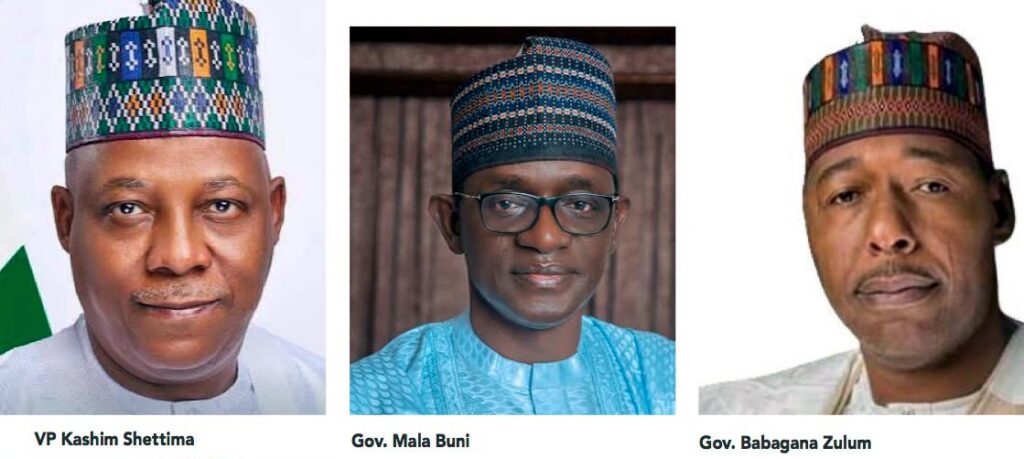
Persistent insecurity and shifting political alliances are expected to play a decisive role in the 2027 general elections across Nigeria’s North-East, with analysts warning that both security challenges and evolving party dynamics will significantly influence campaigns and voting in the region. Nearly two decades after the Boko Haram insurgency began, large parts of Borno State remain volatile, with communities in local government areas such as Guzamala, Marte, Abadam and Kala Balge continuing to face attacks from Boko Haram and the Islamic State West Africa Province (ISWAP). Renewed assaults on military bases and the continued abduction of civilians have further underscored the fragile security situation. The prolonged conflict has disrupted elections in several communities over the years, forcing many displaced residents to vote from safer locations while others remain unable to participate because of security threats. Poor access to liberated communities, often caused by landmines and improvised explosive devices, continues to complicate electoral preparations. Despite the insecurity, state governments have continued providing humanitarian assistance, including housing, healthcare, schools, water projects and relief materials for displaced persons. Political observers believe these interventions have strengthened public support for incumbent governors, particularly in states controlled by the All Progressives Congress (APC). Across the North-East, political developments have reshaped the electoral landscape ahead of 2027. The APC currently controls five of the region’s six states, while Bauchi remains the only state outside its control. The region is also expected to play a key role in the presidential election, with Vice President Kashim Shettima representing the APC and former Vice President Atiku Abubakar contesting under the African Democratic Congress (ADC). In Borno State, Governor Babagana Zulum’s preferred successor, Mustapha Gubio, emerged as the APC’s consensus governorship candidate after the party resolved earlier concerns over possible internal divisions. Analysts believe security will remain the dominant issue for voters in many parts of the state. Yobe is also expected to remain firmly under APC control, although security concerns continue to overshadow preparations for the election, particularly in vulnerable local government areas affected by recurring attacks. Adamawa has witnessed one of the region’s biggest political surprises following a contentious APC governorship primary that exposed divisions within the ruling party. The outcome has intensified competition ahead of the election, with opposition parties seeking to capitalise on the internal disagreements. In Gombe, the APC abandoned an earlier consensus arrangement after protests from party stakeholders, opting instead for direct primaries. The development has made what was initially considered a predictable contest more competitive. Taraba’s political landscape has also changed significantly following Governor Agbu Kefas’ defection from the Peoples Democratic Party (PDP) to the APC. The governor is expected to face a renewed challenge from the PDP, with the contest likely to centre on his performance in office rather than political endorsements. Bauchi is widely regarded as the most competitive state in the region after Governor Bala Mohammed left the PDP for the Allied Peoples’ Movement (APM). With the APC, PDP and other parties fielding strong candidates, analysts expect a closely fought governorship election. Analysts believe three key factors will determine the outcome of the 2027 elections across the North-East; the security situation, the influence of incumbent governors through governance and humanitarian support, and the growing wave of political defections and party realignments. While the APC enters the election cycle with significant political advantages across much of the region, observers say persistent insecurity and changing political alliances mean the outcome remains far from certain.

Elections, Politics

Osun Election: APC Picks Oyewumi for National Campaign Council

A former member of the National Youth Service Corps (NYSC) Governing Board and All Progressives Congress (APC) chieftain in Oyo State, Prince Oyekunle Oyewumi, has been appointed to the party’s National Campaign Council for the upcoming Osun State governorship election. The campaign council is chaired by the Governor of Imo State, Senator Hope Uzodimma, and comprises prominent APC leaders from across the country tasked with coordinating the party’s campaign ahead of the election. Several notable APC figures from Oyo State were also named to the council, including the Minister of Power, Chief Joseph Tegbe; Chairman of the National Revenue Service (NRS), Mr. Zacch Adedeji; former Minister of Youth Development and ex-Presidential Media Aide, Chief Sunday Dare; former Deputy Governor of Oyo State and APC state chairman, Chief Moses Adeyemo; the APC’s 2027 governorship candidate in Oyo State, Senator Sarafadeen Alli; Senator Yunus Akintunde; Mrs. Tolulope Akande-Sadipe; Hon. Wasiu Alli; and Barrister Ibrahim Lawal. Oyewumi, who previously served as Special Adviser to the Oyo State Governor on the Millennium Development Goals (MDGs) and was a member of the APC Presidential Campaign Council during the 2023 general elections, has held several leadership positions at both the national and state levels within the party. In his new role, he will serve on the Committee on Mobilisation of Special Interest (Persons with Disabilities), which is chaired by the Governor of Niger State, Umar Bago, with Aare Durotolu Bankole serving as secretary.