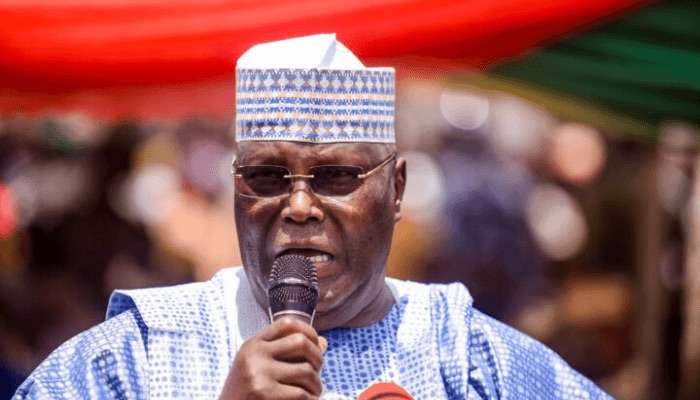
Former Vice President and African Democratic Congress (ADC) presidential candidate, Atiku Abubakar, has dismissed the Presidency’s defence of President Bola Tinubu’s economic policies, arguing that the government’s claims of economic recovery do not reflect the daily realities faced by Nigerians.
In a statement issued through his media aide, Phrank Shaibu, Atiku said that while the government highlights improvements in economic indicators, millions of Nigerians continue to grapple with rising poverty, food insecurity, and worsening living conditions.
According to him, celebrating GDP growth and other macroeconomic figures means little to citizens who are struggling to afford basic necessities. He stressed that economic success should be measured by its impact on ordinary people rather than by statistics alone.
Atiku referenced findings from the International Monetary Fund (IMF), noting that a significant proportion of Nigerians remain below the national poverty line and that millions continue to face food insecurity. While acknowledging that the IMF recognised progress in some reform areas, he pointed out that the organisation also emphasised the need for stronger social protection measures.
He further questioned the government’s continued borrowing despite claims of improved revenue generation, subsidy removal, increased tax collection, and reduced debt servicing pressures. According to him, the real concern is whether borrowed funds have translated into better infrastructure, job creation, and improved living standards.
The former vice president also criticised the administration’s handling of fuel subsidy removal, saying Nigerians accepted the need for reforms but were still waiting to see meaningful improvements in public services. He argued that citizens should not be expected to celebrate sacrifices without visible benefits.
On healthcare, education, and infrastructure, Atiku maintained that isolated projects and programmes are not enough to qualify as comprehensive reforms. He said the government would ultimately be judged by completed projects that lower the cost of doing business, improve access to quality services, and enhance the welfare of citizens.
He concluded by urging the Presidency to focus less on defending its economic record and more on addressing the hardship experienced by Nigerians. According to Atiku, governments are ultimately assessed by their ability to improve people’s lives, create opportunities, strengthen security, and restore hope for the future.