The Click Report

Audio Brief

Listen to the latest top stories and editorial summary.

2026

Elections, Politics

Osun Poll: Adeleke Says He’s Not Feeling Pressure

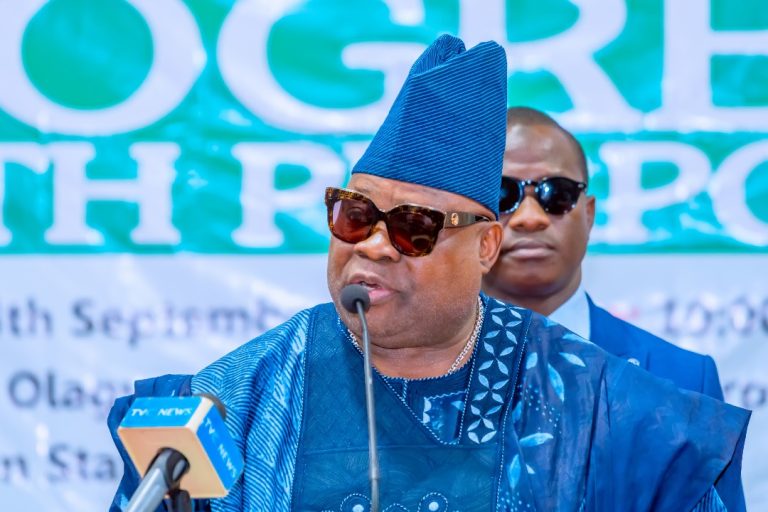
Osun State Governor, Ademola Adeleke, has urged residents to come out in large numbers and vote in the August 15 governorship election, assuring them that their votes would count despite alleged intimidation. The governor made the appeal on Monday in Osogbo, the state capital, shortly after an interactive session with civil servants and pensioners at a programme titled A Day with Mr. Governor, organised by the Office of the Head of Service in collaboration with labour unions and pensioners. Adeleke said he was confident of victory and insisted he was not under pressure as the election approaches, attributing his confidence to the support of the people and his faith in God. He, however, expressed concerns about the neutrality of the police during the election but noted that members of the National Peace Committee had assured him they would engage with the security agency’s leadership following the signing of the Peace Accord by governorship candidates. “I am not under pressure because I have God on my side and the people of Osun are with me. We are fully prepared, and I urge everyone not to be afraid despite any intimidation. This is a democracy, and people should come out on August 15, perform their civic duty and vote because their votes will count,” he said. Adeleke added that although he was not confident in the police’s neutrality, he was hopeful that the intervention of the National Peace Committee would help ensure a peaceful and credible election. Also speaking at the event, the Osun State Chairman of the Nigeria Labour Congress, Christopher Arapasopo, commended the Adeleke administration for introducing policies aimed at improving workers’ welfare and increasing pension payments. Addressing the gathering in Yoruba, Arapasopo urged residents not to be intimidated ahead of the election, saying the state should not return to what he described as the “dark days” under the All Progressives Congress. He noted that pension payments had improved significantly under the current administration, explaining that pensioners who previously received as little as ₦300, ₦1,500 and ₦3,000 now receive higher monthly payments, including ₦10,000 and ₦25,000. Arapasopo also called on workers and residents to support Adeleke’s re-election bid, expressing confidence that the governor would overcome political opposition. Osun voters are expected to head to the polls on Saturday, August 15, to elect the state’s next governor. Fourteen candidates will contest the election, including the incumbent governor, who is seeking another term on the platform of the Accord Party.
Metro

Ogun Communities Receive 52 Boreholes from Philanthropists

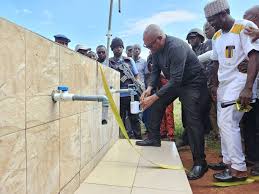
Residents of Ijebu Ode, Odoyanta and Imosan in Ogun State have praised philanthropist Omooba Abimbola Onabanjo and his wife, Olori Abayomi Onabanjo, following the donation of 52 motorised boreholes aimed at improving access to clean water across communities in Ijebuland. The borehole projects, spread across several communities within the Ijebu Ode district, were inaugurated over the weekend as part of the couple’s efforts to tackle water scarcity in rural areas. Speaking during the inauguration, the donors’ representative, Funmilayo Ayanwusi, said the initiative marked the beginning of a broader development plan for Ijebuland. She explained that 12 boreholes have been completed under the first phase of the project, while construction of the remaining 40 is ongoing. According to Ayanwusi, the completed boreholes are located in Mokorede, Aiyegun, Ijasi Oke, Olukokun Isale, Olumuroko, Fusengbuwa, Ita Afin, Fusigboye, Odo Esa, Igbogun/Ilede, Imosan and Odoyanta. She added that each facility is equipped with a power generator, while the donor has also committed to funding maintenance and fuel costs for a specified period. Describing the intervention as only the beginning, Ayanwusi said more developmental projects would follow to position Ijebuland alongside some of the country’s leading urban centres. She noted that the initiative reflects the donor’s commitment to humanitarian service and giving back to society. Chairman of the Olorituns-in-Council in Ijebu Ode, High Chief Adebisi Alausa, described the project as unprecedented, saying it was the first time an individual had provided 52 motorised boreholes for communities within such a short period. He commended the donors for investing personal resources in projects that directly improve residents’ welfare and urged beneficiaries to protect the facilities from vandalism and ensure they are properly maintained. At the inauguration in Odoyanta, the Regent of the community, High Chief Abdullahi Adekoya, described the intervention as exceptional, noting that no individual had previously embarked on a similar project in the area. He also praised the decision to provide free fuel and maintenance for one year, assuring the donors that the community would protect the boreholes and continue to support them with prayers. Chairman of the Odoyanta Central Committee, High Chief Awonuga Titus, also expressed appreciation for the gesture and wished the donors greater success in future endeavours. Residents from the benefiting communities celebrated the commissioning of the projects, describing Onabanjo as a philanthropist committed to improving the lives of his people. The spokesperson for the Ijebu Ode Council of Olorituns, Chief Oluwafemi Kareem Adagojo, thanked the donors for the intervention, saying the community would continue to pray for them because “he who brings water brings life.”

Politics

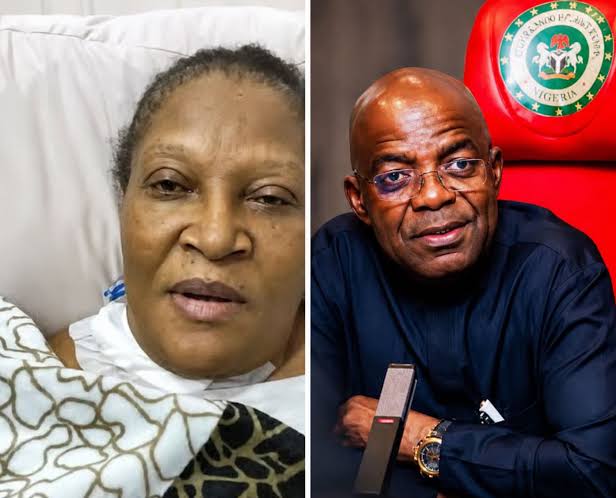
Alex Otti Makes Good on Promise, Covers Ngozi Nwosu’s Medical Bill

Abia State Governor, Alex Otti, has fulfilled his pledge to support veteran Nollywood actress Ngozi Nwosu by paying ₦25 million towards the cost of her ongoing medical treatment. The actress recently appealed for public assistance after revealing that she was battling an undisclosed health condition that requires three surgical procedures. According to Nwosu, she needed ₦30 million to cover the cost of the surgeries. The governor’s Senior Special Assistant on Tourism and Entertainment, J Martins, confirmed that the payment had been made directly to the hospital where the actress is receiving treatment. In a post on X, Martins said Governor Otti approved the payment before the close of business and expressed appreciation for the governor’s support, describing the gesture as an act of kindness that would be remembered. The ₦25 million donation covers the majority of the actress’s medical expenses, leaving a balance of ₦5 million to complete the required treatment. The intervention comes despite Nwosu’s previous criticism of the Abia State Government. In 2024, the actress stated that she would no longer offer free services to the state, alleging that she received no government support during an earlier health challenge in 2012. Her recent appeal for financial assistance attracted widespread attention and renewed calls from fans, colleagues and well-wishers before Governor Otti stepped in to provide financial support. The donation has been widely viewed as a significant contribution towards ensuring the actress receives the medical care she needs.

Health, Politics

Singapore-Based Lab Moves Promising Ebola Vaccine Into Clinical Trials

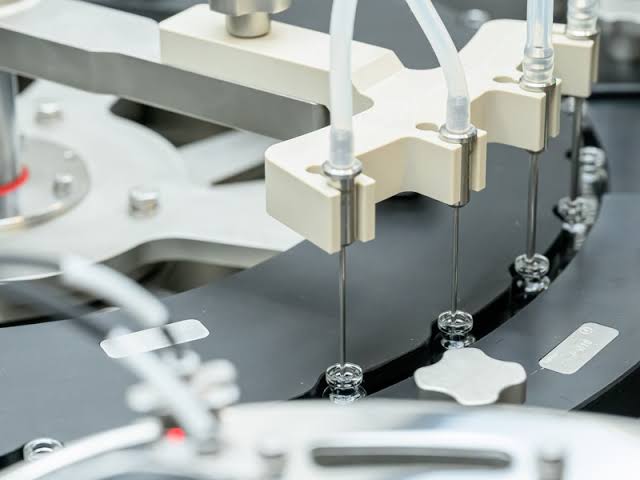
Singapore-based Hilleman Laboratories has announced plans to advance the development of a vaccine candidate targeting the Bundibugyo strain of Ebola, as the Democratic Republic of Congo (DRC) continues to battle one of the deadliest outbreaks of the disease. The Bundibugyo strain currently has no approved vaccine or specific treatment. According to the World Health Organization (WHO), the ongoing outbreak has claimed nearly 1,500 lives, prompting intensified efforts to develop effective medical interventions. WHO has identified a single-dose vaccine built on the recombinant vesicular stomatitis virus (rVSV) platform as the most promising candidate. The technology is the same platform used in Ervebo, the only licensed Ebola vaccine, which provides protection against the Zaire strain of the virus. Hilleman Laboratories said it will move the rVSV Bundibugyo vaccine into the next stage of development to prepare it for human clinical trials. The organisation, a partnership between pharmaceutical company MSD and the Wellcome Trust, said the project is intended to speed up the availability of a vaccine against the emerging Ebola strain. Chief Executive Officer of Hilleman Laboratories, Raman Rao, said the organisation is working to produce vaccine doses for clinical testing as quickly as possible. MSD, which developed and manufactures Ervebo, will provide technical support and expertise throughout the development process. The programme is being funded by the Coalition for Epidemic Preparedness Innovations (CEPI), which is supporting the Bundibugyo vaccine candidate alongside other Ebola vaccine research projects. If the vaccine proves safe and effective during clinical trials and receives regulatory approval, CEPI and Hilleman Laboratories said they aim to ensure affordable and rapid distribution of doses to countries affected by Ebola outbreaks, particularly low- and middle-income nations. Unlike the existing Ervebo vaccine, which requires ultra-cold storage, the new candidate is being designed to remain stable for several months under standard refrigeration. This could significantly improve vaccine storage, transportation and access in remote communities with limited cold-chain infrastructure. WHO experts had earlier indicated that it could take between seven and nine months before the vaccine reaches the clinical trial evaluation stage. The vaccine works by using a modified vesicular stomatitis virus as a carrier to deliver a Bundibugyo Ebola protein into the body, triggering an immune response capable of providing protection against the virus. The announcement follows the recent administration of a separate Bundibugyo vaccine candidate, developed by Oxford University, to its first volunteer as part of an accelerated clinical trial. Health authorities say the current Ebola outbreak in the DRC is the third-largest ever recorded. Since May, more than 3,300 infections and nearly 1,500 deaths have been confirmed, with the northeastern Ituri province remaining the epicentre of the outbreak. Uganda has also reported confirmed infections, including fatalities. Ebola is a severe viral haemorrhagic disease transmitted through direct contact with infected individuals or contaminated bodily fluids, making rapid detection, isolation and vaccination essential in controlling outbreaks.

Business

Global Tensions Create Industrialization Opportunity For Nigeria: Okonjo-Iweala

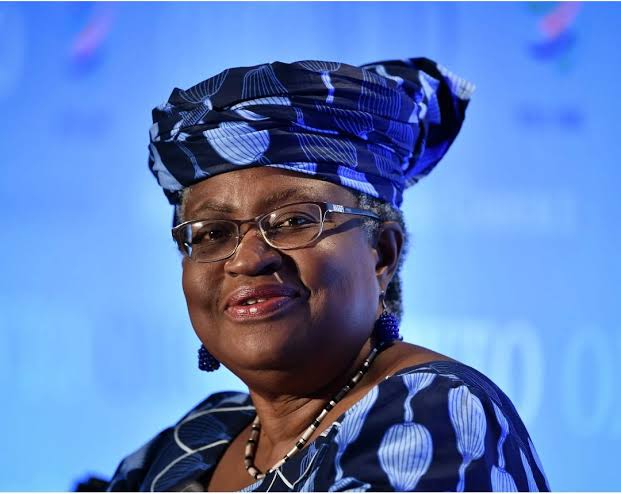
The Director-General of the World Trade Organization (WTO), Ngozi Okonjo-Iweala, has urged Nigeria to take advantage of changing global trade patterns by implementing reforms that will attract investment, boost industrialisation and strengthen its position in global value chains. Speaking during a fireside chat with Central Bank of Nigeria Governor Olayemi Cardoso at the seventh Africa Emerging Markets Forum in Abuja, Okonjo-Iweala said increasing geopolitical tensions and the restructuring of global supply chains present significant opportunities for Nigeria and other African countries. She acknowledged that the global economy is experiencing trade fragmentation and uncertainty but stressed that such challenges also create opportunities for countries willing to improve their competitiveness. According to her, multinational companies are seeking to diversify their manufacturing and sourcing operations following lessons from the COVID-19 pandemic and ongoing geopolitical tensions. She said Africa should position itself as an attractive destination for these investments instead of allowing them to continue flowing mainly to Asia and Latin America. Okonjo-Iweala also highlighted West Africa’s abundant critical mineral resources, noting that the region could build integrated supply chains for renewable energy technologies and electric vehicle batteries through greater regional cooperation. She argued that African countries should work together on processing and manufacturing rather than pursuing isolated national strategies. Despite the opportunities, the WTO chief questioned whether Nigeria is prepared to undertake the governance, infrastructure and regulatory reforms needed to attract long-term investors. She called for the removal of bureaucratic obstacles that discourage businesses and urged policymakers to prioritise efficient leadership and a more investment-friendly environment. On the Federal Government’s economic reforms, Okonjo-Iweala said their success would ultimately depend on whether Nigerians experience tangible improvements in their daily lives. While commending reforms introduced by the Central Bank of Nigeria, she stressed that macroeconomic stability must translate into job creation, business growth and improved living standards to earn public confidence. She also advocated stronger implementation of the African Continental Free Trade Area (AfCFTA), saying increased trade among African countries would reduce dependence on external markets and stimulate regional economic growth. According to her, Africa’s growing middle class and youthful population could become major drivers of development if governments invest in skills development and employment opportunities. Addressing concerns over recent United States tariff measures affecting Nigerian exports, Okonjo-Iweala said the country should focus less on tariff rates and more on expanding and diversifying its export base through value addition and increased production. She further encouraged Nigeria to mobilise domestic capital rather than relying heavily on foreign investment, noting that global financial flows are becoming more constrained. She added that building investor confidence at home is essential, as domestic investment often serves as a signal that attracts international investors. Okonjo-Iweala concluded that Nigeria has the resources and potential to achieve sustained economic growth but emphasised that success will depend on consistent reforms, stronger institutions and policies that encourage investment, industrialisation and regional trade.

Politics

Tinubu Explains Arrest of Families Linked to Oyo Kidnappers

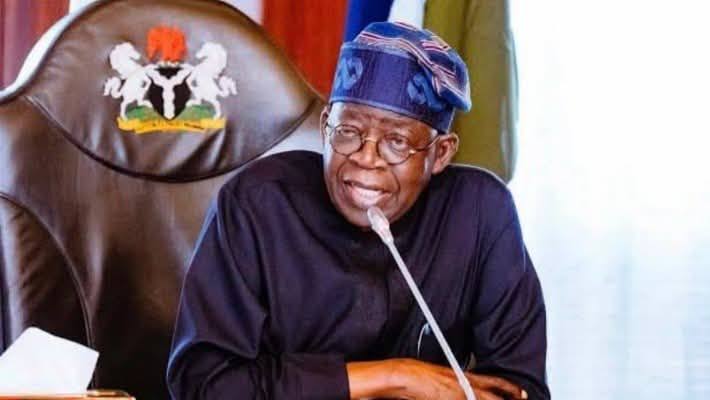
President Bola Tinubu has revealed that the Federal Government refused to negotiate with or pay ransom to the kidnappers who abducted schoolchildren and teachers in Oriire, Oyo State, in May 2026. Instead, security agencies tracked members of the kidnappers’ families and communities as part of efforts that eventually led to the victims’ rescue. Speaking while receiving the Olubadan of Ibadanland, Oba Rashidi Ladoja, and other Oyo traditional rulers at the Presidential Villa in Abuja, Tinubu said the abductors demanded money and the release of detained gang members, but the government rejected the conditions. He noted that the rescue operation, which lasted 56 days, was intelligence-driven and completed without paying ransom. The President explained that the incident prompted his administration to strengthen the country’s security architecture. According to him, the decision to expand the Nigerian Army from eight to 12 divisions was aimed at improving response times and increasing the military’s operational reach against terrorism and banditry. He also reiterated plans to establish state police with safeguards against abuse and to retrain forest guards into frontline security personnel. Tinubu stressed that the government would not bargain with criminals, saying security agencies relied on intelligence and knowledge of the terrain to secure the victims’ release. He praised the armed forces for the successful operation and urged Nigerians to appreciate their efforts. He further called on traditional rulers to encourage residents to remain vigilant and report suspicious activities in their communities, describing intelligence gathering as critical to tackling insecurity. The President also urged state governments to invest more in road infrastructure to improve access for security agencies to remote areas. Speaking on behalf of the delegation, Oba Ladoja thanked the President and the armed forces for securing the release of the abducted pupils and teachers. He also commended the Federal Government’s efforts to rehabilitate major roads across Oyo State, noting that improved infrastructure would enhance development and security. The Oriire abduction occurred on May 15, 2026, when armed men attacked three schools in Oyo State, abducting about 39 pupils and seven teachers. Mathematics teacher Michael Oyedokun was killed during the attack. The victims regained their freedom on July 10 after spending 56 days in captivity, while security forces arrested eight suspects and neutralised others during the operation.

Politics

Osun SSG Regains Freedom After Police Release

The Osun State Police Command has released the Secretary to the Osun State Government (SSG), Teslim Igbalaiye, following his arrest during a police operation in Osogbo. The development was announced on Thursday by Pelumi Olajengbesi, spokesperson for the Imole Campaign Council, which is leading Governor Ademola Adeleke’s re-election campaign. In a statement shared on Facebook, Olajengbesi thanked the Inspector General of Police and the Osun State Commissioner of Police for responding to public concerns and releasing the SSG. He described the arrest as unlawful and praised the police for upholding justice and the rule of law. Olajengbesi also commended Igbalaiye for what he described as his courage and dedication to the people of Osun State. The spokesperson for the Osun State Police Command, Abiodun Ojelabi, also confirmed Igbalaiye’s release. Igbalaiye and five others were arrested on Wednesday after police raided his residence in Osogbo. According to the police, the operation was based on intelligence indicating that suspected criminals were hiding at the location. During the raid, officers reportedly arrested a man identified as Oladele Abiodun, who was said to be on the police watchlist. Other individuals arrested include Akande Taiwo, Adeyemo Lukman, Olaoye Muftau and Aderemi Musliu. Police also recovered ₦4.81 million in cash, two Permanent Voter Cards, a voter register covering Wards 1 to 15, a Dynabook laptop, a photocopy machine and a printer. The items have been taken into police custody for forensic examination and further investigation. Ojelabi stated that the recovered cash and voter register raised concerns about possible electoral offences. He said investigators were examining allegations that could include vote buying under Section 121 of the Electoral Act 2022, criminal conspiracy, harbouring a wanted suspect and any other offences that may emerge during the investigation. Before the SSG’s release, Speaker of the Osun State House of Assembly, Adewale Egbedun, alleged that the arrest was politically motivated. He claimed the Commissioner of Police ordered Igbalaiye’s arrest after an incident at an Independent National Electoral Commission stakeholders’ meeting where the commissioner was reportedly booed by attendees and noticed the SSG laughing. Egbedun further alleged that Igbalaiye was informed that police officers were waiting outside his residence before the raid. The police, however, maintained that the operation was intelligence-driven and conducted as part of an ongoing investigation into alleged criminal activities and possible electoral offences.

Business, Economy

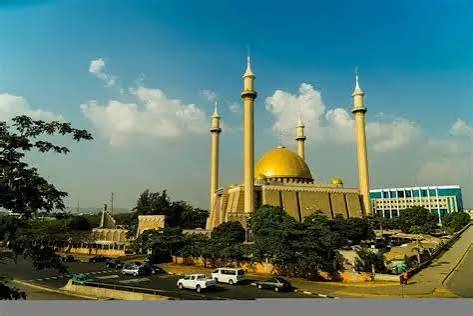
2026 BUDGET: AGENCIES SET ASIDE N400BN FOR MOSQUES, PALACES, HALLS

At least 78 Ministries, Departments and Agencies (MDAs) of the Federal Government have allocated nearly ₦400 billion in the 2026 budget for the construction and rehabilitation of community halls, mosques, traditional rulers’ palaces, village market squares and civic centres. An analysis of the budget shows that more than half of the allocation is earmarked for projects considered non-developmental, including the distribution of grains, motorcycles and tricycles, sponsorship of community thrift societies, and the construction of museums and mini-stadia. The affected MDAs include the Defence Headquarters, Nigerian Air Force, Nigerian Defence Academy, Technical Aid Corps, Federal Ministry of Information and National Orientation, Federal Ministry of Industry, Trade and Investment, Office of the Auditor-General for the Federation, National Building and Road Research Institute (NBRRI), National Productivity Centre and several research institutions. Economic analysts have criticised the spending pattern, arguing that the projects do not reflect Nigeria’s most pressing development priorities given the country’s current fiscal challenges. They contend that allocating hundreds of billions of naira to numerous small-scale projects reduces funding available for critical sectors such as healthcare, education, security, roads, power and other infrastructure capable of delivering broader economic benefits. The experts also warned that many of the projects have little connection to the statutory responsibilities of the agencies executing them, raising concerns about transparency, accountability and fiscal discipline. For example, the National Building and Road Research Institute’s 2026 budget includes the construction of village halls in Anambra State, an international market in Jigawa State, traditional rulers’ palaces in Rivers and Kogi states, market stalls in Borno State, a multipurpose hall in Kaduna State and the renovation of mosques in Kebbi, Ekiti and Jigawa states. The combined value of these projects exceeds ₦4 billion, despite having no direct link to the institute’s mandate. Similarly, the National Productivity Centre’s budget provides for projects such as support for Ijaw musicians, the construction of an Emir’s palace in Yobe State, an econometrics laboratory in Ekiti State, the refurbishment of traditional rulers’ palaces in Ogun State and the construction of an abattoir in Gombe State. The National Mathematical Centre is also expected to finance the construction of a Sociology Department building at Ahmadu Bello University, Zaria, a project many observers say falls outside its core responsibilities. Consultant economist and former central banker Chukwunonso Ihuma blamed the situation on weak legislative oversight, alleging that lawmakers often insert projects into agency budgets that have little developmental value. He called for a return to zero-based budgeting, where every expenditure must be justified from scratch, and urged the Budget Office of the Federation to reject projects that do not align with national priorities or the mandates of the affected agencies. According to Ihuma, projects such as markets, traditional rulers’ palaces and civic centres are typically the responsibility of state and local governments rather than federal agencies. President Bola Tinubu signed the ₦68.32 trillion 2026 Appropriation Act into law in April and also extended the implementation period for the 2025 budget to June 30, 2026. The Senate later approved a further extension of the capital component to September 30, 2026, to allow ongoing projects to be completed. The Nigerian Institute of Social and Economic Research (NISER) said effective implementation of the budget would require stronger fiscal coordination, improved revenue generation and structural reforms to address inflation, exchange rate volatility and economic inequality. Chief Executive Officer of the Centre for the Promotion of Private Enterprise (CPPE), Dr Muda Yusuf, said the government’s decision to discontinue reliance on the Central Bank’s Ways and Means financing had created additional fiscal pressure, making revenue generation more challenging. He also questioned the realism of the 2026 budget assumptions, which project ₦36.87 trillion in revenue, oil production of 1.84 million barrels per day, an oil benchmark of $75 per barrel, GDP growth of between 4.28 and 4.68 per cent, and ₦15.81 trillion for debt servicing. Media strategist Umar Sani noted that while lawmakers sometimes include constituency projects in the budget, the executive does not always implement them, leading to disagreements over budget execution. He added that previous administrations had rejected appropriation bills containing projects they considered unnecessary, stressing the need for more disciplined budgeting that prioritises national development.

Foreign Affairs

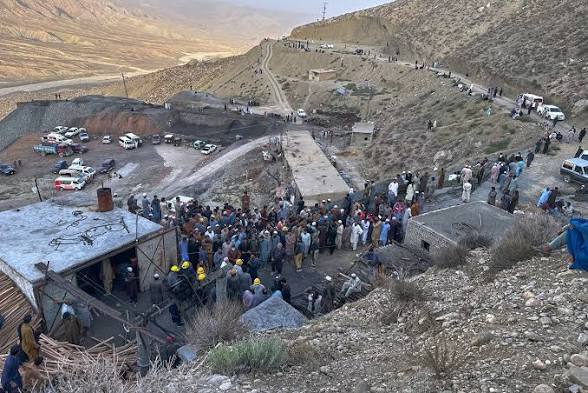
34 Workers Die in Pakistan Coal Mine Blast

At least 34 workers have been confirmed dead following a methane gas explosion at a coal mine in Pakistan’s southwestern Balochistan province, authorities said. The blast occurred on Thursday at a mine near the provincial capital, triggering a rescue operation that continued into the night. In a statement issued early Friday, the Balochistan Provincial Disaster Management Authority said rescue teams had recovered 34 bodies from the site. “According to information received from the deployed teams, 34 dead bodies have been recovered,” the agency said. It added that rescue efforts were still ongoing to locate and recover other miners believed to be trapped underground, although officials did not disclose the total number of workers in the mine at the time of the explosion. Authorities said the explosion was caused by a buildup of methane gas, a common hazard in underground coal mining. Mining accidents are frequent in Pakistan, particularly in Balochistan, where poor safety standards and hazardous working conditions have contributed to recurring fatalities. Balochistan, Pakistan’s largest province by land area, remains the country’s least developed region, with persistent challenges in education, employment and economic development despite its abundant natural resources.

Sports

Amusan Wins Women’s 100m Hurdles Bronze at Commonwealth Games

Nigeria’s Tobi Amusan secured the bronze medal in the women’s 100m hurdles at the 2026 Commonwealth Games in Glasgow, ending her reign as the event’s champion. Amusan, who won back-to-back gold medals at the Gold Coast 2018 and Birmingham 2022 Games, was aiming to become the first woman to win three consecutive Commonwealth titles in the event. The 29-year-old finished third in the final with a time of 12.60 seconds. The Bahamas’ Devynne Charlton claimed the gold medal after clocking 12.33 seconds, while Megan Simmonds of Jamaica won silver in 12.41 seconds. Earlier in the competition, Amusan had raised hopes of defending her title after producing an impressive performance in the heats, winning her race in a wind-assisted 12.19 seconds. Although the time was not eligible for record purposes because of excessive wind assistance, it was the fastest performance ever recorded at the Commonwealth Games under any conditions. Amusan, however, was unable to reproduce that form in the final as Charlton and Simmonds finished ahead of her. Despite missing out on a historic third consecutive Commonwealth Games title, the Nigerian sprint hurdler extended her remarkable record at the Games by securing a third straight podium finish in the women’s 100m hurdles.