Nigeria has failed the United States’ minimum fiscal transparency requirements for the second consecutive year, with the US Department of State saying the country made no significant progress in improving financial management and public access to fiscal information in 2025.
The finding was contained in the 2026 Fiscal Transparency Report released by the US State Department on Tuesday. The report assessed 139 governments and the Palestinian Authority, with 73 meeting the minimum requirements. Of the 67 that failed, 14 recorded significant progress, while 53 countries, including Nigeria, were classified as making no progress.
The assessment was based on information gathered by the US Embassy in Abuja, federal agencies, international organisations and civil society groups between January 1 and December 31, 2025.
The report criticised Nigeria’s budget process, saying the country’s budget documents did not provide a sufficiently complete picture of government revenues and expenditures. It also said actual revenue and spending did not reasonably correspond with figures contained in the enacted budget.
The US further faulted the government for failing to publish its executive budget proposal within a reasonable period before the start of the fiscal year, limiting opportunities for public scrutiny and debate.
Nigeria’s Office of the Auditor-General of the Federation also came under criticism. According to the report, the supreme audit institution did not meet international standards for independence and failed to publish substantive audit reports within the required period.
The report also raised concerns about public procurement, saying accessible information on government contracts was not sufficiently available. It noted that although Nigeria had laws governing the award of natural-resource contracts and licences, key details about concessions, including the geographic area, duration and companies awarded contracts, were not made public after decisions were taken.
Despite the criticisms, the US acknowledged some areas of progress. Nigeria was credited with making its enacted budget and end-of-year report publicly accessible, while information on government debt obligations, including major debts owed by state-owned enterprises, was also available. The country’s sovereign wealth fund was similarly recognised for having a sound legal framework and disclosing its funding sources and general withdrawal policy.
The State Department recommended several measures to improve Nigeria’s fiscal transparency. These include publishing the executive budget proposal on time, providing detailed revenue and expenditure breakdowns, ensuring actual spending corresponds with approved budgets, strengthening the independence of the Auditor-General’s office, publishing audit reports and making public procurement contract information easily accessible.
Reacting to the report, the Presidency said fiscal transparency, accountability and effective public financial management remained priorities of the Federal Government.
Special Adviser to the President on Media and Public Communication, Sunday Dare, said the findings should be viewed as an external benchmark rather than a comprehensive assessment of all fiscal reforms underway in Nigeria.
He said the government was continuing reforms through initiatives such as Open Treasury, public budget documentation, debt disclosures and digital procurement systems, with the aim of improving the accessibility, reliability and timeliness of financial information.
BudgIT, however, agreed with several of the report’s findings. Its Country Director, Vahyala Kwaga, said while Nigeria’s revenue and expenditure composition was generally clear, budget implementation reports had remained inadequate.
Kwaga also criticised the lack of independence of the Auditor-General’s office and raised concerns about the absence of publicly accessible procurement information and recent debt sustainability analyses.
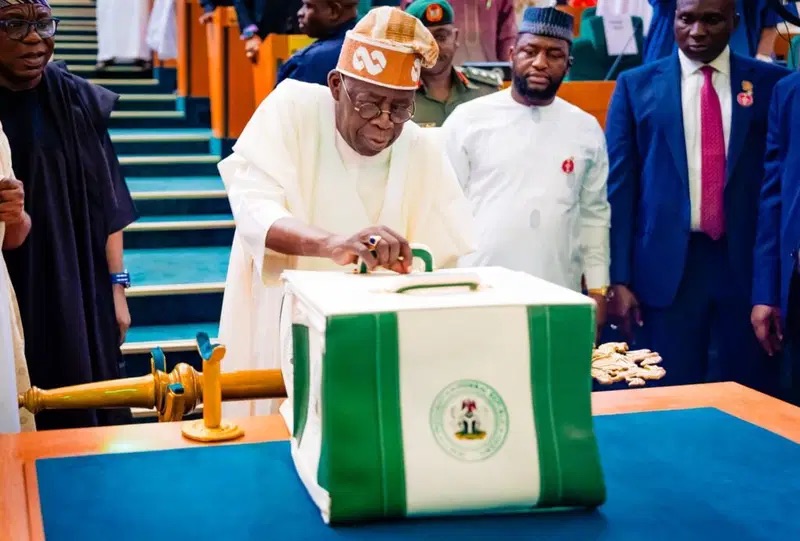
The US report comes amid growing concerns over Nigeria’s budget implementation and the simultaneous operation of the 2024, 2025 and 2026 budgets. It also follows criticism of several 2026 budget allocations, including constituency projects, religious infrastructure and large lump-sum provisions described as special presidential interventions and miscellaneous expenditure.
Globally, the US report found that major economies including China, Egypt, Saudi Arabia, Pakistan and Ukraine also failed to meet the minimum fiscal transparency standards. Countries that made significant progress included Cameroon, Chad, Liberia, Niger, Senegal, Bangladesh and Ethiopia.
As Nigeria prepares for its 2027 budget cycle, the latest report is expected to increase pressure on the Federal Government to improve public access to financial information, strengthen oversight institutions and ensure greater accountability in the management of public resources.