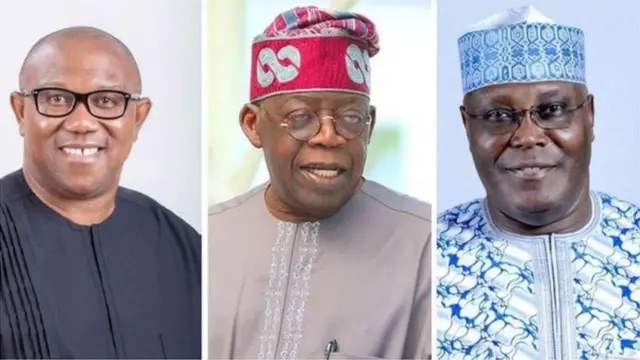
Campaigns for the 2027 general elections have officially begun, with concerns mounting that political contests could be overshadowed by hate speech, ethnic and religious profiling, misinformation, personal attacks and violence.
The presidential and National Assembly campaigns began on August 19, 2026, and are scheduled to run until January 15, 2027, a day before the elections. Governorship and State House of Assembly campaigns are expected to begin on September 9 and end on February 5, 2027.
The concerns have intensified following the signing of the National Peace Accord by some presidential candidates, who pledged to pursue peaceful and issue-based campaigns.
President Bola Tinubu, Atiku Abubakar and Peter Obi are widely regarded as major contenders in the presidential race, although Tinubu and Atiku were absent from the Peace Accord signing, while Obi attended.
Political analysts, civil society organisations, lawyers and other stakeholders have urged parties and candidates to focus on issues such as the economy, insecurity, unemployment, education and healthcare instead of personal attacks and identity-based politics.
They also expressed concern over the growing use of social media to spread misinformation, manipulated videos, inflammatory statements and hate speech, warning that such content could heighten tensions and encourage violence.
Stakeholders further called on political parties, security agencies, regulators and the media to ensure that campaign activities complied with electoral laws and the Peace Accord.
They urged Nigerians to demand clear policy proposals from candidates and reject attempts to exploit ethnic, religious or regional divisions for political gain, stressing that the 2027 elections should be a contest of ideas rather than identities or violence.