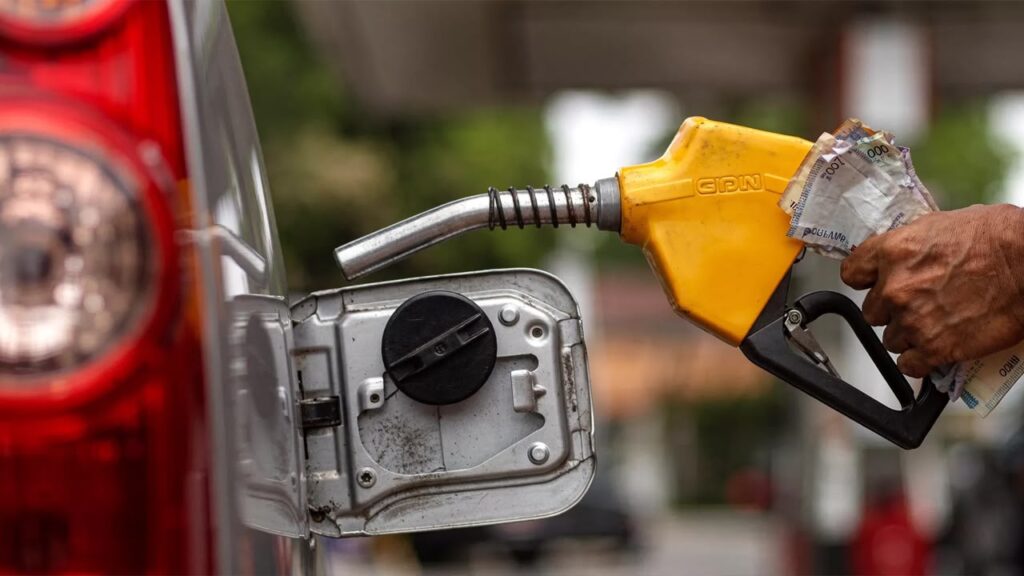
Oil marketers in Nigeria are preparing to increase the pump prices of petroleum products following a surge in international crude oil prices above $100 per barrel.
The rise is being driven by escalating tensions in the Middle East and fears of disruptions to global oil supplies, raising concerns about higher fuel, transport and production costs in Nigeria.
The OPEC Basket, which includes Nigeria’s Bonny Light, climbed above $100 per barrel from about $95, representing an increase of roughly 5.2 per cent. Brent crude also rose to $100.60 per barrel, while Murban crude increased to $118.30.
Lagos State Chairman of the Petroleum Retailers Outlets Owners Association of Nigeria, Joseph Ehimen, said marketers would review pump prices after their next purchases, depending on prevailing market conditions and associated costs.
However, Nigeria may not fully benefit from higher crude prices because its oil production remains below target. OPEC data showed that the country’s crude output fell from 1.51 million barrels per day in June to 1.44 million barrels per day in July.
Economists warned that sustained high crude prices could increase the cost of diesel, transportation, freight and other energy-dependent activities, potentially pushing up the prices of goods and services.
Despite the international price surge, petrol prices in Lagos remained largely between N1,266 and N1,300 per litre on Wednesday. Dangote Refinery sold at N1,266 per litre, while other depots recorded varying prices.
The Association of Small Business Owners of Nigeria described the development as a mixed blessing, saying higher oil prices could boost government revenue and foreign exchange earnings but would also increase operating costs for businesses and reduce household purchasing power.
Industry experts urged the Federal Government to use any additional oil revenue to strengthen domestic refining, improve public transportation, support vulnerable households and businesses, and reduce the impact of rising energy costs.
They also advised the government to avoid returning to broad petrol subsidies, instead focusing on targeted measures that can cushion Nigerians while strengthening the economy.