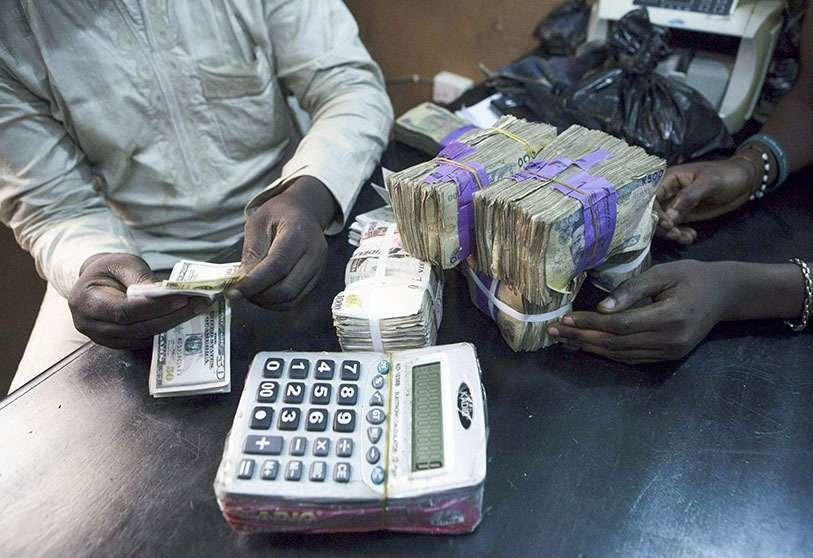
Nigeria continues to suffer significant economic losses from illicit financial flows (IFFs), with an estimated $17.8 billion leaving the country annually, according to recent findings presented at a capacity-building workshop organised by the Africa Network for Environment and Economic Justice (ANEEJ).
The organisation revealed that Nigeria lost between $90 billion and $108 billion through illicit financial flows between 2020 and 2025. Data from the Federal Government, the African Union (AU), and the United Nations Economic Commission for Africa (UNECA) indicate that Africa loses about $88 billion each year to illicit financial flows, with Nigeria accounting for roughly 20 per cent of those losses.
Major drivers of the illicit outflows include crude oil theft and illegal bunkering, trade mispricing through inflated import invoices and undervalued exports, tax evasion, profit shifting by multinational companies, corruption, money laundering, and illegal cross-border financial transfers.
These practices deprive the country of much-needed revenue for critical sectors such as education, healthcare, and infrastructure while weakening public institutions and discouraging investment.
The International Monetary Fund (IMF) has repeatedly expressed concern over the scale of illicit financial flows from Nigeria. IMF Managing Director Kristalina Georgieva urged Nigerian authorities to strengthen efforts to trace illicit funds and eliminate fiscal leakages, warning that the growing trend continues to worsen the country’s revenue challenges.
Financial intelligence agencies have also identified Nigeria as a key transit point for illicit financial transactions. According to Interpol Vice President Garba Umar, hundreds of thousands of dollars are allegedly laundered out of Nigeria every hour through various illegal channels, posing a threat to national security and economic stability.
Analysts say the proceeds from illicit financial flows often finance organised crime and other unlawful activities, making it essential for authorities to strengthen enforcement measures.
Reports also indicate that Nigeria’s banking sector has played a significant role in facilitating illicit financial transactions over the years. Experts have therefore called on the Central Bank of Nigeria (CBN) to tighten regulatory oversight and close loopholes that enable illegal fund transfers, while urging the Economic and Financial Crimes Commission (EFCC) to intensify investigations and collaborate with international counterparts to track and recover stolen assets.
In addition, experts have highlighted the role of offshore tax havens, shell companies, anonymous trusts, and other secret financial structures in facilitating illicit financial flows. Previous reports by Global Financial Integrity (GFI) and the Nigeria Extractive Industries Transparency Initiative (NEITI) have similarly raised concerns about capital flight and money laundering involving Nigerian institutions.
Stakeholders say sustained enforcement, stronger financial regulations, international cooperation, and the prosecution of offenders remain critical to reducing illicit financial flows and protecting Nigeria’s economic resources.