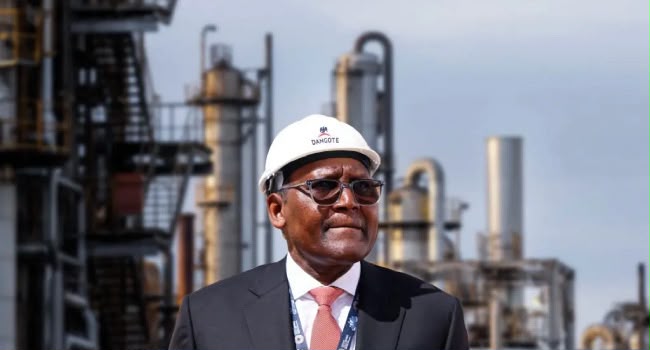
Petroleum marketers have slowed fuel purchases amid uncertainty over the Dangote Petroleum Refinery’s decision to adopt a dollar-based pricing model for petrol, raising concerns about possible disruptions in supply and higher pump prices.
Industry operators said they were taking a cautious approach as they awaited clarity on the refinery’s new pricing template and the cost of imported petroleum products before committing to large-scale purchases.
The National Publicity Secretary of the Independent Petroleum Marketers Association of Nigeria (IPMAN), Chinedu Ukadike, said marketers were reluctant to buy large volumes because they could not predict whether petrol prices would rise or fall after making purchases.
According to him, existing fuel stocks were purchased at prices between N1,250 and N1,300 per litre, while uncertainty over new crude supplies and imported products had made it difficult for marketers to determine future pricing.
In the South-West, IPMAN said the situation had forced some marketers to suspend fresh purchases, while a number of filling stations temporarily closed after exhausting their stock. The association, however, maintained that there was no fuel scarcity and urged motorists not to engage in panic buying.
Despite the concerns, a spokesperson for the Dangote Group dismissed reports that the refinery had suspended fuel loading, insisting that petroleum products were still being loaded at the Lekki facility and describing claims to the contrary as “fake news.”
Meanwhile, discussions between the Federal Government and the Dangote Petroleum Refinery over the new pricing model are ongoing. According to a senior government official, the dispute centres on the continued issuance of fuel import licences and the volume of crude oil supplied to the refinery in naira.
The Federal Competition and Consumer Protection Commission (FCCPC) reiterated that the naira remains the only legal tender for domestic commercial transactions and expressed concern that recent declines in global crude oil prices have yet to translate into lower pump prices for Nigerian consumers.